
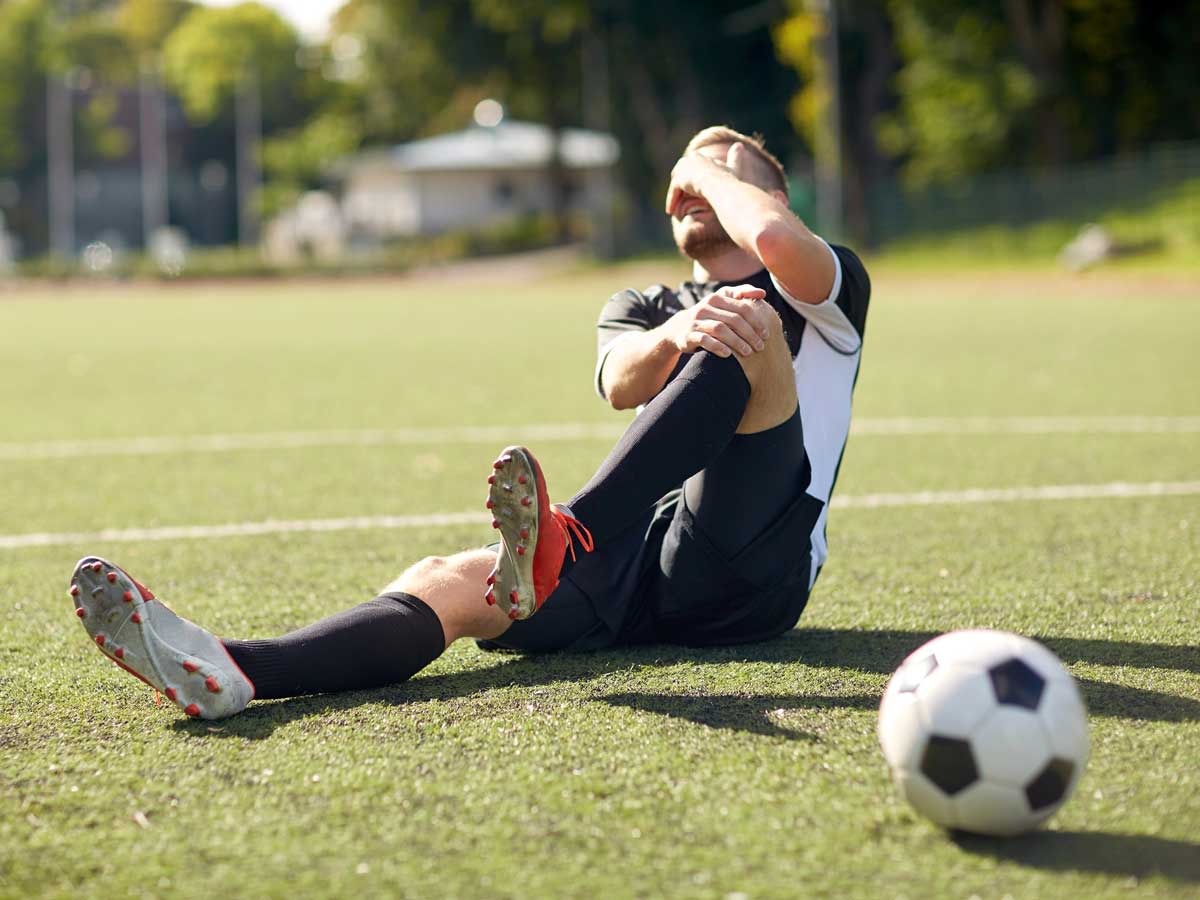
Participation in sports supports physical health, but it can also result in a variety of injuries. Sports injuries range from sudden acute incidents to conditions caused by repetitive strain. Knowing the most frequent injuries, their causes, and effective prevention strategies can help support safe and active participation.
What Are Sports Injuries?
A sports injury is physical harm resulting from athletic activity, exercise, or sports participation. Causes can include accidents, improper technique, unsuitable equipment, or insufficient warm-up. Sports injuries are commonly broken down by how they occur:
- Acute Injuries: These occur suddenly and include sprained ankles after a twist or fractured bones following direct impact.
- Overuse Injuries: These emerge over time as a result of repeated stress. Continued motion may cause microtrauma to tissues.
- Chronic Injuries: These persist or worsen over time and may originate from an untreated acute injury or ongoing overuse.
Injuries can involve soft tissues, like muscles, tendons, and ligaments, or affect joints and bones. Common sports injuries include:
- Sprains: Stretching or tearing of ligaments.
- Strains: Stretching or tearing of muscles or tendons.
- Fractures: Breaks or cracks in bones, often caused by impact or falls.
- Dislocations: Joints forced out of their normal position.
- Tendinitis: Inflammation of tendons, often due to repetitive activity.
- Stress fractures: Tiny bone cracks, commonly seen in weight-bearing bones of the legs and feet, due to repetitive force.
- Shin splints: Pain along the shinbone, frequently associated with running or impact sports.
How Can They Be Prevented?
Strategies to help reduce the risk of injury include participating in structured training programs and prioritizing self-care. Gradual progression in intensity, frequency, or duration of exercise helps prepare tissues for increased load. Warm-up routines can raise muscle temperature and prepare the body for activity, while cool-down periods encourage gradual recovery.
Varying exercise types, or cross-training, reduces repetitive strain by distributing stress across different muscle groups. Using proper technique prevents unnecessary tissue stress. Selecting footwear that matches foot type and activity, and choosing training surfaces that limit repetitive impact, also supports injury prevention.
Integrating scheduled rest days into training routines supports tissue repair and reduces the risk of overuse injuries. Hydration and balanced nutrition may provide resources for tissue recovery. Recognizing early signs of discomfort, such as mild, persistent pain or fatigue, and modifying activity can prevent escalation into more serious injury.
How Are They Treated?
Treatment approaches depend on the type and severity of the injury. Many minor injuries may improve with conservative supportive measures. Briefly resting an affected area and modifying activities to avoid painful movements are common initial steps. Ice may be applied to manage discomfort and swelling, while elastic bandages or limb elevation can help reduce swelling for specific injuries. A gradual return to activity, once symptoms have improved, promotes healing and supports the safe restoration of function. When discomfort, swelling, or reduced function persist, consulting a medical professional is recommended for an accurate evaluation and guidance.
Speak Further With a Doctor
Individual experiences may vary depending on the activity type, personal health, or prior injuries. For advice tailored to specific circumstances, including the assessment of potential injuries or the development of personalized prevention programs, consulting a healthcare provider is recommended. A medical professional can guide safe participation in physical activities and address the management of injuries.