
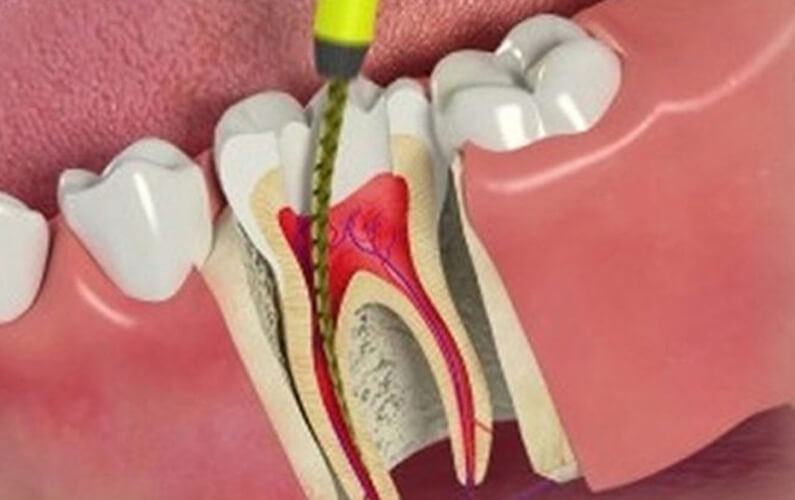
When a child experiences significant tooth decay or a dental injury, a dentist may recommend a procedure to save the tooth. A pediatric root canal is a treatment that addresses issues within the soft pulp of the tooth. This procedure aims to remove damaged tissue, clean the area, and protect the tooth from further problems. Here is more information about this type of procedure:
Fixes Baby and Permanent Teeth
A pediatric root canal treats problems in both primary and permanent teeth. When decay reaches the pulp of a primary tooth, a pulpotomy may be performed. This procedure removes the infected pulp from the tooth’s crown, and a medicated filling is then placed. A pulpectomy may be needed for more extensive decay, which involves removing pulp from both the crown and the root.
These treatments differ slightly for permanent teeth. One procedure encourages the root to continue forming if the tooth is not fully mature. Another option preserves living pulp tissue so the root can fully develop. The specific approach depends on the tooth’s maturity and the extent of the damage.
Saving a primary tooth provides a guide for the permanent tooth that will replace it. The baby tooth holds the space open in the jaw, so the permanent tooth has a clear path to erupt correctly. Losing a baby tooth too early may cause alignment issues for the permanent teeth as they emerge.
Provides Child With Comfort
A damaged or infected tooth pulp typically causes pain and can lead to further dental problems. This procedure relieves pain by removing the source of the infection or inflammation. After removing the affected tissue and cleaning the area, your child will feel relief.
The pediatric root canal process is designed to keep your child comfortable. The dentist uses local anesthesia to completely numb the area, ensuring your child does not feel pain during the procedure. Post-treatment discomfort may be minimal and manageable, especially when patients follow simple care instructions provided by the dental office. Focusing on comfort helps create a more positive dental experience for your child.
Uses Different Materials
Dentists use different materials to fill the space inside the tooth after the pulp is removed. The material choice depends on whether the tooth is primary or permanent, and this determines the appropriate selection. For primary teeth, dentists use a resorbable material that the body can absorb as the permanent tooth begins to erupt. Standard materials for baby teeth include:
- Zinc oxide-eugenol
- Pastes
- Calcium hydroxide
For permanent teeth, dentists might use non-resorbable materials. This rubber-like substance fills the root canals permanently, and it provides a stable seal to protect the tooth. This material is not designed to be absorbed by the body, as it provides long-term support for permanent teeth.
Schedule a Pediatric Root Canal
After a comprehensive examination, a dentist decides the appropriate course of action for your child’s tooth. The procedure restores the tooth’s health and supports your child’s long-term oral development. Pediatric root canals serve as standard treatments to preserve a natural tooth affected by deep decay or injury. Contact an endodontist to schedule a consultation and learn more about this procedure.