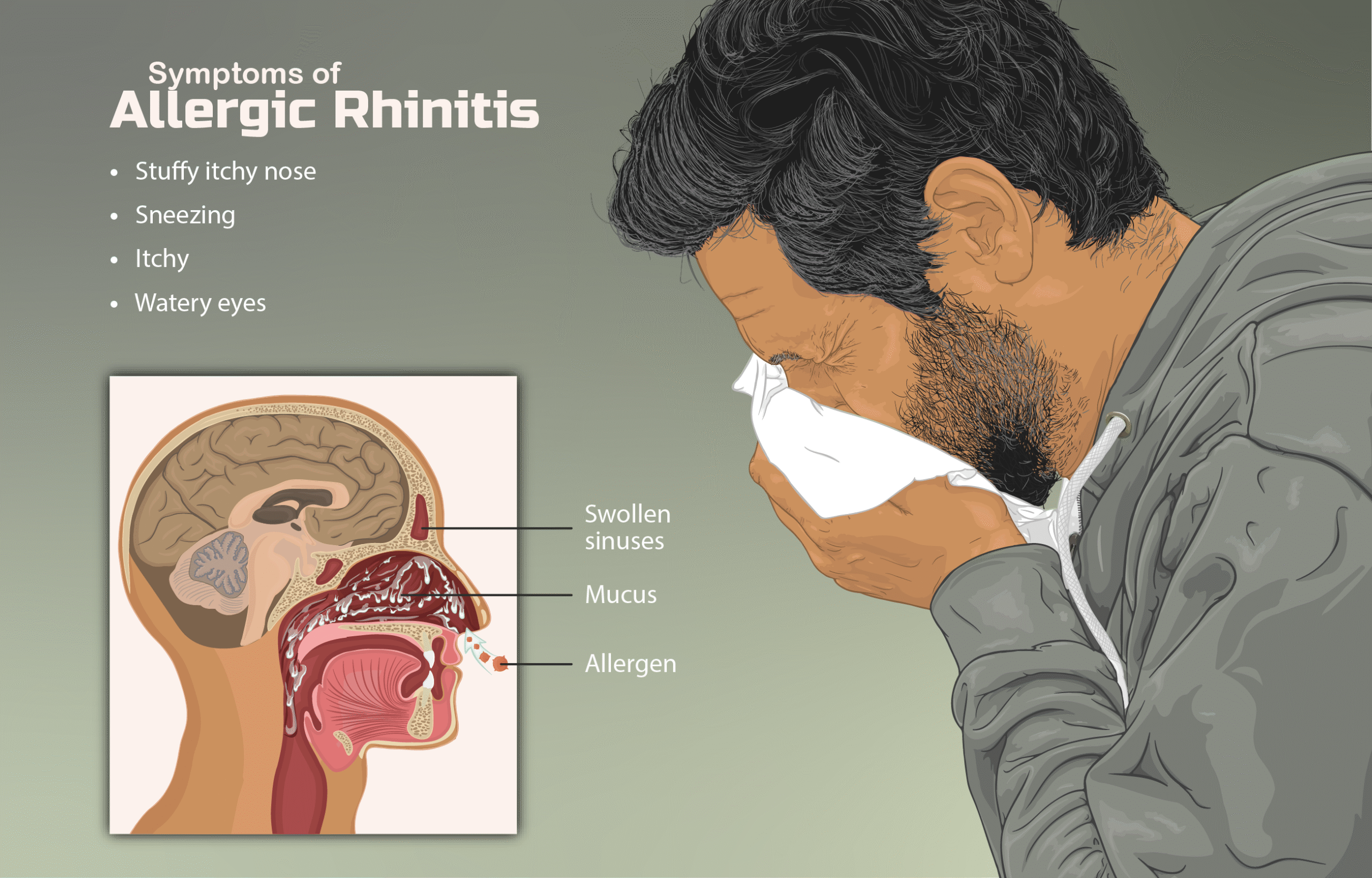

Living with allergy symptoms can be frustrating. Identifying the specific triggers for your reactions is the first step toward managing them. Allergy testing provides clear information about what substances, or allergens, may be causing your symptoms. Understanding the different types of tests available can help you feel more prepared for your appointment and more confident in your results.
How Do Skin Tests Work?
Skin tests are a common method for allergy testing. A small amount of a suspected allergen is applied to your skin. If you are allergic, a reaction will typically appear at the site. The test is performed in a controlled medical setting to manage any reactions that may occur.
There are several types of skin tests. The scratch or prick test involves placing a drop of the allergen on your skin, usually the forearm or back. A provider then lightly pricks the skin’s surface, allowing the allergen to enter. Another method, the intradermal test, involves injecting a tiny amount of the allergen just beneath the skin’s surface. Results for these tests usually appear within 15 to 20 minutes, allowing for a quick initial assessment.
Which Blood Tests Help?
Blood tests offer another way to identify allergies. They are often used when skin tests cannot be performed, perhaps due to a skin condition or the use of certain medications. This type of allergy testing measures the presence of specific antibodies in your blood called immunoglobulin E (IgE).
Your body produces IgE antibodies in response to allergens. A blood sample is taken and sent to a lab for analysis. The lab checks for specific IgE antibodies related to different allergens. Common blood tests include:
- Total IgE test
- Specific IgE test
Results from blood tests take longer to process than skin tests, usually a few days. The findings can help your provider understand your body’s response to specific substances. Your provider will review the results with you and explain what they mean for your health.
What Do Results Show?
The results of your allergy tests help identify which substances may trigger a reaction. Your provider will analyze these results, along with your medical history and symptoms, to create a personalized management plan.
Skin Test Results
For skin tests, results are based on the visible reaction on your skin. A raised, red bump (called a wheal) is measured, and larger wheals generally indicate stronger sensitivities.
Blood Test Results
Blood test results measure IgE antibody levels. These are usually reported with a numerical value and reference range, showing the level of reactivity to specific allergens.
What Do Results Mean?
A positive result suggests a potential sensitivity but doesn’t guarantee a reaction every time you encounter the allergen. A negative result means it’s unlikely you’re allergic to that substance. Your provider will use these findings to guide your allergy management.
Schedule Allergy Testing
Understanding your allergy test results is a key part of managing your health. This information empowers you and your provider to make informed decisions about your daily life. A clear diagnosis can guide choices about your diet, home environment, and overall wellness plan. If you are experiencing symptoms and want to identify the cause, scheduling an appointment for allergy testing can provide the answers you need. Contact your healthcare provider to discuss your symptoms and determine if testing is the right next step for you.