Taking care of your dental implants is similar to caring for your natural teeth. A consistent oral hygiene routine helps maintain both your implants and your overall oral health. Developing good habits can support the longevity of your dental work and keep your smile looking its best. This guide offers practical steps for maintaining your implants effectively.
How Should You Clean Dental Implants?
Proper cleaning of your dental implants is key to their longevity and your oral health. Choosing the proper tools and techniques will help maintain the appearance and structure of the implant.
- Choose the right toothbrush: Use a soft-bristle toothbrush. Both manual and electric toothbrushes are suitable; make sure the bristles are gentle.
- Clean the implant crown: Brush all sides of your implant crown thoroughly.
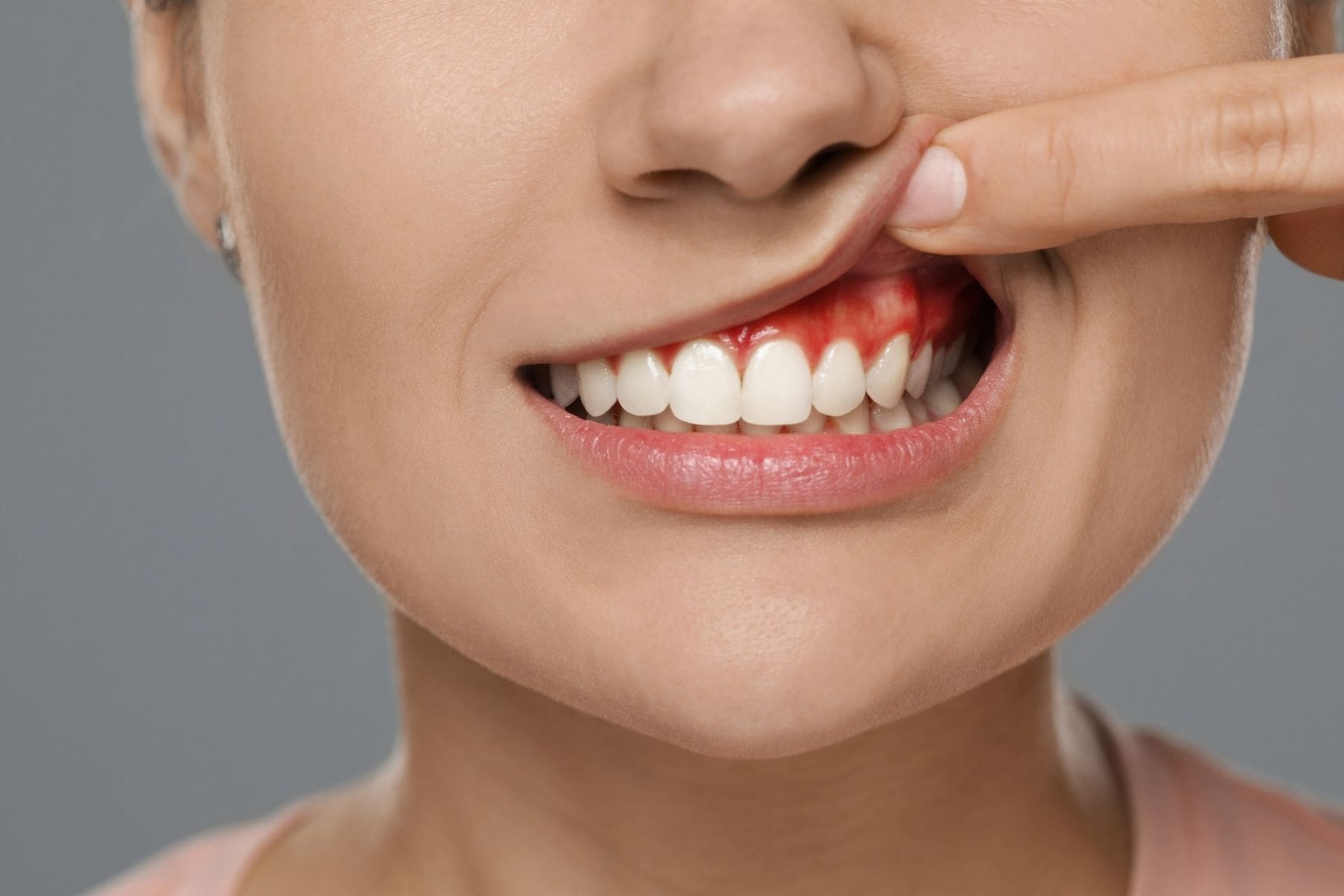
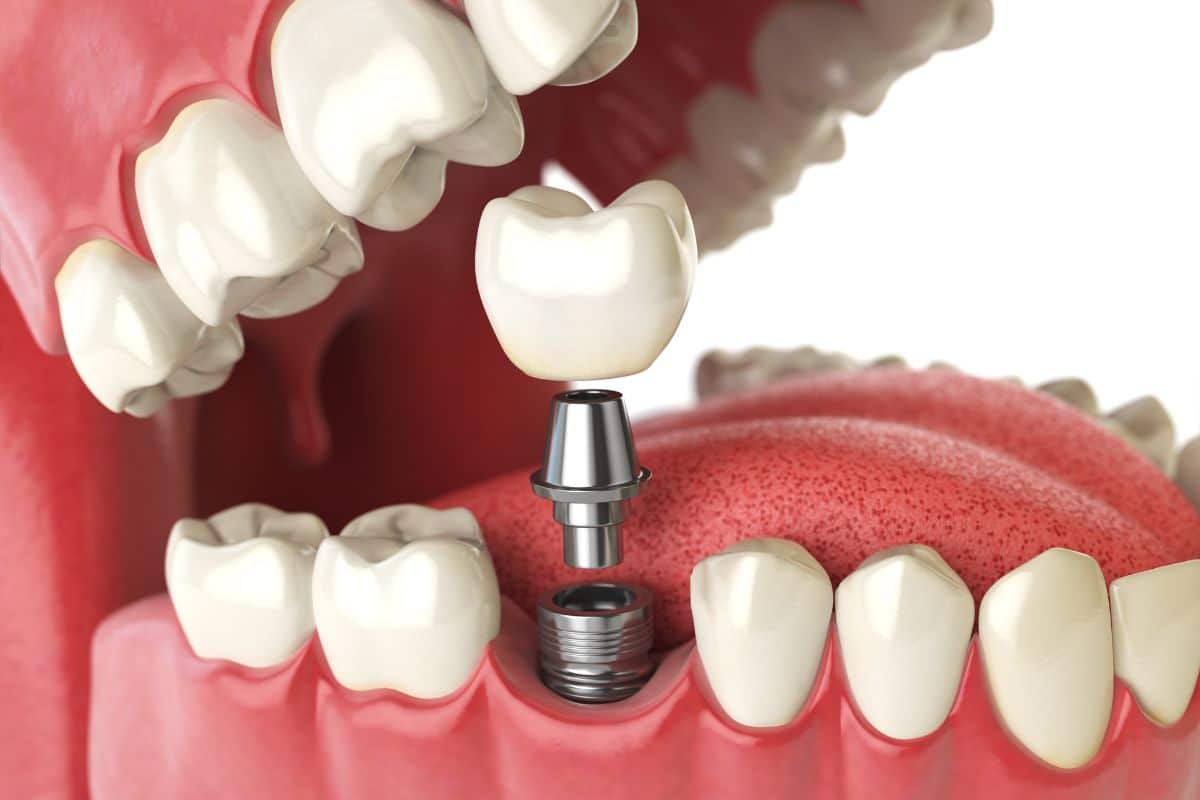
- Focus on the gum line: Gently brush around the implant post where it meets your gum line. This helps remove plaque buildup that can gather in this area.
- Use a non-abrasive toothpaste: Opt for a toothpaste that is gentle on the surface of your implant to protect it from scratches.
- Utilize specialty brushes: For those tricky, hard-to-reach spots around your implants, use interdental brushes or proxy brushes. These small brushes are designed to fit between your teeth and around the implant posts, for a thorough clean.
- Clean twice daily: Follow this careful and thorough cleaning routine twice a day. This consistent care is key for maintaining the health of the gum tissue surrounding your implants and preventing potential issues.
By following this routine, you can maintain better oral health and prolong the lifespan of your dental implants.
How Often Should You Floss?
Flossing is a key part of your implant care routine. You will want to floss at least once a day to remove plaque and food particles that your toothbrush cannot reach. This practice helps protect the health of the gums surrounding your dental implants. Unwaxed tape or implant-specific floss can be effective for cleaning around the abutments.
When flossing, be gentle around the base of the implant. You can wrap the floss around the implant post in a “C” shape and move it up and down along the side of the implant and just below the gum line. A water flosser is another tool that can help clean around implants by using a stream of water to flush out debris from between teeth and around the gum line.
What Should You Avoid?
Certain habits and products can be harmful to your dental implants. It is beneficial to be mindful of what you expose your implants to. Making some adjustments can help protect your investment for years to come.
Here are a few things to steer clear of:
- Hard or Sticky Foods: Chewing on ice, hard candies, or very sticky foods can put excessive pressure on your implants. This pressure could potentially damage the crown or the implant itself over time.
- Abrasive Cleaning Products: Toothpastes containing harsh abrasives, such as those with baking soda, can scratch the surface of your implant crowns. Using stiff-bristle toothbrushes can also cause damage to both the implant and your gums.
- Tobacco and Smoking: Using tobacco products can affect your oral health and may impact the tissue around your implants. It can interfere with the healing process and the long-term stability of the implant.
- Using Teeth as Tools: Avoid using your teeth or implants to open packages, cut tape, or hold objects. These actions can create unnatural forces on the implant and restoration, leading to potential fractures or complications.
By avoiding these items and habits, you support the structure and appearance of your dental implants. A gentle approach to both your diet and your oral care routine goes a long way.
Consult a Dentist
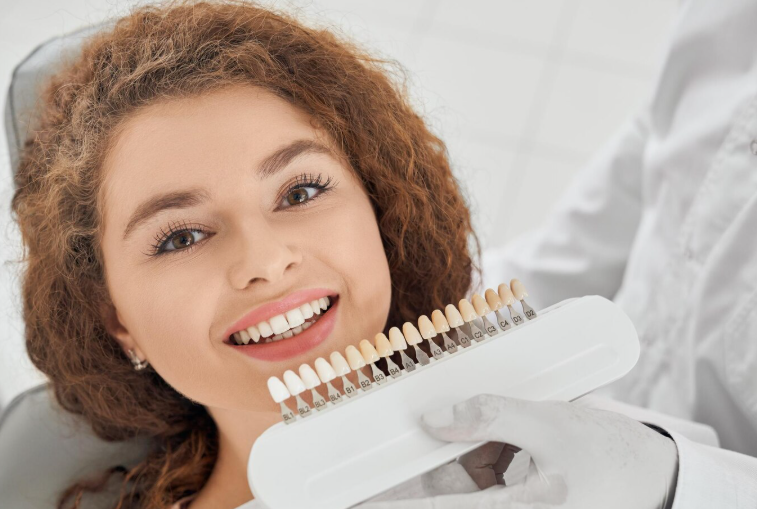
Regular dental checkups are necessary for maintaining your dental implants. During these visits, your dentist can professionally clean your implants and thoroughly check the health of your gums and surrounding teeth. They use specialized instruments designed to clean implants without causing any damage, and they’ll assess the implant’s stability and the restoration’s condition. If you have questions about your cleaning routine or notice any changes, don’t hesitate to contact your dental professional for personalized advice and to schedule your next checkup.