
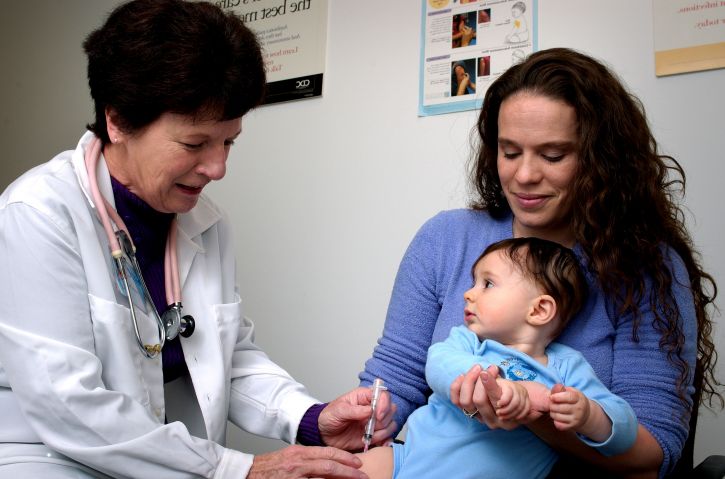
Immunizations are a component of routine pediatrics care. They work by introducing a deactivated or weakened form of a germ to the body, which helps the immune system learn to recognize and fight it off. This process supports a child’s overall health and well-being, allowing them to grow and develop. Understanding the schedule and purpose of these immunizations can help you navigate your child’s health.
How Do Immunizations Support Development?
Keeping up with recommended vaccinations helps maintain a child’s health, allowing them to participate fully in activities that foster growth. When children are healthy, they are more likely to attend school, play with others, and engage in learning opportunities. This consistent engagement supports cognitive, social, and physical development. Immunizations contribute to a child’s developmental path in several ways:
- Preventing Illness-Related Absences: Vaccinations reduce the likelihood of contracting certain illnesses. This means fewer sick days, allowing for uninterrupted attendance in school and childcare, which is foundational for learning and social skill development.
- Supporting Neurological Health: Some vaccine-preventable diseases can have serious complications, including those that affect the brain and nervous system. Following the immunization schedule helps protect a child’s neurological development from these potential disruptions.
- Enabling Social Interaction: Community activities and group play are a large part of childhood. Immunizations help protect children, making it safer for them to interact with peers, which aids in developing social and emotional skills.
By helping to prevent diseases, immunizations support a child’s ability to thrive. A healthy child can explore their environment, learn new skills, and build relationships without the interruption of preventable sickness. Your pediatrics team can provide a personalized schedule for your child.
Which Vaccines Are Recommended?
Vaccine recommendations are based on age, as a child’s immune system develops over time. The schedule is designed to provide protection when children are most vulnerable.
Infants and Toddlers
From birth to two years, infants and toddlers receive vaccines to protect against more than a dozen diseases. These include diphtheria, tetanus, and whooping cough (DTaP), polio (IPV), measles, mumps, and rubella (MMR), and chickenpox (varicella). These are typically administered during routine pediatrics checkups.
Preschoolers
Between the ages of four and six, children often receive booster shots. These doses strengthen the protection from earlier vaccines. Boosters for DTaP, IPV, MMR, and varicella are common during these years to prepare them for school entry.
School-Age Children
As children get older, additional vaccines are recommended. Around ages 11-12, preteens typically receive vaccines for human papillomavirus (HPV) and a tetanus, diphtheria, and whooping cough booster (Tdap). An annual flu shot is also recommended for all children six months and older.
How Do Parents Stay Informed?
Staying informed about immunizations is manageable with the right resources. Your pediatrics provider is your primary source for accurate, up-to-date information tailored to your child’s health needs. They can answer your questions and provide a clear schedule.
Official public health websites, such as the Centers for Disease Control and Prevention (CDC), offer extensive and reliable information for parents. These resources provide detailed vaccine schedules, information sheets about each vaccine, and answers to common questions. Local health departments and community health programs also host informational sessions and provide materials to help parents make informed decisions.
Consult Your Pediatrics Provider
Your child’s health and development are unique, and their healthcare plan should reflect that. Your pediatrics provider can offer personalized guidance based on your child’s specific health history and needs. Maintaining an open dialogue with them helps you stay on track with recommended immunizations and address any concerns you may have. Schedule regular appointments to discuss your child’s immunization schedule and overall developmental progress. A partnership with your provider is a key part of supporting your child’s long-term health.