Stress testing provides you and your healthcare provider with a clearer view of your heart’s health. It offers a structured, monitored approach to understanding your heart under different levels of strain. Providers use stress testing to determine the cause of various symptoms; these include chest pain, shortness of breath, and dizziness. Here’s information about this diagnostic procedure and how it helps evaluate cardiac function:
Defining a Cardiac Stress Test
A stress test assesses how your heart works during increased activity. The procedure involves either physical exercise or medicine that mimics the effects of exercise. Both options prompt your heart to beat faster and stronger for a period. As your activity level increases, healthcare professionals monitor your heart’s electrical signals. They check your blood pressure, and they look for changes in rhythm or physical responses. These insights form the foundation for many future decisions about your health plan.
Outlining the Typical Testing Process
Many people undergo an exercise-based stress test; this usually involves walking on a treadmill or riding a stationary bike. The following are some steps you might experience during the procedure:
- Sticky electrodes are attached to your chest, and these connect to an EKG machine that records heart rhythms.
- As you start the exercise, the pace and incline increase gradually to raise your heart rate.
- Healthcare professionals observe your responses throughout and watch for any physical signs.
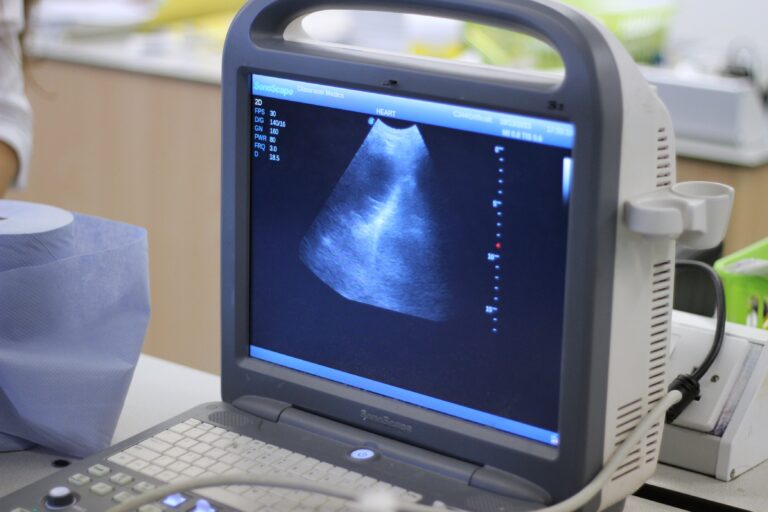
If physical exercise is not feasible, IV-administered medications can produce similar effects on your heart, offering a helpful alternative for gathering key information without physical activity. Some specialists also provide nuclear stress testing; this procedure uses a small amount of tracer to capture detailed images of blood flow to the heart during rest and activity. These additional methods help your care team identify circulation problems or hidden signs of heart disease more accurately.
Identifying the Key Purposes
Stress testing provides a way to evaluate several fundamental aspects of heart function. It helps your doctor with the following:
- Highlighting Blood Flow Patterns: Stress tests reveal if your heart receives enough blood during exertion.
- Spotting Irregular Rhythms: Certain heart rhythm changes only appear when you’re active and may not be detectable at rest.
- Directing Health Strategies: Information gathered helps clinicians refine their recommendations and outline next steps.
- Identifying Safe Activity Levels: Determining how much exercise is suitable for you supports a safer and more effective approach to physical fitness.
Navigating the Test
Advance preparation supports a more effective testing process. Wear comfortable clothes and direct any logistical questions to your provider ahead of the appointment. Monitoring physical changes during the test is fundamental; clear communication with the staff promotes an efficient and safe experience. If you notice chest pain, dizziness, or severe fatigue, report these observations promptly to support safety.
Learn More About Stress Testing
Stress tests offer a helpful, evidence-based way to evaluate how your heart responds to increased demand. They assess blood flow, observe heart rhythms, and clarify the body’s response to activity; this provides fundamental guidance for future action. The procedure can also help diagnose conditions like heart failure and coronary artery disease. If your healthcare provider recommends a stress test, use the experience to gather information about your heart’s capabilities. Consult a cardiac specialist for additional guidance and to learn more about stress testing.Stress testing provides you and your healthcare provider with a clearer view of your heart’s health. It offers a structured, monitored approach to understanding your heart under different levels of strain. Providers use stress testing to determine the cause of various symptoms; these include chest pain, shortness of breath, and dizziness. Here’s information about this diagnostic procedure and how it helps evaluate cardiac function:
Defining a Cardiac Stress Test
A stress test assesses how your heart works during increased activity. The procedure involves either physical exercise or medicine that mimics the effects of exercise. Both options prompt your heart to beat faster and stronger for a period. As your activity level increases, healthcare professionals monitor your heart’s electrical signals. They check your blood pressure, and they look for changes in rhythm or physical responses. These insights form the foundation for many future decisions about your health plan.
Outlining the Typical Testing Process
Many people undergo an exercise-based stress test; this usually involves walking on a treadmill or riding a stationary bike. The following are some steps you might experience during the procedure:
- Sticky electrodes are attached to your chest, and these connect to an EKG machine that records heart rhythms.
- As you start the exercise, the pace and incline increase gradually to raise your heart rate.
- Healthcare professionals observe your responses throughout and watch for any physical signs.
If physical exercise is not feasible, IV-administered medications can produce similar effects on your heart, offering a helpful alternative for gathering key information without physical activity. Some specialists also provide nuclear stress testing; this procedure uses a small amount of tracer to capture detailed images of blood flow to the heart during rest and activity. These additional methods help your care team identify circulation problems or hidden signs of heart disease more accurately.
Identifying the Key Purposes
Stress testing provides a way to evaluate several fundamental aspects of heart function. It helps your doctor with the following:
- Highlighting Blood Flow Patterns: Stress tests reveal if your heart receives enough blood during exertion.
- Spotting Irregular Rhythms: Certain heart rhythm changes only appear when you’re active and may not be detectable at rest.
- Directing Health Strategies: Information gathered helps clinicians refine their recommendations and outline next steps.
- Identifying Safe Activity Levels: Determining how much exercise is suitable for you supports a safer and more effective approach to physical fitness.
Navigating the Test
Advance preparation supports a more effective testing process. Wear comfortable clothes and direct any logistical questions to your provider ahead of the appointment. Monitoring physical changes during the test is fundamental; clear communication with the staff promotes an efficient and safe experience. If you notice chest pain, dizziness, or severe fatigue, report these observations promptly to support safety.
Learn More About Stress Testing
Stress tests offer a helpful, evidence-based way to evaluate how your heart responds to increased demand. They assess blood flow, observe heart rhythms, and clarify the body’s response to activity; this provides fundamental guidance for future action. The procedure can also help diagnose conditions like heart failure and coronary artery disease. If your healthcare provider recommends a stress test, use the experience to gather information about your heart’s capabilities. Consult a cardiac specialist for additional guidance and to learn more about stress testing.