
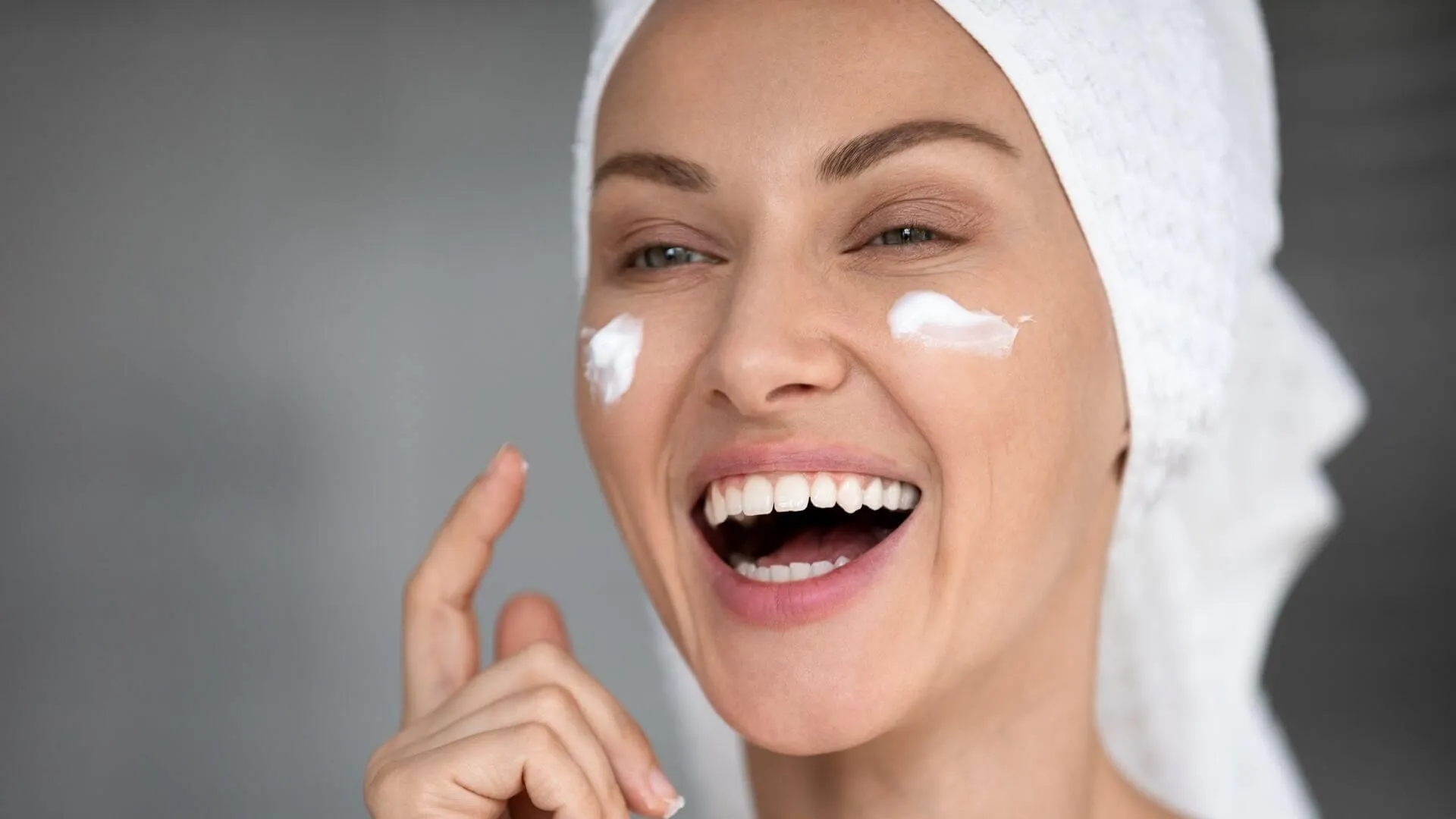
Facials do more than create a relaxing spa moment; they play a key role in keeping your skin healthy and balanced. Facials prevent common concerns like dullness, congestion, and uneven texture by cleansing deeply, removing buildup, and supporting your skin’s natural renewal process. Here’s how regular facials support long-term skin health:
Why Do Regular Facials Matter?
Regular facials are fundamental for skin health because they provide deep cleaning and professional-grade exfoliation that is difficult to achieve at home. Environmental factors such as pollution and sun exposure can damage skin over time; a consistent facial routine helps manage these effects. A skincare professional can also identify and address specific skin concerns during these sessions, resulting in effective and personalized care.
What Benefits Do Facials Offer?
Facials are more than just a relaxing experience; they provide numerous benefits for your skin’s health and appearance. The key benefits you get from this skincare treatment include:
- Deep Cleansing: Facials thoroughly cleanse the skin and remove pore buildup, helping to prevent acne and blemishes.
- Improved Circulation: The massage techniques used during a facial stimulate blood flow, which increases circulation and delivers more oxygen and nutrients to skin cells.
- Professional Exfoliation: Removes dead skin cells, unclogs pores, and reveals a brighter, smoother complexion.
- Targeted Problem Solving: A professional can customize the face treatment to address specific issues, such as fine lines, dark spots, or dehydration.
- Stress Reduction: The calming environment and gentle massage of a facial can lower stress levels, and reduced stress can positively affect your skin’s overall health.
These benefits work together to promote a clear and hydrated complexion, making facials a valuable part of any skincare regimen.
What Happens During a Facial?
A professional facial follows a structured process to help your skin receive the maximum benefit from the skin treatment. While the exact steps can vary, a typical session includes the key stages below:
- Cleansing: The treatment begins with a thorough cleanse to remove makeup and surface impurities, preparing the skin for deeper treatment.
- Exfoliation: Next, dead skin cells are removed through a physical scrub or a chemical peel.
- Extraction: This step involves carefully removing blackheads and whiteheads to clear clogged pores.
- Massage: A facial massage follows to stimulate circulation, relax facial muscles, and aid product absorption.
- Mask and Hydration: A mask tailored to your skin type is applied, followed by serums, moisturizers, and sunscreen to hydrate and protect the skin.
Each step builds upon the last, resulting in a comprehensive treatment that leaves skin refreshed.
How Often Should You Get Facials?
Integrating facials into your routine requires a bit of planning. Contemplate scheduling a facial every four to six weeks, as this aligns with the skin’s natural regeneration cycle. This also allows your esthetician to track your skin’s progress. It’s a good practice to book your next appointment before you leave the spa. Discuss your at-home skincare regimen with your provider to make sure it complements the professional treatments you receive.
Book Your Facial Appointment Today
Regular facials play a fundamental role in maintaining healthy skin by providing professional-grade cleansing, exfoliation, and nourishment. This skincare treatment offers benefits that compound over time, making consistent appointments helpful for long-term results. To incorporate facials into your routine, contact a trusted med spa near you to book your appointment with a licensed professional today.