
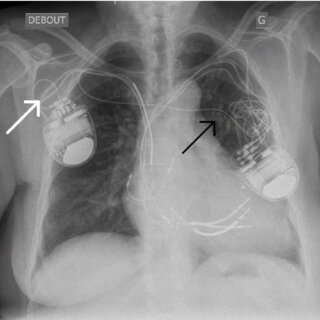
A pacemaker is a small device placed in the chest or abdomen, and it helps manage abnormal heart rhythms. Doctors may recommend a pacemaker for various heart conditions, including atrial fibrillation, which is an irregular or rapid heart rate. As the device sends electrical pulses to the heart, it helps the heart beat at a more normal rate and rhythm. Here is more information about the role of pacemakers in treating atrial fibrillation:
Stimulating Heart
A pacemaker continuously monitors your heart’s activity. When it detects a rhythm that is too slow or irregular, it sends a small electrical signal to the heart muscle. The device is programmed to your specific needs, so it provides support only when necessary. This targeted stimulation helps maintain a steady heartbeat.
The pacemaker consists of a pulse generator and leads. The pulse generator contains the battery and the device’s computer. Leads are thin, insulated wires that carry the electrical signals from the pulse generator to your heart. These components work together to help manage your heart’s rhythm, making sure it functions properly.
When your heart beats normally on its own, the pacemaker remains inactive. The device acts as a safety net, and it only intervenes when your natural heartbeat falls out of the programmed range. This function helps stabilize your heart’s electrical system.
Regulating Heartbeats
Atrial fibrillation can cause the upper chambers of the heart to beat chaotically. A pacemaker cannot directly stop atrial fibrillation. Instead, it is typically part of a broader treatment plan. After a procedure to manage the rapid heart signals, a pacemaker is implanted. The pacemaker then sets a regular rhythm for the heart’s lower chambers.
This combination of treatments addresses both rapid and slow heart rates. The ablation procedure handles the fast rhythms of atrial fibrillation. Then the pacemaker provides a steady, consistent heartbeat, preventing it from slowing too much. This dual approach helps manage the complex rhythm issues associated with the condition.
Assisting With Medications
Certain medications used to treat atrial fibrillation may slow the heart rate down. A pacemaker prevents the heart rate from dropping too low. The device provides a reliable backup, allowing you to take the medication you need for atrial fibrillation. It helps balance your treatment plan.
Your doctor programs the pacemaker to a minimum heart rate. It will deliver a pulse if your heart rate falls below this set level. This feature is particularly useful for people who experience symptoms from a slow heartbeat, such as:
- Dizziness
- Fatigue
- Shortness of breath
The pacemaker makes sure your heart maintains a safe minimum rate. It complements other treatments by managing their side effects on heart rhythm.
Restoring Abilities
By regulating your heartbeat, a pacemaker may help you perform daily tasks. A more stable heart rhythm may allow for increased physical activity. You might find it easier to engage in hobbies and routines that were once difficult. This improvement comes from the heart pumping blood more efficiently.
Get a Pacemaker
A pacemaker can be used as part of a comprehensive treatment plan for conditions like atrial fibrillation. When needed, the device monitors the heart and sends electrical signals. Discuss your heart health with a medical professional to understand your options. Contact your healthcare provider to schedule an appointment and learn more.