Ophthalmologists play a key role in protecting your long-term vision through comprehensive preventative eye care. These specialists look for early signs of eye diseases and recommend treatments that help prevent future problems. Regular checkups with ophthalmologists can detect issues long before they affect your daily life, making early care an integral part of maintaining healthy eyes. Here’s how ophthalmologists support preventive eye care:
Understanding Preventive Eye Care
Many eye diseases, like glaucoma and diabetic retinopathy, develop slowly and do not show symptoms in their early stages. By the time symptoms appear, significant and irreversible vision loss may have already occurred. Routine visits to an ophthalmologist enable early detection and treatment of these conditions, which can slow their progression and protect your vision. An eye doctor can identify the early signs of disease through comprehensive exams and offer timely interventions. A thorough eye exam can reveal signs of other health problems, such as diabetes and high blood pressure.
Checking Eyes During Exams
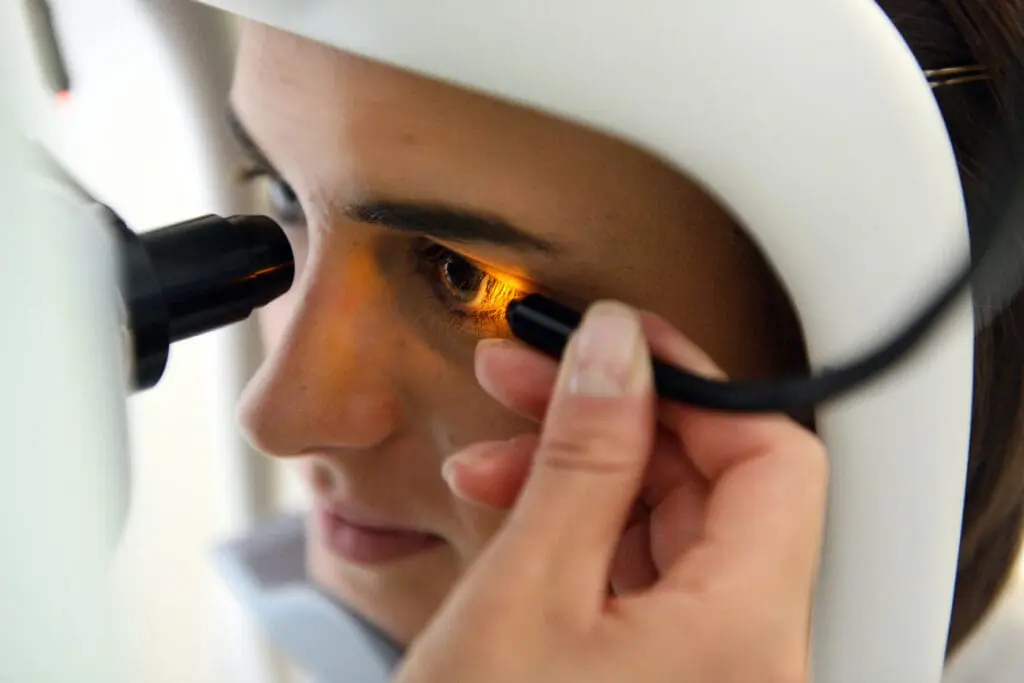
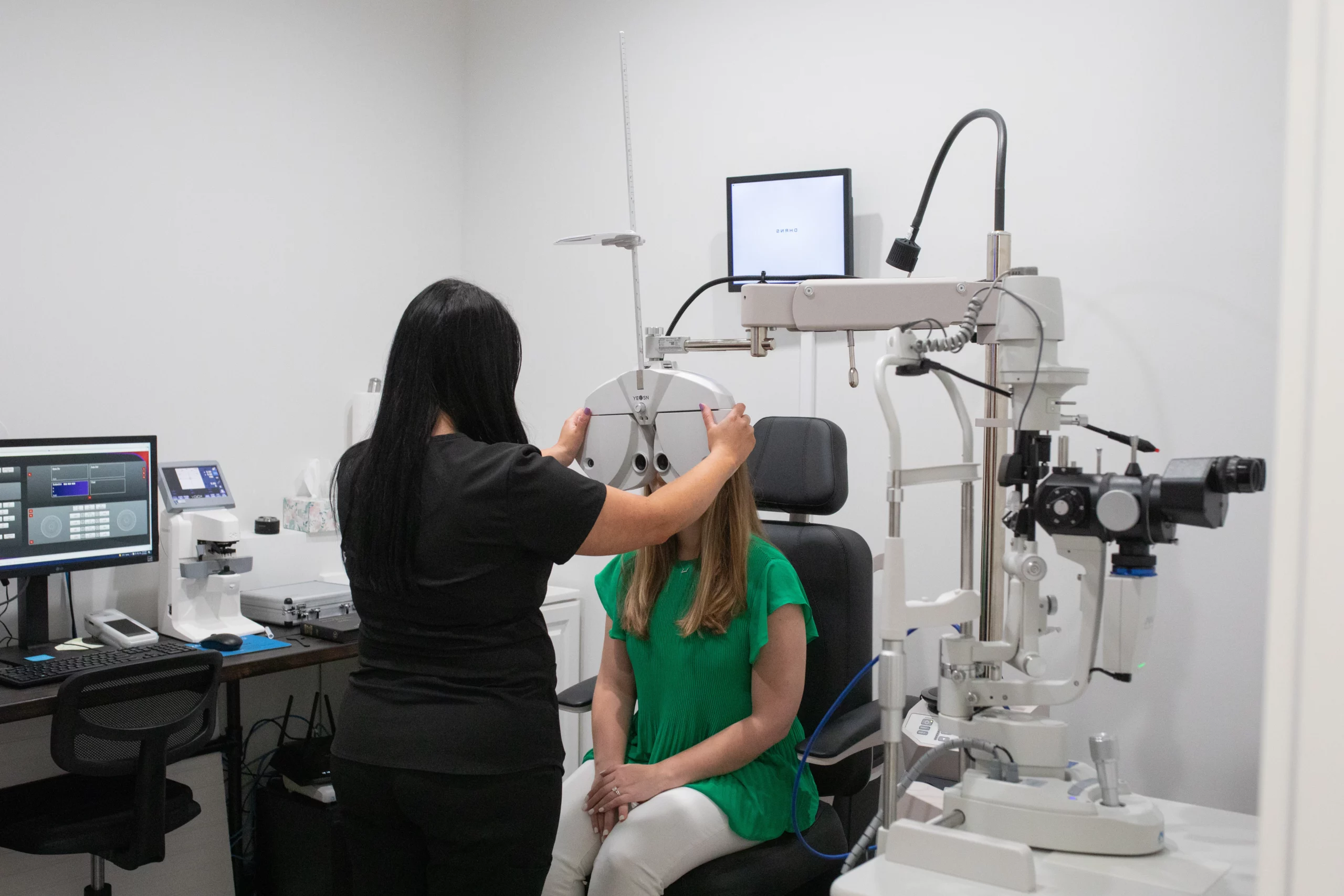
During a routine preventative exam, ophthalmologists look for changes in your vision and conduct several tests to assess the overall health of your eyes. These exams detect a wide range of conditions at their earliest and most treatable stages. Here are some of the tests ophthalmologists conduct:
- Refractive Errors: The exam will check for nearsightedness, farsightedness, and astigmatism.
- Glaucoma: Eye doctors measure the pressure inside your eye to screen for glaucoma, a condition that damages the optic nerve.
- Cataracts: They will examine the lens of your eye for clouding, a sign of cataracts.
- Diabetic Retinopathy: For patients with diabetes, ophthalmologists examine the retina for damage to its blood vessels.
- Age-Related Macular Degeneration (AMD): The exam includes a macular evaluation for signs of deterioration.
These screenings are fundamental for detecting problems early and provide a baseline for monitoring your eye health over time.
Providing Preventive Treatments
Beyond diagnosis, ophthalmologists offer preventive treatments and guidance to help patients protect their vision. These recommendations are often tailored to an individual’s specific health needs and lifestyle. Here are some treatments ophthalmologists may recommend:
- Prescription Eyewear: Correcting refractive errors with glasses or contact lenses can prevent eye strain and headaches.
- Lifestyle Recommendations: Eye doctors may suggest dietary changes to support eye health.
- UV Protection: They may advise you to wear sunglasses that block UV rays to reduce your risk of cataracts and other conditions.
- Medications: For conditions like glaucoma, your ophthalmologist may prescribe eye drops to manage eye pressure.
- Monitoring Chronic Conditions: If you have a condition such as diabetes, your eye specialist will work with you to manage its impact on your vision.
Following your ophthalmologist’s advice is a key step in preserving your vision and preventing future complications.
Scheduling Regular Visits
The frequency of preventive eye exams depends on your age, risk factors, and overall health. For adults with no symptoms or known risk factors, a baseline comprehensive exam at age 40 is often recommended. This is when early signs of disease and changes in vision may begin; an initial screening helps establish your eye health status.
For individuals with risk factors such as a family history of eye disease, diabetes, or high blood pressure, frequent visits may be necessary. Your ophthalmologist will recommend a schedule that is appropriate for you. Follow your eye doctor’s guidance to make sure you receive care at the appropriate intervals.
Get Expert Care From Ophthalmologists
Ophthalmologists play a fundamental role in preventive eye care. Regular visits to these eye specialists can help detect serious conditions early, protecting your vision from long-term damage. From conducting thorough exams to providing tailored advice, they offer a comprehensive approach to maintaining your eye health. For concerns about your vision, contact an eye care practice near you to schedule your appointment with expert ophthalmologists today.