An echocardiogram is a fundamental diagnostic tool used to evaluate heart function and detect early signs of disease. An echocardiogram allows clinicians to assess blood flow, valve performance, and overall cardiac health with precision. This noninvasive test plays a central role in monitoring patients with known heart conditions and identifying concerns before they become severe. Here’s more information on the role of echocardiograms in monitoring health:
What Does an Echocardiogram Show?
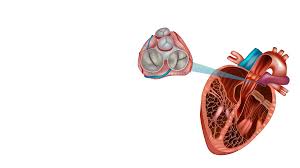
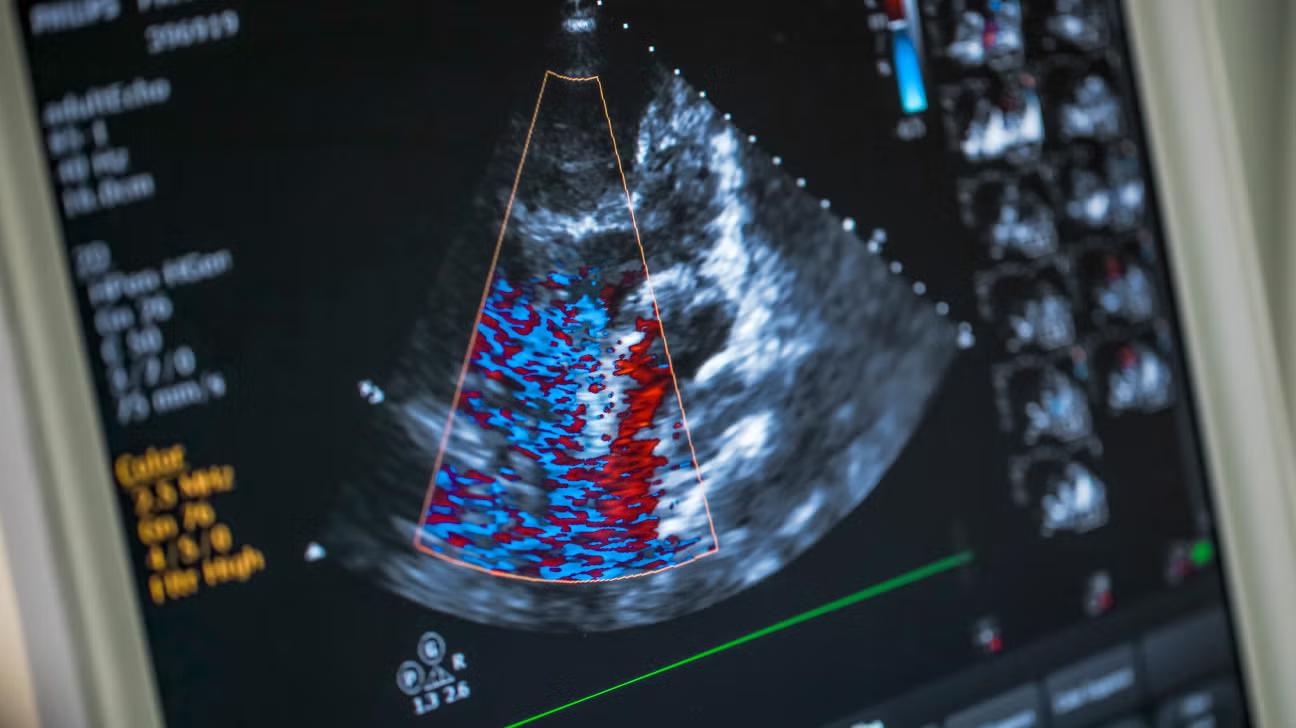
An echocardiogram is a detailed heart imaging test that provides doctors with a lot of information about your cardiovascular system. The test produces live images that show the heart’s size and shape. A cardiologist can use these images to determine if the heart is enlarged or if its walls have thickened. The test also evaluates the heart’s pumping strength, a key indicator of its overall function. A cardiac ultrasound also examines the heart’s valves to determine whether they open and close correctly.
Why Do Doctors Recommend It?
Doctors may recommend an echocardiogram for several reasons related to heart health. Here are some common reasons for a cardiac ultrasound:
- Investigating Symptoms: If you experience symptoms like chest pain, shortness of breath, palpitations, or dizziness, an echocardiogram can help determine the cause.
- Diagnosing Heart Conditions: An echocardiogram can detect heart murmurs, assess damage from a heart attack, identify congenital heart defects, and evaluate problems with the heart valves or chambers.
- Monitoring Existing Conditions: For patients with known heart disease, a cardiac ultrasound helps monitor the condition over time.
- Evaluating Treatment Effectiveness: After starting a new medication or undergoing a procedure like heart surgery, an echocardiogram can show how well the treatment is working.
This test provides a non-invasive way for your healthcare provider to gather detailed information about your heart’s health.
How Does It Track Heart Health?
An echocardiogram is also a valuable tool for long-term monitoring of heart health. Here’s how doctors use echocardiograms to track heart health:
- Tracking Chronic Heart Failure: For patients with congestive heart failure, regular echocardiograms are used to monitor the heart’s pumping function.
- Monitoring Valve Disease: Tests can show whether a valve is narrowing or leaking more blood over time.
- Following Up After a Heart Attack: An echocardiogram helps assess damage to the heart muscle after a heart attack.
- Assessing Congenital Heart Defects: For individuals born with heart defects, these tests help track the size of the defect, monitor blood flow patterns, and make sure the heart is functioning properly.
Cardiac ultrasound helps doctors make informed decisions about ongoing care by providing a detailed, consistent view of the heart.
What Happens During the Test?
Knowing what to expect can make the echocardiogram experience more comfortable. You will be asked to lie on an examination table, usually on your left side. A technician, called a sonographer, will apply a special gel to your chest to help sound waves from the ultrasound probe reach your heart.
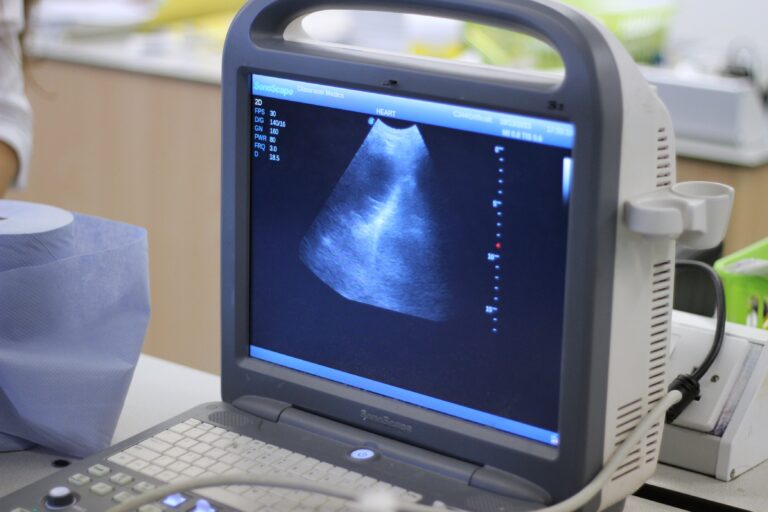
The sonographer will then press a small handheld device, called a transducer, firmly against your skin. This device sends out high-frequency sound waves that travel through your chest to your heart. The sound waves bounce off your heart’s structures, and the transducer picks up the returning echoes. A computer then converts these echoes into moving images that are displayed on a monitor. You may be asked to hold your breath or change positions during the test to help the sonographer get clear pictures.
Schedule Your Echocardiogram Today
An echocardiogram is a fundamental and helpful test for evaluating and monitoring heart health. This heart imaging test provides detailed pictures of your heart’s structure and function, helping doctors diagnose and manage a wide range of cardiovascular conditions. Contact a trusted cardiology clinic near you to schedule your echocardiogram today.