
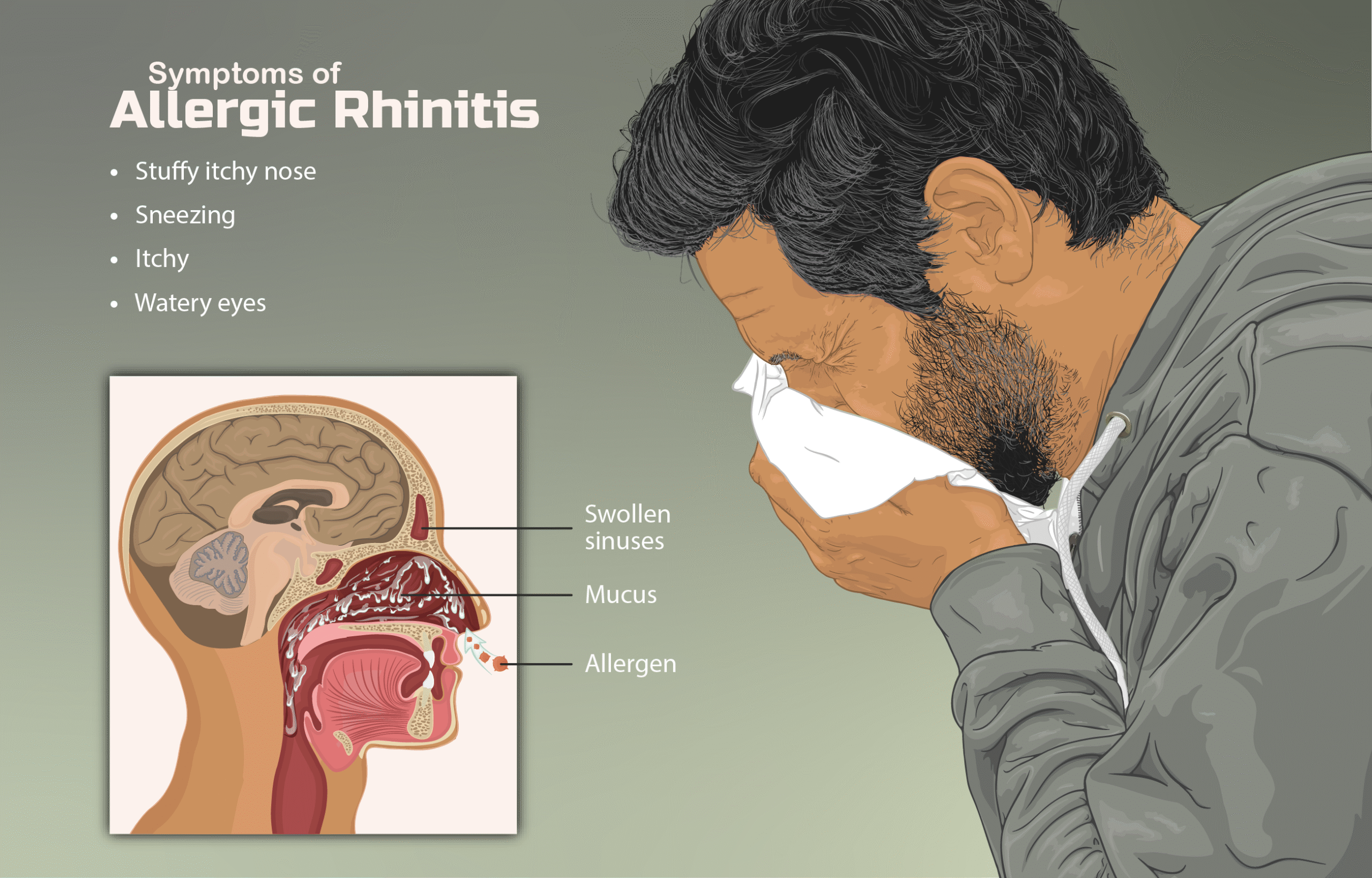
Immunologists specialize in the complex human immune system, and they help manage many daily functions. They study how the body reacts to various allergens, and they treat persistent issues effectively. Because allergies involve strong immune responses, these specialized doctors provide expert care for chronic allergic rhinitis. Here is more information about the relationship between immunologists and allergic rhinitis:
Patient Diagnosis
When a patient arrives at the clinic, the doctor carefully reviews their medical history. Identifying specific triggers requires precise clinical testing during the initial consultation. Skin prick tests are standard, but blood tests also determine specific sensitivities accurately for patients.
The specialist observes the skin’s reaction closely, and they note any inflammation appearing immediately. If a raised bump appears quickly on the skin, it usually indicates a specific allergy. Precise identification results help the doctor create an accurate management plan for the future. Patients may be encouraged by immunologists to share detailed information about their symptoms and medical history to provide a comprehensive evaluation and precise diagnosis.
Symptom Management
Allergic rhinitis causes sneezing, heavy congestion, and a runny nose daily for many frustrated sufferers. Patients suffer from these issues, yet relief is possible through strict environmental management strategies. While symptoms vary significantly from person to person, consistency remains the primary factor for adequate symptom control.
Because pollen can enter homes through screens, windows must stay closed during high-pollen seasons. Environmental changes may reduce daily exposure levels significantly for sensitive patients living at home. Dust mites live deep in bedding, so hot water washes kill them effectively every week.
Saline rinses clear the nasal passages, and they remove trapped allergens from the nose gently. While the process feels strange initially, this method provides significant relief for many people. Regular rinsing may significantly reduce the total burden on the sensitive nasal lining over time. Using filters in vacuums and air purifiers can also help reduce airborne allergens, improving indoor air quality for those with sensitivities.
Medication Prescriptions
Doctors prescribe various medications for immediate symptom relief during acute and severe allergy attacks. Because individual needs differ significantly among patients, the regimen might include several different pharmaceutical options. Antihistamines block chemical reactions, and corticosteroids effectively reduce deep inflammation in nasal tissue. They may prescribe:
- Oral antihistamines
- Nasal corticosteroids
- Decongestant sprays
Health Connections
Allergic rhinitis may be directly linked to other severe conditions, such as chronic asthma. The upper airway connects to the lower airway, so they interact constantly together biologically. If the nose becomes severely inflamed, the lungs may respond with similar patterns of inflammation. Sinusitis complicates cases of allergic rhinitis and frequently causes facial pain or pressure. Fluid builds up inside the sinus cavities due to persistent nasal swelling issues. Because drainage pathways are easily blocked, bacteria may grow quickly within the sinuses.
Get Help From Immunologists
When over-the-counter drugs fail repeatedly, a specialist provides answers regarding your health status. Schedule an appointment with an immunologist today, and take control of your daily life and comfort. Proper professional care helps manage daily symptoms effectively for better long-term well-being.