
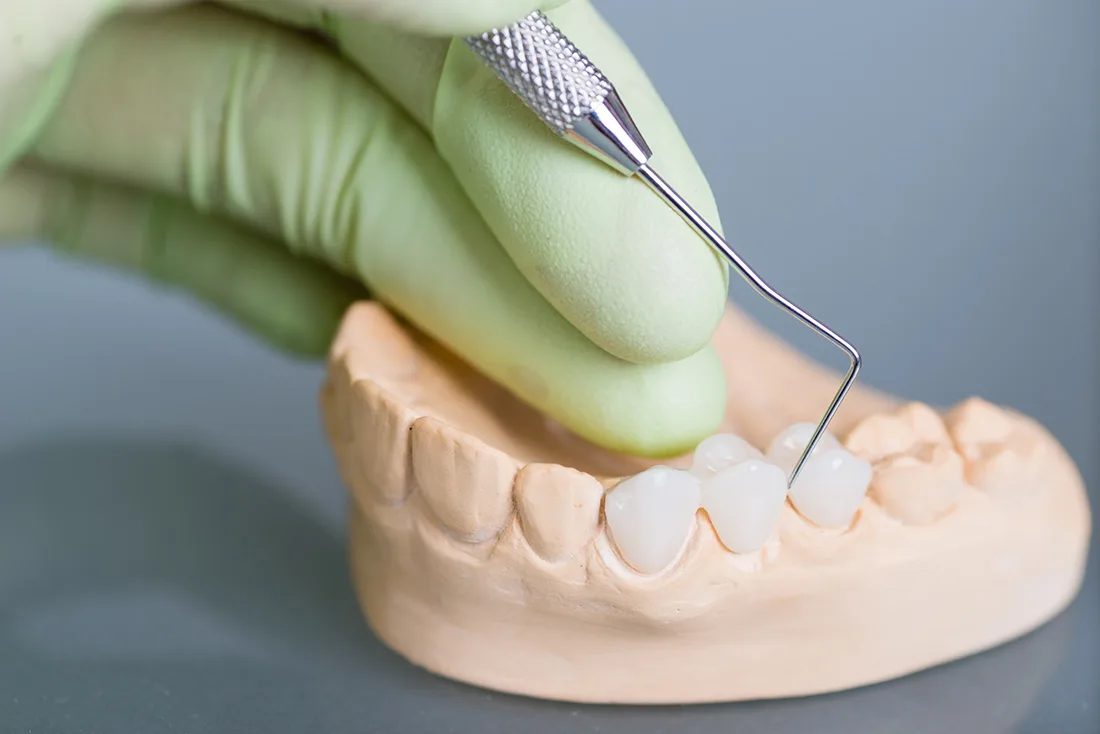
Dental crowns can restore teeth that have been damaged by decay, fractures, or structural wear. Crowns also complete treatments such as root canals and can cover implants to create a stable chewing surface. Crown materials differ based on the location in the mouth and other factors, and each type offers different benefits. A crown may also anchor a dental bridge or partial denture when the area requires additional stability. Here is more information about the process of getting a crown and the different types:
The First Appointment
The first step is a consultation, which typically includes an evaluation of the teeth, surrounding gums, and bite. During this visit, the provider determines whether the tooth has enough healthy structure to hold a crown securely. X-rays or digital imaging may be used to check for decay or other issues that need attention before moving forward.
Material selection for dental crowns may also be discussed during this appointment. Common materials include ceramic, metal, and porcelain. Since each option offers different advantages, the provider can review how porcelain works well for front teeth, metal can tolerate heavier chewing, and which ones offer a balance of appearance and strength.
Preparation of the Teeth
Preparing the tooth begins with removing weakened or decayed areas and shaping the remaining structure. This step creates enough room for the crown to fit comfortably while preserving as much natural tooth as possible. The preparation process also creates a stable foundation that helps the final crown stay secure once it is placed.
Some teeth may need additional care before shaping. If the tooth has undergone a root canal or has extensive decay, the provider may reinforce the underlying structure with fillings before placing the crown. These steps help maintain the tooth’s strength throughout the restoration process.
Impressions and Temporary Crown
Once the tooth is shaped, the dentist takes impressions or digital scans to capture the tooth’s dimensions and the surrounding bite. These details guide the creation of a custom crown that fits well and aligns with nearby teeth. After the impressions are complete, the dentist applies a temporary crown to protect the prepared tooth while waiting for the custom crown.
Final Crown Placement
At the final visit, the dentist places and checks the fit of the custom crown. The provider assesses how it aligns with the bite and then makes small adjustments as needed. Once the shape and position are confirmed, the dentist bonds the crown to the tooth, creating a secure and functional restoration.
Recovery after crown placement is usually brief. Many people adjust within a couple of days, although temperature sensitivity can last about two weeks. This sensitivity is temporary and tends to decrease as the tooth settles and the surrounding tissues adapt.
Learn More About Dental Crowns
To learn more about dental crowns and whether or not you are a good candidate for this type of restoration, consult your dental provider. Dental crowns restore damaged or weakened teeth with durable, custom-made coverage. Unlike veneers, crowns can not only improve the cosmetic look of teeth, but also strengthen natural teeth and withstand strong chewing forces.