The field of cosmetic procedures is continually evolving, with new techniques offering different approaches to aesthetics. These advancements focus on refining outcomes and expanding the options available to individuals seeking cosmetic services. Understanding these developments can provide clarity on what is currently possible in the world of aesthetics.
Which Treatments Improve Skin?
If you’re looking to improve your skin’s texture and appearance, you have many options. These treatments work in different ways to help you achieve smoother, healthier skin. It’s about finding the right approach for your unique needs. Here are some common aesthetics treatments that can improve your skin, each with its own benefits:
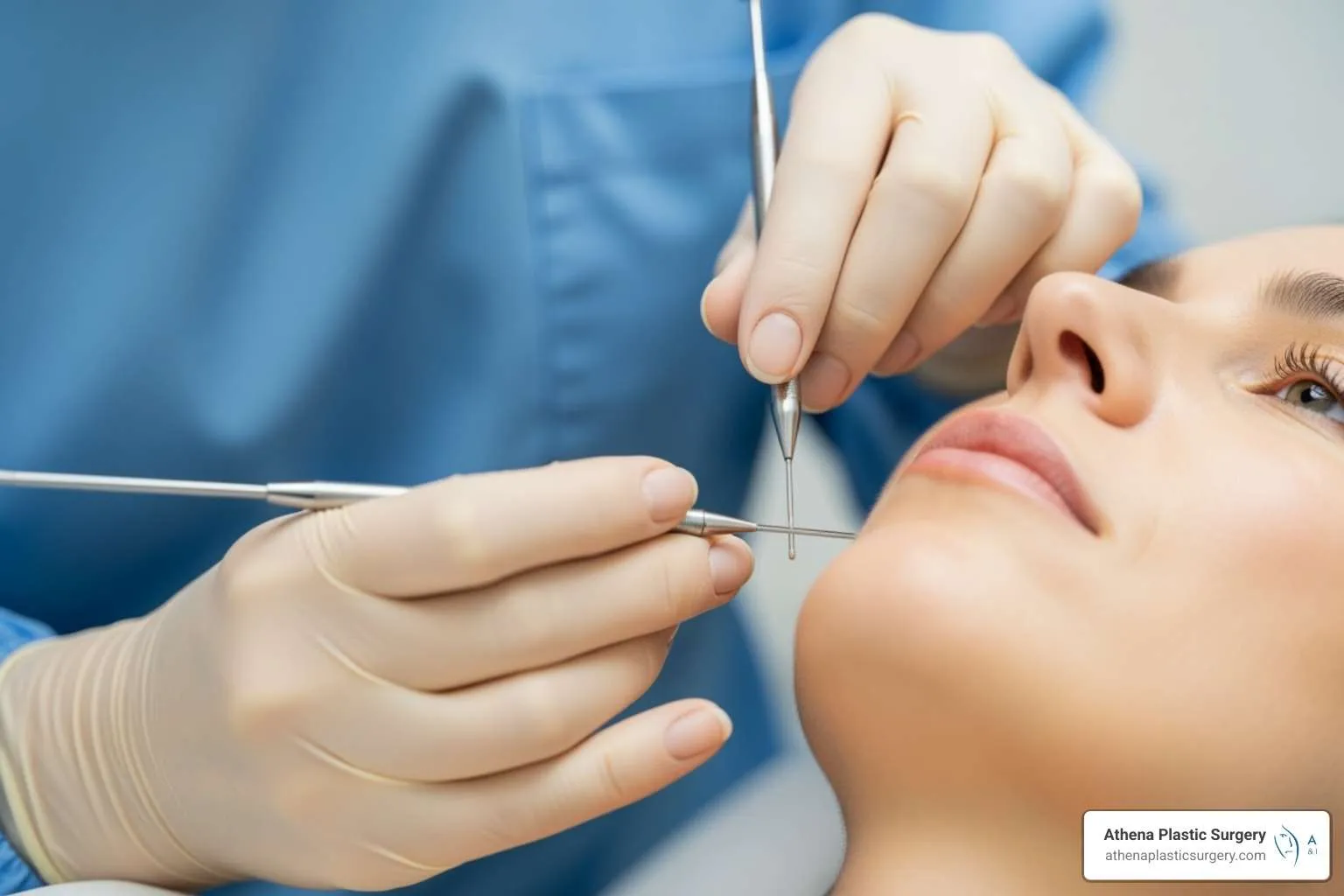
- Microneedling: This treatment uses tiny needles to create controlled micro-injuries in your skin. This process encourages your skin to produce more collagen and elastin, which helps reduce the appearance of scars, wrinkles, and large pores. It’s a great way to naturally revitalize your skin.
- Chemical Peels: A chemical peel involves applying a special solution to your skin that gently removes its outermost layers. This reveals fresher, smoother skin underneath. Peels can help with issues like uneven skin tone, fine lines, and sun damage, leaving you with a brighter complexion.
- Laser Resurfacing: This method uses targeted light energy to remove damaged skin layer by layer. It’s effective for treating wrinkles, age spots, and acne scars. Laser treatments stimulate new skin growth, leading to firmer and more even-toned skin.
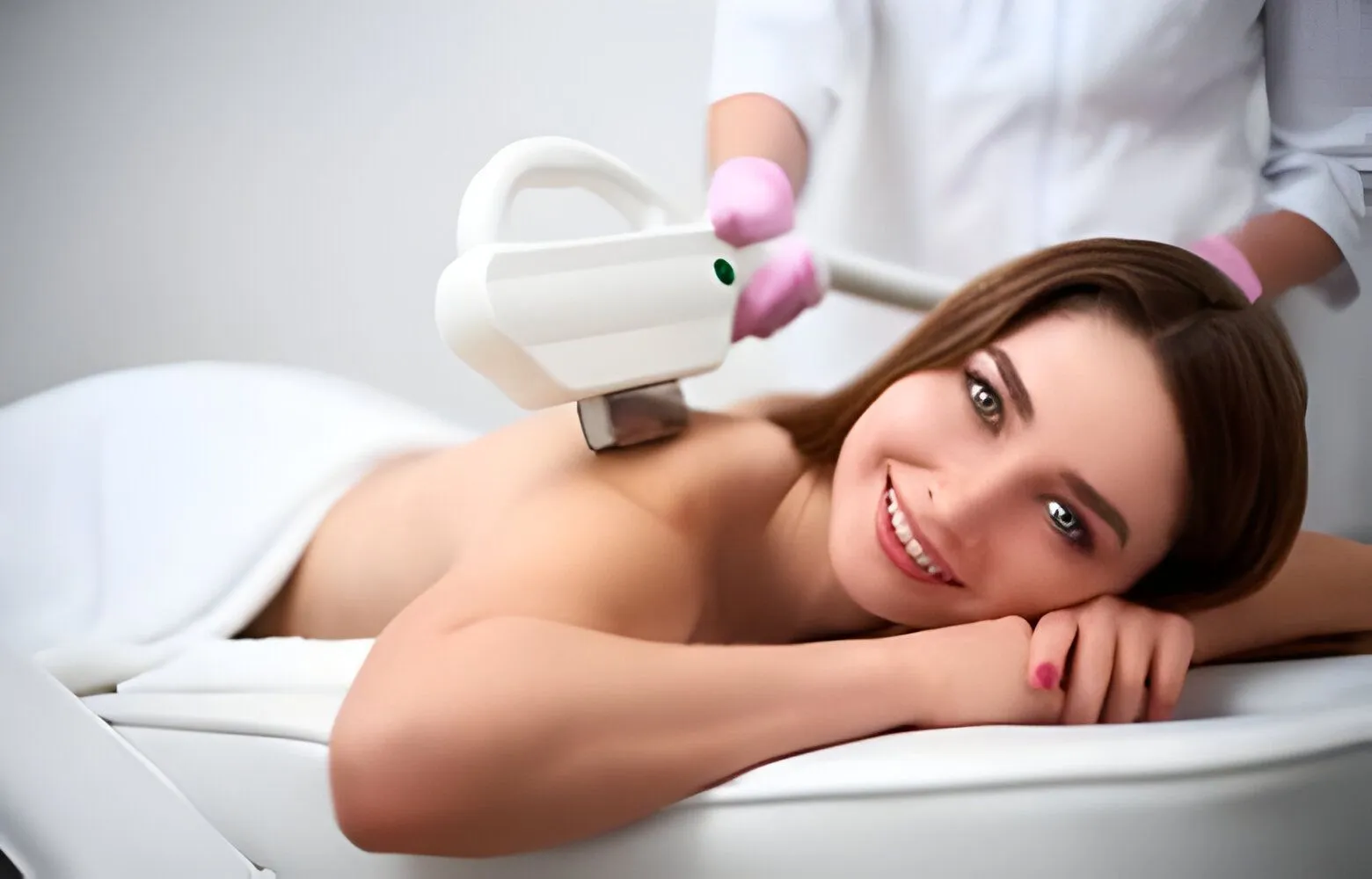
- Radiofrequency (RF) Treatments: RF treatments use heat energy to warm the deeper layers of your skin. This heat stimulates collagen production, helping to tighten loose skin and improve its overall texture. It’s a non-invasive way to achieve a more youthful appearance.
Choosing the proper treatment depends on your skin type and what you hope to achieve. Understanding these options can help you make an informed decision for your skin journey.
How Is Technology Advancing Results?
Technology is a driving force behind the progress seen in cosmetic procedures. Innovations in energy-based devices, such as lasers and radiofrequency machines, allow for more precise application and control. This precision helps specialists target specific skin depths and tissues, leading to more predictable and consistent results.
Advancements in imaging and diagnostic tools help professionals better assess an individual’s skin condition before any procedure. This initial analysis supports the creation of a tailored treatment plan. As technology continues to develop, the field of aesthetics will likely see even more refined tools and methods become available, further shaping the future of cosmetic results.
How Do Outcomes Compare?
When looking at the evolution of cosmetic procedures, it is helpful to compare the outcomes of traditional methods with those of newer techniques.
Traditional Methods
Historically, many cosmetic procedures were more invasive. These methods often involved longer recovery periods and posed different risks. While effective for their time, they sometimes produced less natural-looking results. The focus was primarily on making significant changes, and the technology available limited the subtlety that could be achieved.
Modern Techniques
Today’s procedures often prioritize a less-is-more approach. Minimally invasive and non-invasive options are increasingly common, frequently resulting in shorter recovery times. Modern techniques are designed to work with the body’s natural structures, aiming for subtle refinements. The goal is usually to enhance one’s appearance in a way that looks balanced and natural, reflecting a shift in overall aesthetics philosophy.
Consult an Aesthetics Specialist
The world of cosmetic procedures offers a wide array of options, each with its own process and potential outcome. Gaining a clear understanding of these treatments is a good first step. To learn more about which procedures might align with your personal goals, it is helpful to speak with a qualified professional. An aesthetics specialist can provide detailed information and guide you through your options.