
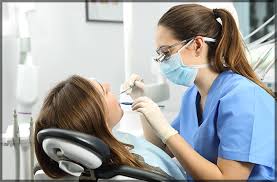
Good communication with your dentist is one of the ways to protect your oral health and avoid preventable problems. When you clearly share your concerns, symptoms, and habits, your dentist can diagnose issues faster and recommend treatments that fit your needs. Here’s why staying open with your dentist is fundamental:
Why Do Honest Conversations Matter?
Honest interaction helps the dentist identify issues that are not immediately visible on standard X-rays. Pain is a subjective experience; the provider relies entirely on your description to know what is wrong. Hiding habits like smoking or high sugar intake often lead to an incorrect diagnosis or a failed treatment. The dental specialist needs accurate data to create a plan tailored to your specific biological situation. Discussing fears or concerns allows the clinical team to adjust their approach for your comfort. Some individuals suffer from dental anxiety, but the team cannot assist if they are unaware of the problem.
What Should You Tell Your Dentist?
You should prepare specific information to share with the dental team before the physical examination begins. Providing a complete and up-to-date health history helps the dentist avoid complications during procedures. Here are some key information your dentist should know:
- Current medications and supplements you take daily, including dosage and frequency.
- Recent diagnoses of medical conditions such as diabetes, heart disease, or high blood pressure.
- Changes in your teeth, gums, or soft tissues that you noticed between visits.
- Increased sensitivity to hot or cold foods and drinks in specific areas of the mouth.
- Fear or anxiety regarding specific dental tools, sounds, or procedures.
- Habits that impact oral health, such as tobacco use, alcohol consumption, or nail-biting.
- Recent surgeries or hospitalizations, even if they seem unrelated to dental care.
Sharing these details allows the dentist to treat you safely and effectively.
What Questions Should You Ask?
Asking the right questions is a helpful way to better understand your oral health. The dentist can explain complex clinical terms if you ask for clarification during the appointment. Here are helpful questions to ask your dental specialist:
- How can I improve my home brushing and flossing techniques to better remove plaque?
- What are the early signs of gum disease I should watch for?
- Are there specific foods or acidic drinks I should avoid to protect my enamel?
- How often should I schedule a professional cleaning based on my current oral health?
- What are the alternative clinical options for the recommended treatment plan?
- Do you see any signs of teeth grinding or jaw clenching that require a night guard?
- What dental products do you recommend for my specific needs?
These inquiries help you reflect on your daily habits and make sure you are caring for your teeth correctly.
Does Communication Improve Oral Health?
Effective dialogue leads to early detection of potential problems, such as gum disease or tooth decay. When a patient reports minor sensitivity, the dental specialist can intervene before a root canal is needed. Clear communication also builds trust between the patient and the clinical team. You are more likely to follow post-operative instructions when you understand the reasons behind them.
Visit a Local Dentist Today
Open communication is fundamental for receiving the highest standard of dental care. You play a key role in your oral health by sharing your history and asking relevant questions. Make sure you discuss any concerns or changes with your dental care provider at your next scheduled checkup. Contact a local dentist near you to schedule your next dental visit today.