
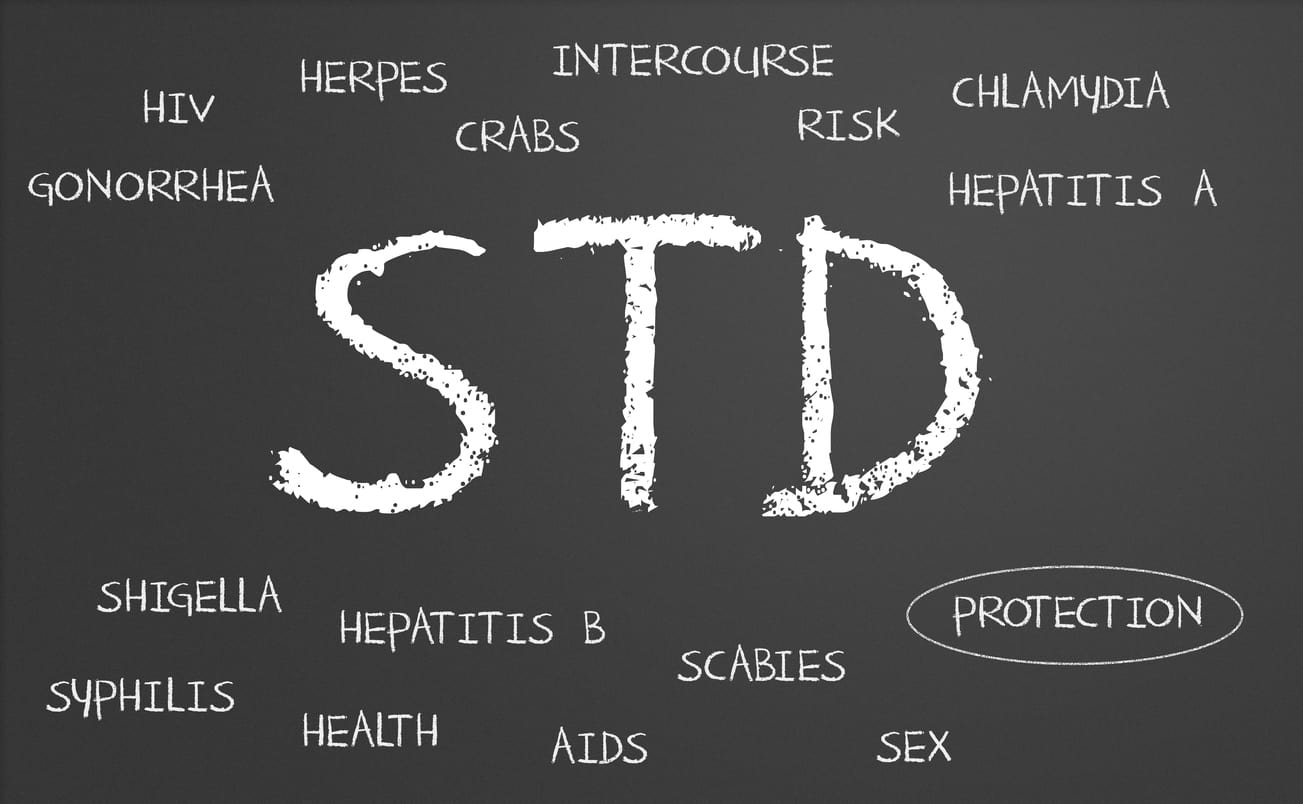
Preventive health care involves a proactive approach to maintaining well-being. A key component of this approach is regular screening for various health conditions. Among these, STD screening is a fundamental practice for sexual health. Integrating this type of screening into your regular health routine enables early detection and management, thereby forming a cornerstone of personal wellness. This process is a private and straightforward part of self-care.
Why Is STD Screening Valuable?
Regular screenings are a practical tool for managing your sexual health. They help identify sexually transmitted diseases (STDs), many of which may not have noticeable symptoms in their early stages. This means you could have an STD without knowing it and pass it to others.
Here’s why screenings are valuable:
- Early Detection: Testing can identify infections before they develop into serious health problems.
- Preventing Spread: Knowing your status helps you protect your partners.
- Peace of Mind: Getting tested provides clear, reliable information about your health.
The screening process is simple and confidential. It typically involves a urine sample, blood draw, or swab, depending on the specific tests required. The results allow you to make informed decisions, whether that means seeking treatment or continuing your preventive care routine.
How Often Are Screenings Needed?
The recommended frequency for STD screening can vary based on individual circumstances. Factors like age, sexual activity, and the number of partners can influence how often you get tested. For many sexually active adults, annual testing is a common recommendation. Your health care provider can offer guidance tailored to your specific situation.
Certain life events might also prompt a screening. Beginning a new sexual relationship is a good time for both partners to get tested. This helps establish a baseline of health and fosters open communication. If you believe you were exposed to an STD, getting tested promptly is a wise step. Following a consistent screening schedule helps you stay on top of your sexual health.
How Does Screening Support Wellness?
Making STD screening a part of your regular health routine is a key step in supporting your long-term wellness. Knowing your status allows for early management and helps protect both your health and the health of the community. Here are a few ways screening supports your overall well-being:
- Prevents Health Complications: Early detection through screening enables you to receive treatment sooner. This can prevent serious health issues that might develop if an STD is left unaddressed.
- Simplifies Treatment: Finding and treating an STD early often means the treatment process is simpler and more effective.
- Reduces Transmission: Knowing your status allows you to take the right steps to prevent passing an infection to others. This helps reduce the overall transmission rates in your community.
By taking this proactive step, you’re not only protecting your own physical health but also contributing to a healthier environment for everyone. It’s a responsible action that has a wide-reaching, positive impact.
Consult a Specialist
Taking control of your health includes managing your sexual wellness, and a healthcare provider can offer personalized advice on STD screening based on your lifestyle and health history. This confidential conversation is a supportive space where you can ask questions and obtain the information you need. If you’re ready to incorporate screening into your preventive health plan, contact a professional to schedule an appointment and determine the appropriate tests for you.