
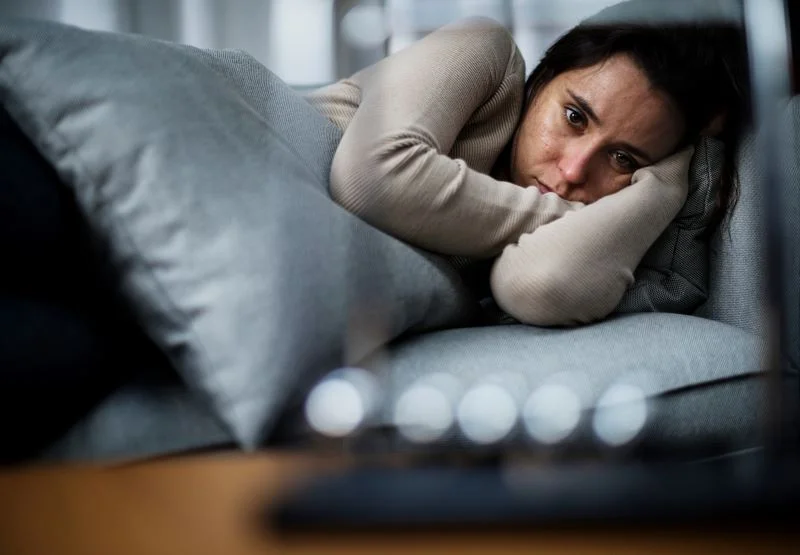
Depression is a mood disorder that causes a persistent feeling of sadness and loss of interest, and it can lead to a variety of emotional and physical problems. People with depression typically have trouble doing normal day-to-day activities. Depression, a medical condition, may be linked to sleep issues.. Here is more information about this connection:
Mutual Relationship
The link between sleep and depression is complex and bidirectional. This means poor sleep might contribute to depression, and depression can cause sleep problems. When sleep is disrupted, it affects your mood and emotional regulation. Sleep deprivation intensifies negative emotions. A person with depression often experiences sleep disturbances. This creates a cycle that is difficult to break.
Sleep issues and depression can exist together in patients. A person experiencing one condition may be more likely to develop the other. Their connection goes in both directions. Insomnia is a standard symptom of depression, but people who have insomnia may have a greater risk of developing depression. Treating one condition may help alleviate the other.
Neurochemical Changes
Changes in the brain are associated with both sleep and depression. These alterations affect how the brain regulates mood and sleep cycles. The body’s internal clock, which manages the sleep-wake cycle, is often disrupted in individuals with depression. This disruption leads to irregular sleep patterns and daytime fatigue.
The brain’s communication systems are delicate, so even minor changes can have significant effects. Processes that control sleep and mood overlap significantly. When these systems are disturbed, it typically results in both depressive symptoms and sleep issues. The body’s natural rhythms become desynchronized. This contributes to the persistence of both conditions.
Poor Sleep Impacts
Insufficient sleep can impact your daily functioning. It can impair cognitive abilities and emotional stability. A lack of restorative sleep makes it harder to manage stress, and this creates a greater vulnerability to mood swings. Your body needs sleep to repair itself.
When you do not get enough sleep, you typically notice several negative effects. These effects typically worsen symptoms associated with depression. Poor sleep has a significant effect on your well-being, and your physical health might also decline. You may experience:
- Difficulty concentrating
- Increased irritability
- Reduced energy levels
These impacts compound over time, and they may make daily tasks more challenging. The physical toll of poor sleep also contributes to feelings of lethargy. This can be mistaken for or exacerbate depressive symptoms. Maintaining good sleep hygiene is essential for effectively managing overall health.
Depressive Symptoms
Depression manifests through various symptoms, many of which are tied to sleep. These symptoms vary in severity and duration from person to person. One common sign is a persistent low mood. Loss of pleasure in activities once enjoyed and changes in sleep are core features of the diagnosis.
Some people with depression sleep too much, a condition called hypersomnia. This excessive sleep does not feel refreshing. It may increase feelings of lethargy. Others experience insomnia, where they have difficulty falling asleep or staying asleep.
Get Evaluated for Depression
If you experience persistent sleep problems alongside a low mood, seek a professional evaluation. A healthcare provider can accurately assess your symptoms, which will help determine the underlying cause. Getting a proper diagnosis is the first step. For a comprehensive evaluation, schedule an appointment with a qualified mental health professional.