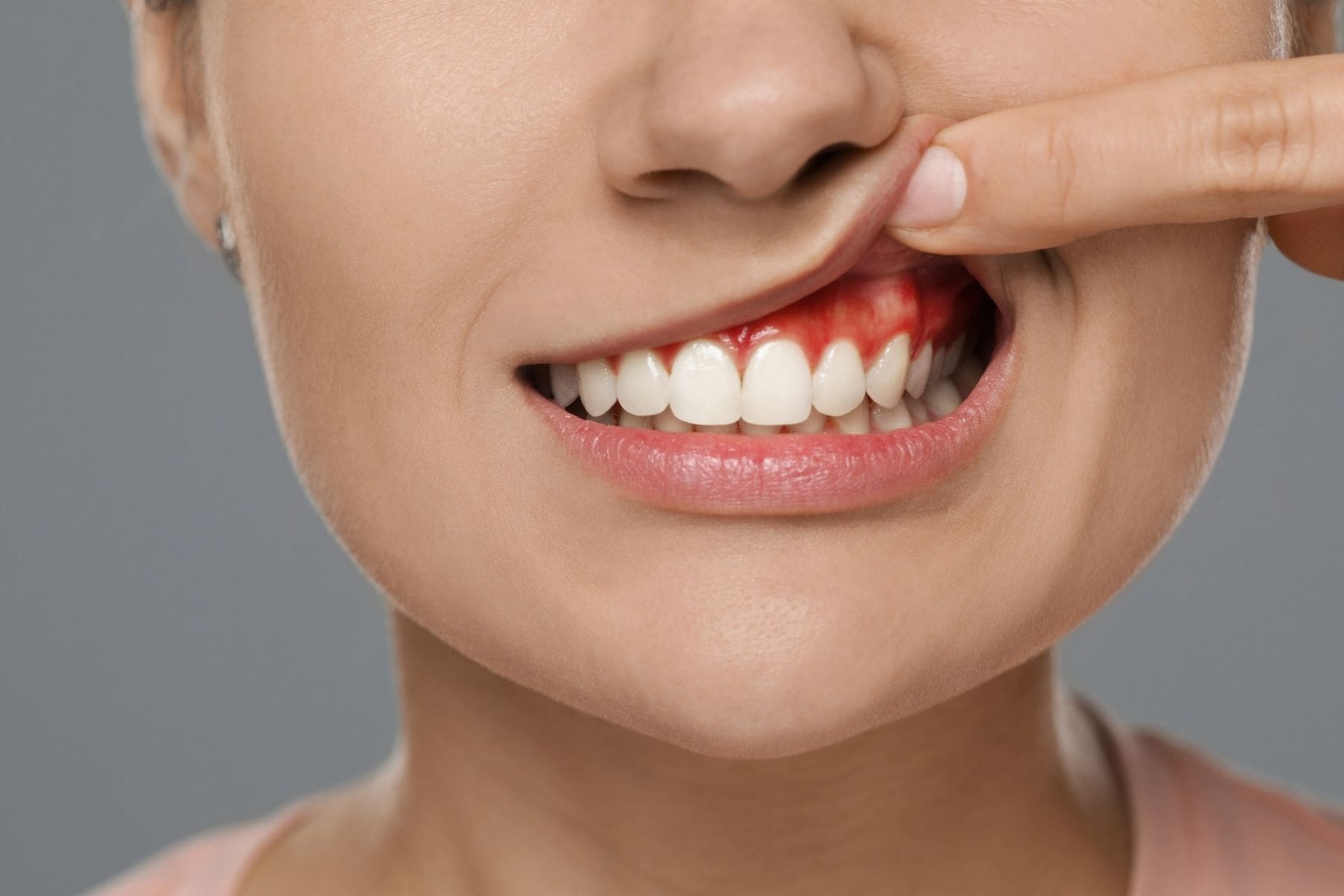

The condition of your mouth, teeth, and gums is directly related to your overall physical well-being. Oral health can provide clues about your general health and may reveal issues in other parts of your body. Here is some information about the connection between dental health and overall well-being:
Identifying Systemic Diseases
Your mouth may show the first signs of systemic diseases, which are conditions that affect the entire body. A dental examination is a non-invasive way to check for these indicators, as dentists are trained to observe oral symptoms linked to conditions like diabetes, such as gum disease or frequent infections. Persistent bad breath and dry mouth sometimes appear before other symptoms are noticed. Some symptoms dentists look for include:
- Lesions: Lesions in the mouth may suggest certain autoimmune disorders, such as lupus or HIV/AIDS, which are known to cause distinctive oral changes.
- Changes in gum appearance: Pale or bleeding gums could be related to blood disorders.
- Jaw bone loss: This could be associated with skeletal osteoporosis.
Managing Chronic Diseases
Good oral hygiene practices help manage existing chronic conditions. For people with diabetes, addressing gum disease is a component of their overall care plan. Periodontal disease may make it more difficult to control blood sugar levels, increasing the risk of mouth infections.
There is also a recognized link between oral health and heart health. Bacteria from gum infections can travel to other parts of the body through the bloodstream. This movement of bacteria may be associated with inflammation in blood vessels, and some people with long-term gum disease are at higher risk of heart and blood vessel problems.
Those living with chronic kidney disease may experience additional oral health challenges, such as dry mouth or changes in taste, which can affect nutrition and overall well-being. For patients with respiratory conditions like chronic obstructive pulmonary disease (COPD), poor dental hygiene potentially contributes to lung infections. Following a consistent oral care routine supports your efforts to manage these and other chronic health concerns. Brushing, flossing, and regular dental visits are practical steps you can take as part of your broader healthcare strategy.
Detecting Pregnancy Complications
Hormonal changes during pregnancy may affect a woman’s oral health. Some pregnant women experience “pregnancy gingivitis,” which involves tender and swollen gums in response to the body’s shifting hormone levels. Morning sickness, changes in eating habits, and increased blood flow sometimes make it hard to maintain oral hygiene during this time. Left unaddressed, gingivitis might progress to more serious gum disease.
Paying attention to dental health during pregnancy is a practical step for expectant mothers. Measures such as gentle brushing, using toothpaste with fluoride, and limiting sugary snacks support both mother and baby. A dental professional can provide guidance on safe and effective oral care throughout pregnancy.
Visit a Dental Clinic
The mouth acts as an early warning system, showing signs that may relate to conditions elsewhere in your body. Paying attention to issues like persistent gum inflammation, mouth sores that do not heal, or sudden changes in oral health supplies information about your overall health. From managing chronic diseases to supporting a healthy pregnancy, oral care has broad implications. Schedule an appointment with a dental clinic today to discuss your oral health.