Your circulatory system is a complex network that transports blood throughout your body. This system includes your heart, arteries, and veins, all working together to deliver oxygen and nutrients where they are needed. In cardiology, the focus is often on the heart and arteries, but the health of your veins also plays a significant role in this intricate process. Understanding the relationship between your veins and your overall heart health can provide a more complete picture of your body’s circulatory function.
How Are Veins Connected?
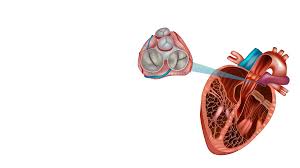
Veins are blood vessels that carry deoxygenated blood from the body back to the heart. This task requires them to work against gravity, especially in the legs. To accomplish this, veins contain tiny, one-way valves that open to allow blood to flow toward the heart and close to prevent it from flowing backward. This mechanism helps maintain steady and efficient blood return.
The structure of these veins is a key component of the circulatory system, a primary focus in cardiology. When vein walls weaken or the valves within them become damaged, blood can pool, causing the veins to swell and twist. This is what leads to the appearance of varicose veins, which most often develop in the legs and feet. The function of these vessels is directly tied to the larger system they are a part of.
Why Does Circulation Matter?
Proper circulation is key to keeping your body healthy and functioning properly. The cardiovascular system ensures that oxygen-rich blood reaches every part of your body, while veins return it to the heart for re-oxygenation by the lungs. When circulation is compromised, it can have widespread effects on your health.
Key aspects of the circulatory system:
- Heart-powered system: The heart pumps oxygenated blood through arteries to supply organs and tissues.
- Veins’ role: Veins return used blood back to the heart for re-oxygenation by the lungs.
- Continuous loop: This cycle ensures that all parts of the body get the oxygen and nutrients they need.
Poor circulation can disrupt this process, leading to potential issues such as delayed oxygen delivery or difficulty returning blood to the heart. Maintaining healthy blood flow is crucial for supporting your body’s overall performance and well-being.
Can Heart Health Affect Veins?
The heart acts as the central pump for the entire circulatory system. Its ability to pump blood effectively influences the pressure and flow within both arteries and veins. A strong, healthy heart pumps blood with sufficient force, helping the circulatory system run smoothly. This relationship highlights how different parts of the cardiovascular system are interconnected.
Conditions that strain the heart can have a ripple effect throughout your network of blood vessels. Increased pressure within the circulatory system can make it more difficult for blood to return from the lower body. This added strain can put pressure on the veins and their valves. Fields like cardiology often look at the entire system to understand these connections. This broader perspective helps in assessing overall cardiovascular wellness.
Consult a Cardiology Specialist
If you have concerns about varicose veins or your general cardiovascular wellness, seeking professional guidance is a positive step. A cardiology specialist can evaluate your cardiovascular system and provide tailored information for your specific situation. They can help you understand how different aspects of your health are related. Taking proactive steps to learn more about your body empowers you to maintain your well-being.