
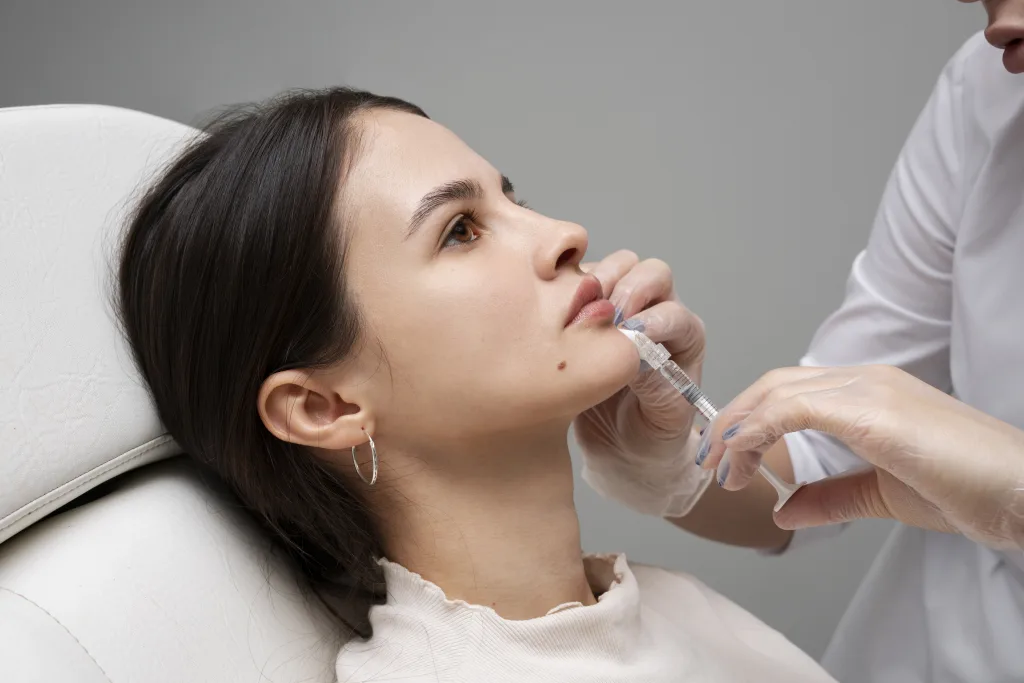
Cosmetic dermatology is a specialized field of medicine that improves the skin’s appearance. Procedures in this field address concerns like wrinkles, fine lines, skin texture, and volume loss. As individuals age, their skin undergoes natural changes, and cosmetic dermatology offers methods to manage these effects. Here’s information on dermal fillers and how they benefit aging skin:
How Aging Impacts the Skin
The aging process brings about several changes in the skin’s structure and appearance. These transformations are a result of intrinsic factors, like genetics and the natural passage of time, and extrinsic factors, such as sun exposure and lifestyle choices. Understanding these changes can provide insight into why certain aesthetic concerns develop over time.
Collagen is a fundamental protein that provides structure and firmness to the skin, but its production naturally declines with age. This reduction in collagen weakens the dermal foundation, contributing to the formation of fine lines and wrinkles. The skin becomes less resilient and may appear thinner as the structural support diminishes over the years.
Skin Laxity
As collagen and another protein, elastin, break down, the skin loses its ability to snap back into place. This process results in skin laxity, where the skin becomes looser and may begin to sag. Areas commonly affected include the jawline, cheeks, and neck, leading to changes in facial contours and a less defined appearance.
Facial Volume Loss
Another aspect of facial aging is the loss of subcutaneous fat. This fat provides volume and support, contributing to youthful facial contours. As this volume depletes, areas like the cheeks can appear flattened or hollow, and the skin may drape differently, creating shadows and folds. Cosmetic treatments, like dermal fillers, can help manage the effects of aging by adding volume and stimulating collagen production.
How Dermal Fillers Impact Aging Skin
Dermal fillers are gel-like substances injected beneath the skin to restore lost volume, smooth lines, and enhance facial contours. They are a common option in cosmetic dermatology for addressing the visible signs of aging without surgery. By adding volume to specific areas, fillers help lift and smooth the skin from within. These treatments can diminish the appearance of wrinkles and folds, and they may also be used to augment features like the lips and cheeks for a more balanced profile.
How Different Fillers Can Benefit You
Various types of dermal fillers are available, each with unique properties suited for different concerns and facial needs. A consultation with a qualified professional is necessary to determine the most appropriate option for your individual goals. One of the most common types of fillers is hyaluronic acid (HA) fillers. Hyaluronic acid is a substance naturally found in the skin, so it is generally well-tolerated. HA fillers are effective for smoothing wrinkles, adding volume to the cheeks, and enhancing the lips, providing temporary results that can be adjusted over time.
Each filler type has a distinct consistency and longevity, enabling tailored treatment plans. Some other filler options are:
- Calcium Hydroxylapatite (CaHA) Fillers: A biocompatible substance that can also stimulate natural collagen production.
- Poly-L-lactic Acid Fillers: Is another synthetic filler that helps rebuild collagen over time, offering gradual and subtle improvements.
- Polymethylmethacrylate (PMMA) Fillers: These fillers are composed of collagen and tiny microspheres that remain beneath the skin after injection. These microspheres provide volume and help maintain skin firmness.
Schedule a Filler Appointment Today
Dermal fillers offer a versatile and effective way to address volume loss, fine lines, and other signs of aging. To learn more about your aesthetic options, contact a dermatologist to schedule a consultation. An expert can assess your skin, discuss your goals, and recommend a personalized treatment plan.