Flat feet, medically known as pes planus, are a condition where the arches of the feet are lower than normal or absent. This structural difference can lead to discomfort, affecting daily activities, and understanding the available solutions helps patients manage symptoms effectively. Here is more information on this condition:
What Are Flat Feet?
Flat feet occur when the entire sole of the foot makes contact with the ground during standing or walking. The arch, which typically provides support and shock absorption, is reduced or completely flattened. This condition can affect one or both feet, and it may be present from birth or develop over time.
What Causes Them?
Several factors contribute to the development of this condition. Genetic factors play a role, with the condition often running in families. Children are often born with flat feet, and their arches typically develop during childhood.
Injury or trauma to the foot or ankle weakens the tendons that support the arch. Conditions such as arthritis and diabetes may also contribute to arch collapse. Obesity places additional stress on the feet, and pregnancy can temporarily flatten arches due to hormonal changes and weight gain.
What Are the Symptoms?
Common symptoms include foot pain, particularly in the heel or arch area. The inside of the ankle may swell, and the feet may feel stiff or less flexible. Walking or standing for extended periods often worsens discomfort.
Some individuals experience leg pain or fatigue because flat feet have the potential to affect alignment throughout the lower body. The feet may roll inward excessively when walking, a condition called overpronation. Uneven shoe wear, especially on the inner side, often indicates this issue. Not everyone with the condition experiences symptoms; some people live comfortably without intervention.
What Are Effective Solutions?
Multiple approaches can help manage flat feet and reduce associated discomfort. Supportive footwear provides proper arch support and cushioning, and shoes with firm heels and adequate arch support help distribute weight more evenly across the foot. Orthotic devices, such as custom inserts or over-the-counter arch supports, provide additional support. These devices fit inside regular shoes and help maintain proper foot alignment.
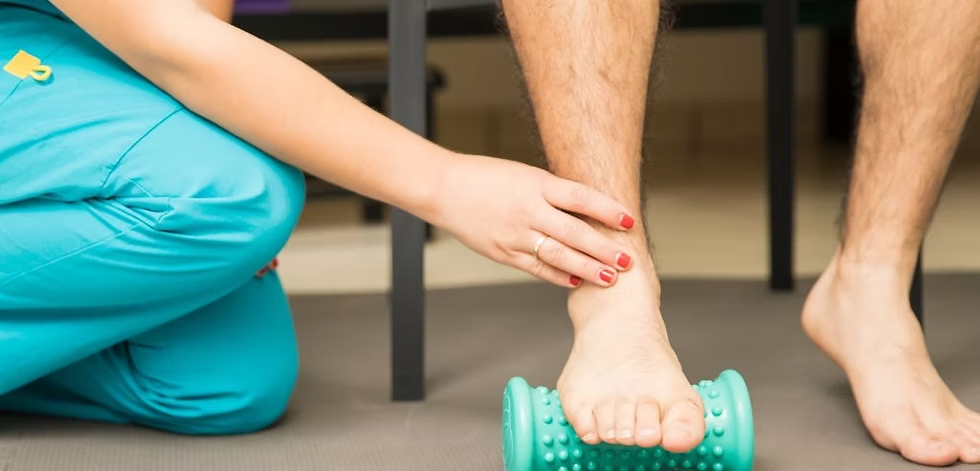
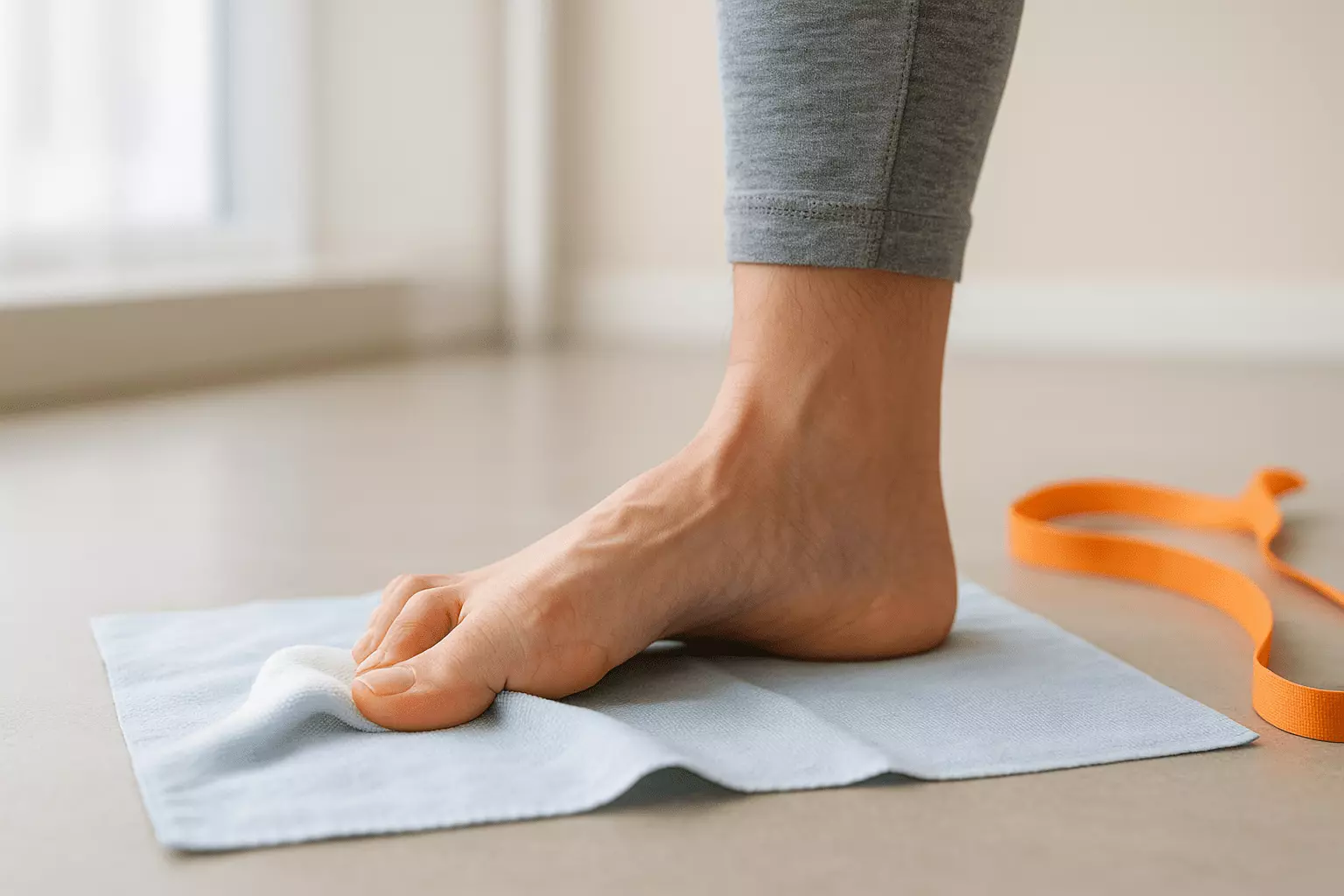
Physical therapy exercises strengthen the muscles and tendons that support the arch. Stretching exercises for the Achilles tendon and calf muscles can improve flexibility and reduce strain. Weight management reduces stress on the feet, and rest breaks during prolonged standing or walking help prevent fatigue.
Anti-inflammatory medications may help manage pain and swelling when symptoms occur. Ice application after activities helps reduce inflammation. Activity modification, such as choosing low-impact exercises like swimming or cycling, can help maintain fitness, and it reduces foot stress.
How Is Professional Care Beneficial?
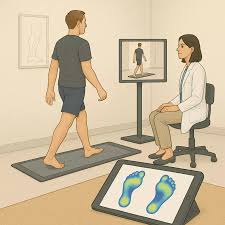
A podiatrist will provide a thorough evaluation of your feet. Professional assessment may include a physical examination, gait analysis, and imaging studies to assess foot structure and function. Specialists can recommend customized orthotics tailored to your foot shape and needs, and they may suggest specific exercises or physical therapy programs tailored to your condition.
For severe cases, surgical options may be discussed to reconstruct the arch or repair damaged tendons. Professional care helps identify underlying conditions that contribute to flat feet. Early intervention can prevent the development of more serious complications such as arthritis or chronic pain, so consulting a specialist is recommended.
Consult a Specialist Today
Living with flat feet may become more manageable with the right approach and support. Proper footwear, orthotic devices, exercises, and lifestyle modifications can significantly reduce discomfort. Consult a specialist and learn more about the treatment options.