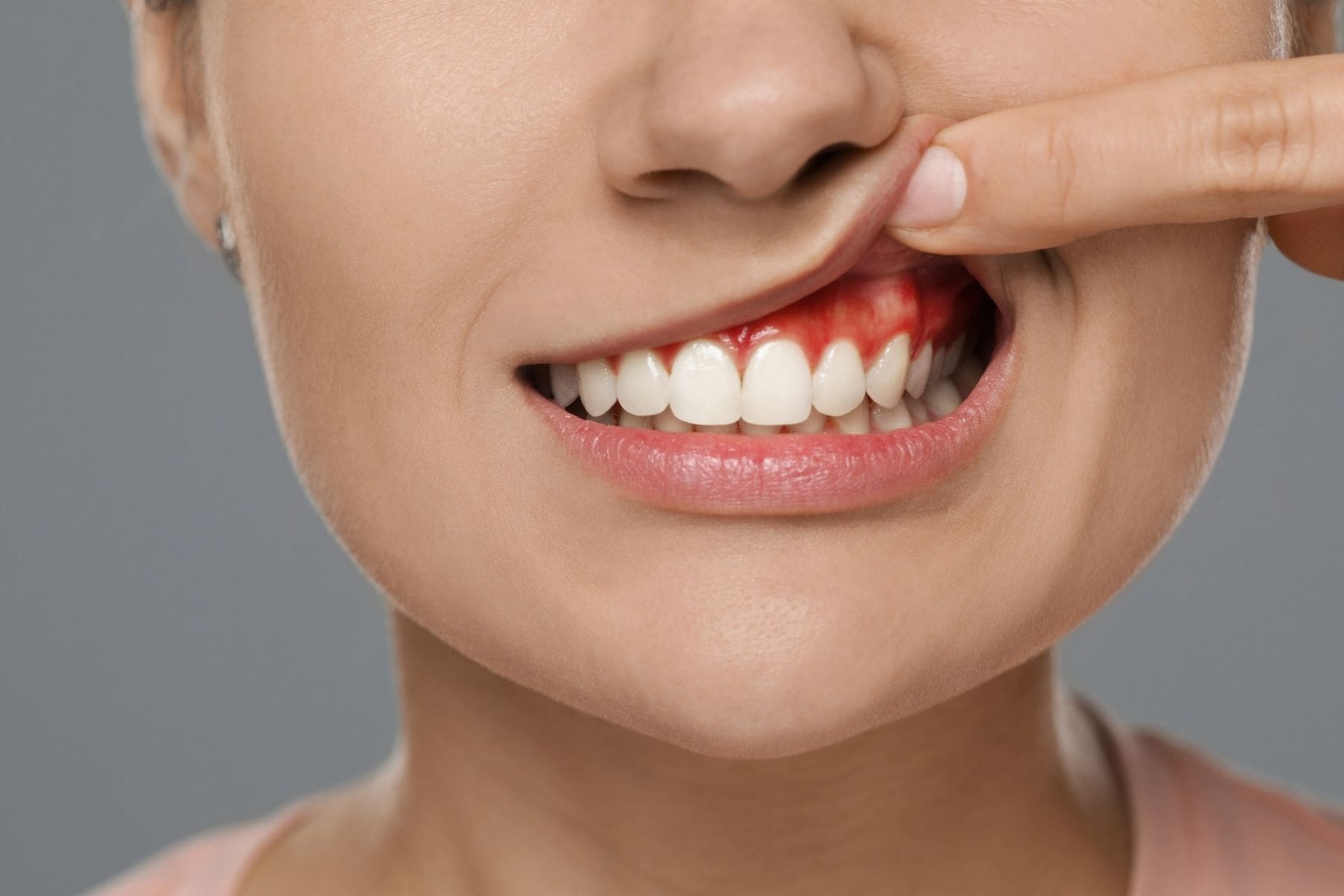

Wisdom teeth, or third molars, are the last set of molars to emerge, usually in your late teens or early twenties. For many people, these teeth come in without any issues. For others, they can cause problems if they don’t have enough space to grow properly. Recognizing the signs that your wisdom teeth may need attention can help you take the next step toward addressing any discomfort.
Is There Pain?
Experiencing pain in the back of your mouth is a very common signal that your wisdom teeth might be causing trouble. This discomfort isn’t always the same for everyone; it can be constant or intermittent. Understanding the type of pain you’re experiencing will help you better explain it to your dentist.
Here’s what that pain might feel like:
- Dull ache in your jawbone: This often feels like a persistent, low-level soreness deep in your jaw.
- Sharp pain near the erupting tooth: If the tooth is pushing through, the area right around it can feel quite sensitive and painful.
- Radiating pain or headaches: Sometimes, the pressure from a wisdom tooth can spread, causing pain that travels up to your head, leading to headaches.
This pain often happens when a wisdom tooth is pressing against a nerve or another tooth, or when it’s growing in at an awkward angle. This is called impaction, and it can put a lot of pressure on your other teeth, leading to that tenderness and aching sensation in your jaw. If you’re feeling any of these types of pain, it’s a good idea to have it checked out.
Is Swelling Developing?
Swelling in the gums, jaw, or cheek is another sign to watch for. You might notice that the tissue around the emerging wisdom tooth is red, tender, and puffy. This inflammation can make it difficult to open your mouth fully or cause discomfort when you chew. The area may feel warm to the touch due to the body’s response to the irritation.
This swelling occurs when a wisdom tooth partially erupts through the gum line, creating a small flap of tissue. This flap can trap food particles and bacteria, potentially leading to inflammation and localized swelling. In some cases, the swelling can extend from the gums into the jaw and cheek, creating a visible fullness on one side of your face.
Is Your Bite Shifting?
Changes in how your teeth fit together may indicate problems with your wisdom teeth. As these molars emerge, they can put pressure on nearby teeth, causing gradual shifting and alignment issues. If your bite feels different or your teeth appear more crowded, your wisdom teeth could be the cause.
Here’s what to watch for:
- Shifting or crowding of teeth
- Changes in how your bite feels
- Pressure or discomfort in the back of the jaw
- Reversal of previous orthodontic work
If you notice any of these signs, it’s worth getting your teeth checked to confirm there’s enough room in your jaw for the new molars. Early intervention can help prevent further alignment problems.
Consult a Wisdom Teeth Specialist
If you’re noticing any of these signs, it’s advisable to consult a dental professional. They can assess your wisdom teeth, often using X-rays, to understand what’s happening beneath your gums and pinpoint the cause of your symptoms. This thorough evaluation helps them recommend the best course of action for your specific situation. Don’t hesitate to schedule an appointment to get a professional opinion and make an informed decision about your dental health.