
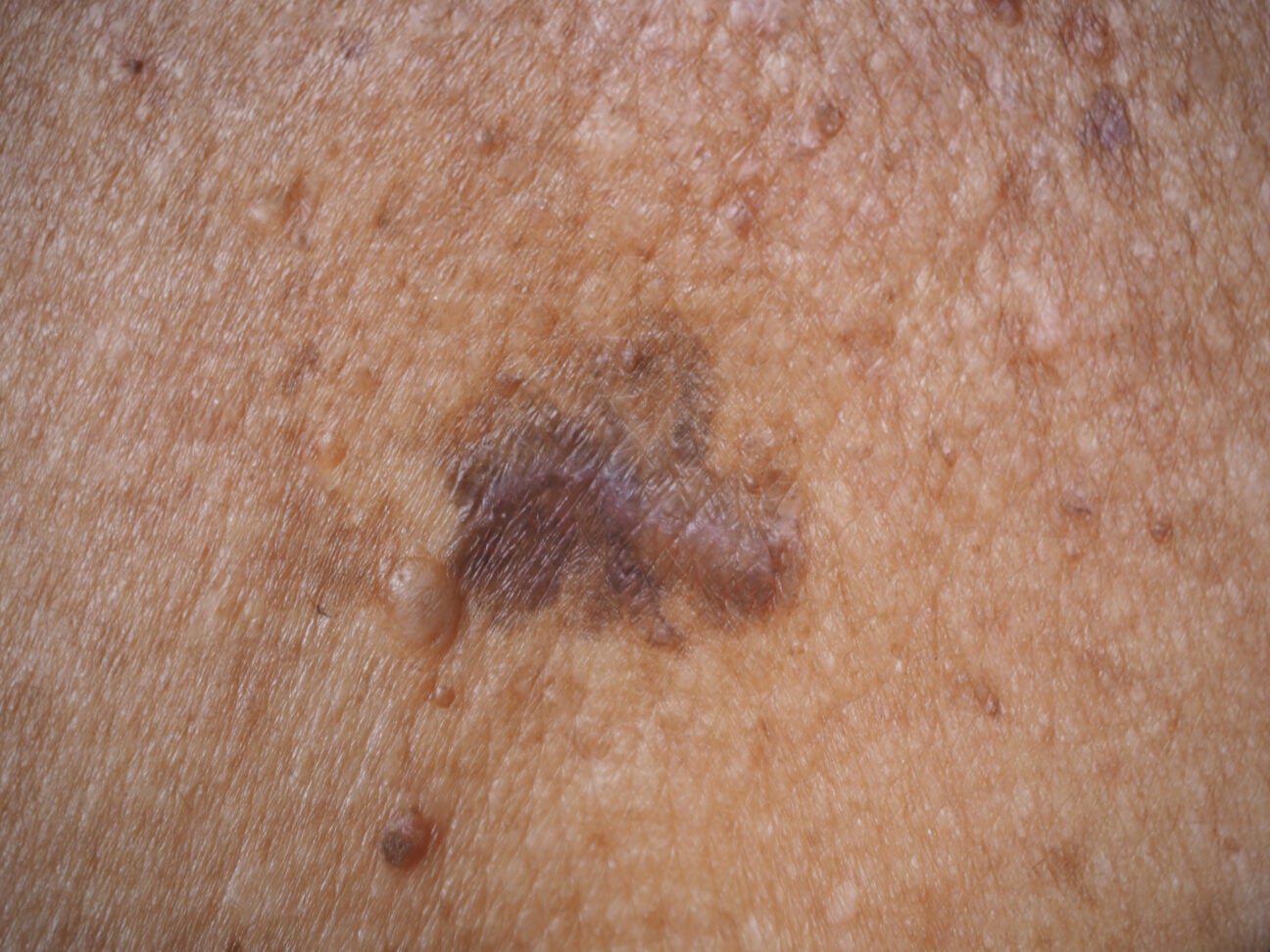
Skin cancer develops when skin cells grow abnormally, and it can be caused by sun exposure. This condition is a typical form of cancer that forms on the skin. Knowing what to look for on your skin helps with early detection, which is a key part of managing your health. These are some of the early signs of skin cancer:
Lesions on Skin
New spots or lesions on your skin may be an early indicator, and they might appear as a small, smooth, shiny, or waxy bump. While these growths can develop on sun-exposed areas such as the face, ears, and neck, they may appear anywhere on the body. You may also notice a firm, red nodule or a flat lesion with a scaly, crusted surface.
Growths With Odd Shape
Unusual shapes and borders are another sign to watch for. A mole or spot with an irregular, scalloped, or poorly defined border requires a closer look. While normal moles are typically symmetrical, an asymmetrical growth might be cause for concern. You might also observe growth with an uneven color distribution. These characteristics are associated with melanoma, a serious form of skin cancer.
These types of growths might not cause any pain, and you might find one on a part of your body that does not get much sun. Look for the “ABCDEs” of melanoma to help guide your skin checks: asymmetry, border irregularity, color that is not uniform, diameter, and evolving size, shape, or color. Regular self-examinations of your skin are a helpful habit.
It is wise to check your entire body for any new or unusual growths. Don’t forget to check hard-to-see areas, such as your back, scalp, and the soles of your feet. A partner or a mirror may help you perform a thorough check. Any spot that stands out from others is worth noting, so you can monitor it over time.
Sores That Don’t Heal
A sore that fails to heal within a few weeks is another potential sign of skin cancer. These persistent sores might bleed, ooze, or crust over, yet they do not fully heal. A sore might seem to get better, but then it reappears. This cycle of healing and returning is a definite warning sign. Such non-healing sores often appear on sun-exposed skin.
These sores can sometimes be mistaken for a simple cut or pimple. Because they linger, it becomes clear they are something different. A persistent, non-healing sore is another sign, and it needs a professional evaluation to determine the cause.
Growths That Change
Any change in an existing mole or skin growth is another sign to monitor. A growth might increase in size, and you could notice it changing in shape or color. Since these changes might happen slowly over weeks or months, regular checks are useful. A mole that was once flat may become raised.
Changes to be aware of include:
- Changes in size
- Alterations in shape
- Changes in color
- Symptoms like itching or bleeding
Any evolution of a spot on your skin is a sign, and it needs attention. Keeping a record of your moles, including photos, may help you track any changes over time.
Get Checked for Skin Cancer
Observing any of these signs on your skin means it is time to seek a professional opinion. An expert can perform a thorough examination, and they may perform a biopsy if a spot looks suspicious. Schedule an appointment with a dermatologist if you notice any new, changing, or unusual spots on your skin.