
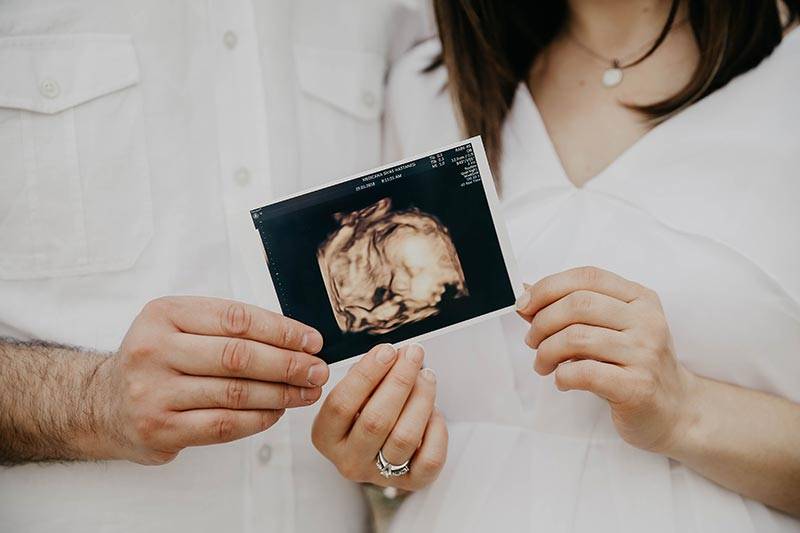
Pregnancy tests are designed to detect human chorionic gonadotropin (hCG), and this hormone is produced in your body after a fertilized egg attaches to the wall of your uterus. A test’s purpose is to confirm whether or not this hormone is present in your urine or blood. By taking the test correctly, individuals can get an accurate reading. Here is more information about preparation for pregnancy tests:
Identify Last Period
Knowing the first day of your last menstrual period helps you determine the ideal time for testing. The tests are typically given after you have missed a period. While you wait for the appropriate testing day, tracking your cycle provides helpful information. While menstrual cycle length varies among individuals, the average is 28 days.
Pregnancy tests detect the hormone hCG, and hCG levels rise rapidly in early pregnancy. Waiting until after a missed period allows this hormone to build to a detectable level. Taking a test too early might produce a negative result even if you are pregnant. This is because the hCG concentration may not be high enough yet for the test to measure.
Tracking this date is straightforward, and you can mark it on a calendar. Since many mobile applications also offer tracking features, you can use them to log your period dates and symptoms. Keeping a record gives you a clearer picture of your cycle patterns over time, and this information is useful when deciding when to take a pregnancy test.
Schedule a Morning Test
When you schedule your test for the morning, your urine may be more concentrated. This concentration helps the test detect hCG more easily. For this reason, many at-home tests recommend using your first-morning urine. Following the test’s specific instructions is a good practice for obtaining a reliable result.
Urine becomes diluted after you drink fluids throughout the day. A test taken later in the day might be less likely to detect hCG. This is especially true in very early pregnancy when hormone levels are just beginning to rise. The test needs a certain amount of the hormone to show a positive result. Therefore, the morning is the ideal time to sample.
Drink Water Moderately
You need to stay hydrated, so drink water. Drinking a moderate amount of water throughout the day is generally a good habit. Before a pregnancy test, drinking excessive amounts of fluids can dilute your urine. This dilution may affect the test’s ability to accurately detect hCG. A diluted urine sample may yield a false-negative result. A good approach includes:
- Avoiding large amounts of water right before testing.
- Skipping coffee or tea an hour or two beforehand.
- Using your first-morning urine as previously mentioned.
Eat a Snack Beforehand
You might feel lightheaded during medical appointments. While fasting is not required for a urine pregnancy test, having a small snack beforehand can be helpful. Eating a light meal or snack may stabilize your blood sugar. This can help you feel more comfortable and prepared for your appointment or at-home test. A simple snack like crackers or a piece of fruit will suffice.
Schedule a Pregnancy Test
When you are ready to confirm a pregnancy, a professional medical clinic can provide support. A healthcare provider can administer a test and offer guidance based on the outcome. A clinic provides a private and professional setting for this step. If you are ready to take the next step, we are here to help. Contact us to schedule a confidential pregnancy test today.