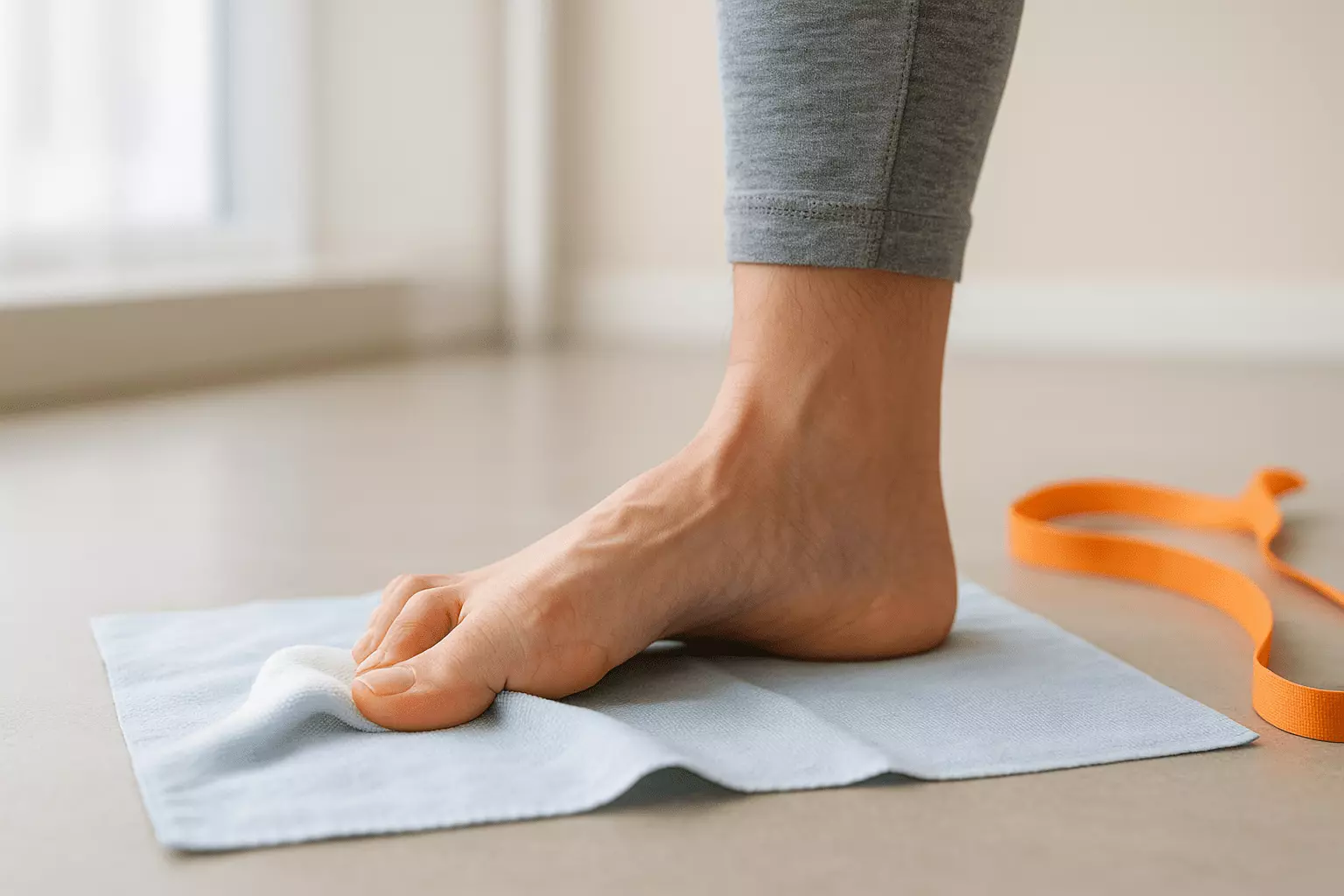
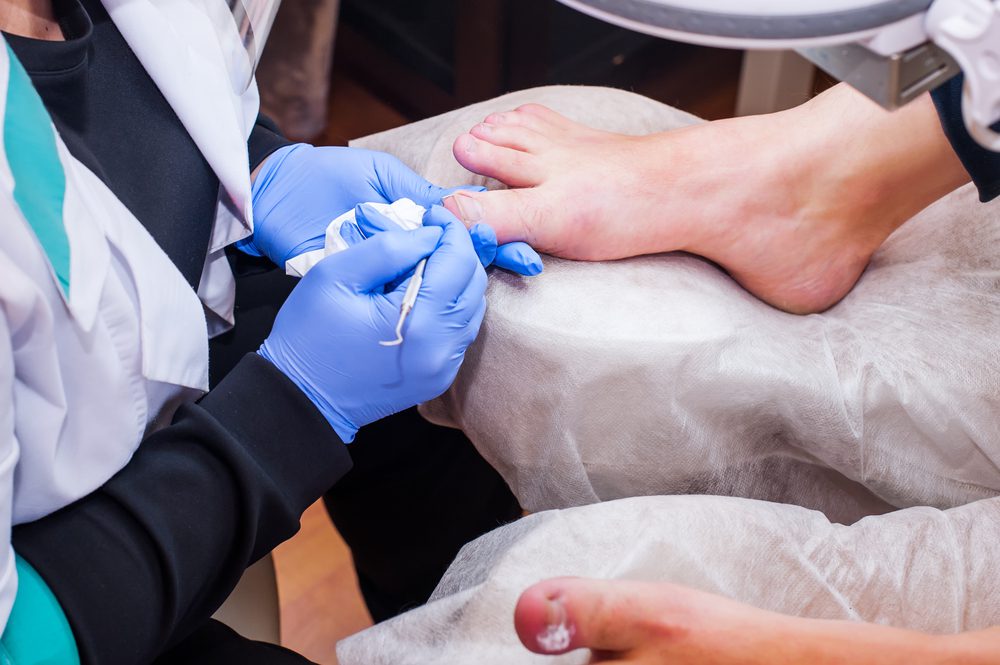
An ingrown toenail occurs when the corner or side of a toenail grows into the soft flesh of the toe. This condition may lead to pain, redness, and swelling. While some people are more prone to them due to genetics, certain habits may increase the likelihood of developing one. Here are some nail care tips for preventing ingrown toenails:
Modify Trimming Technique
The way you cut your toenails impacts your overall foot health. Cutting your nails too short or shaping the edges into a curve can contribute to the development of an ingrown toenail. When toenails are shortened excessively or the edges are rounded, it encourages the skin at the sides of the nail to fold over, allowing the nail to grow directly into the skin. An effective approach is trimming your toenails straight across. When cutting your nails, keep them even with the tip of your toe, so the edges rest above the skin rather than digging in. Use a nail clipper or scissors designed for toenails, since improper tools make uneven cuts. After a shower, toenails are usually softer and easier to cut; trimming at this time reduces the chance of accidental tearing or splintering.
Wear Proper Footwear
Footwear choices affect both comfort and nail health. Shoes that squeeze the feet or have pointed, narrow toe boxes push the toes against each other. This increases pressure along the edges of your toenails. Increased pressure might cause the nail to press into the adjacent skin and grow in the wrong direction. When selecting shoes, look for pairs with a wide, rounded toe box that allows your toes to move. If you frequently wear high heels or restrictive shoes for work or formal events, alternating footwear styles throughout the week helps reduce pressure on your feet.
Socks also play a role; those that are too tight or made of non-breathable materials could cause sweating, bunching, and added irritation. Socks should be snug but not constricting. Materials like cotton or moisture-wicking fabric help keep the feet dry and comfortable. Swapping out damp socks for a dry pair throughout the day supports healthier skin around the toes.
Practice Foot Hygiene
Good hygiene is a practical, daily defense against common foot issues, including ingrown toenails. Damp environments soften the skin, making it more susceptible to punctures when nails start to grow incorrectly. Moisture can create an environment for bacteria and fungi to grow, potentially making an ingrown nail worse.
After washing your feet, make sure to thoroughly rinse away residue and dry them completely. Pay close attention to the spaces between the toes, where moisture lingers. Dry feet are less likely to experience skin breakdown that allows a nail to dig in. For athletes, changing socks and airing out shoes overnight can help limit exposure to moisture. If you use public showers at gyms, wearing sandals or shower shoes offers protection from infection.
Inspecting your feet daily also helps you notice early warning signs, such as redness, swelling, or tender spots near the nail. The earlier you spot changes, the easier it is to adjust your care routine. Regular checks also help prevent infections and long-term complications.
Treat Your Ingrown Toenail Today
An ingrown toenail can develop into a persistent source of discomfort if left unaddressed. Adopting nail care practices offers effective prevention, but problems may still arise. If you notice increased pain, swelling, or difficulty walking due to an ingrown toenail, taking prompt action helps protect your foot health. Contact a podiatrist today to learn about ingrown nail treatment options and receive guidance for maintaining foot health.