
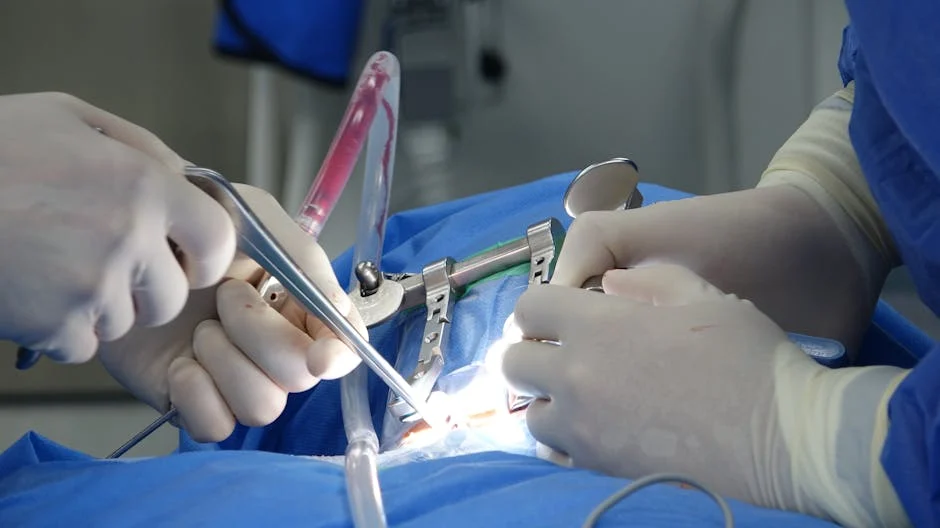
General surgery is a medical discipline that focuses on the abdomen, and this includes the esophagus, stomach, small intestine, and colon. A general surgeon may perform a wide variety of procedures. Since many of these procedures use minimally invasive techniques, they involve smaller incisions than traditional open surgery. Here is more information about these techniques:
Laparoscopy Surgeries
Using a special tool, a surgeon performs laparoscopy through small incisions in the abdomen. Surgeons insert a laparoscope, or camera, and it guides their movements. This tool transmits images from inside the body to a video monitor, and the surgeon watches the monitor while using specialized instruments. These instruments pass through other small incisions during the operation.
Laparoscopic surgery is an alternative to traditional open surgery. Since the incisions are small, the process is called minimally invasive surgery. A surgeon will determine the appropriate approach for your specific condition. The goal is to address the medical issue with minimal disruption.
Hernia Repairs
A hernia occurs when an organ pushes through a weak spot in the surrounding muscle or tissue. Surgeons may perform a repair to correct this, and this can be done using open or laparoscopic techniques. Hernia repairs are a standard surgery, but different types of hernias require different approaches. Types of hernias include:
- Inguinal (inner groin)
- Femoral (outer groin)
- Umbilical (belly button)
- Incisional (resulting from a prior incision)
Colonoscopy Techniques
A colonoscopy is a procedure used to examine the large intestine. While it is not a surgery, it is a diagnostic tool used by general surgeons. A long, flexible tube with a camera is inserted into the rectum, and this allows the doctor to view the entire length of the colon. The procedure helps in finding ulcers, polyps, and other abnormalities.
If polyps are found during the colonoscopy, they typically can be removed at the same time. This is done using small tools passed through the colonoscope. Removing polyps can help prevent them from developing into cancer. A colonoscopy is a standard screening test for colorectal health, but a doctor determines when you might need one.
Appendectomy Procedures
An appendectomy is the removal of the appendix, and this is a standard procedure in general surgery. Surgeons perform the procedure when the appendix becomes inflamed and infected, a condition known as appendicitis. To prevent the appendix from rupturing, the surgeon will access the appendix to remove it. A ruptured appendix may lead to severe infection.
Surgeons can perform an appendectomy using two main approaches. The first is a traditional open appendectomy, which involves one larger incision. The second is a laparoscopic appendectomy. In a laparoscopic procedure, the surgeon makes several small incisions. Special tools and a camera are inserted through these openings, and the surgeon then removes the appendix through one of the small incisions.
Your surgeon will discuss which method is suitable for your situation. The selection of the surgical method depends on your specific health profile. By evaluating your condition and medical history, the surgeon is able to recommend the correct procedure.
Find General Surgery Near You
Minimally invasive techniques offer modern approaches to general surgery, and these procedures are used for many different conditions. You can have an informed discussion with your healthcare provider about your needs. If you need to speak with a general surgeon, they can help you find the care you need. Contact a surgeon to schedule an appointment and discuss your options.