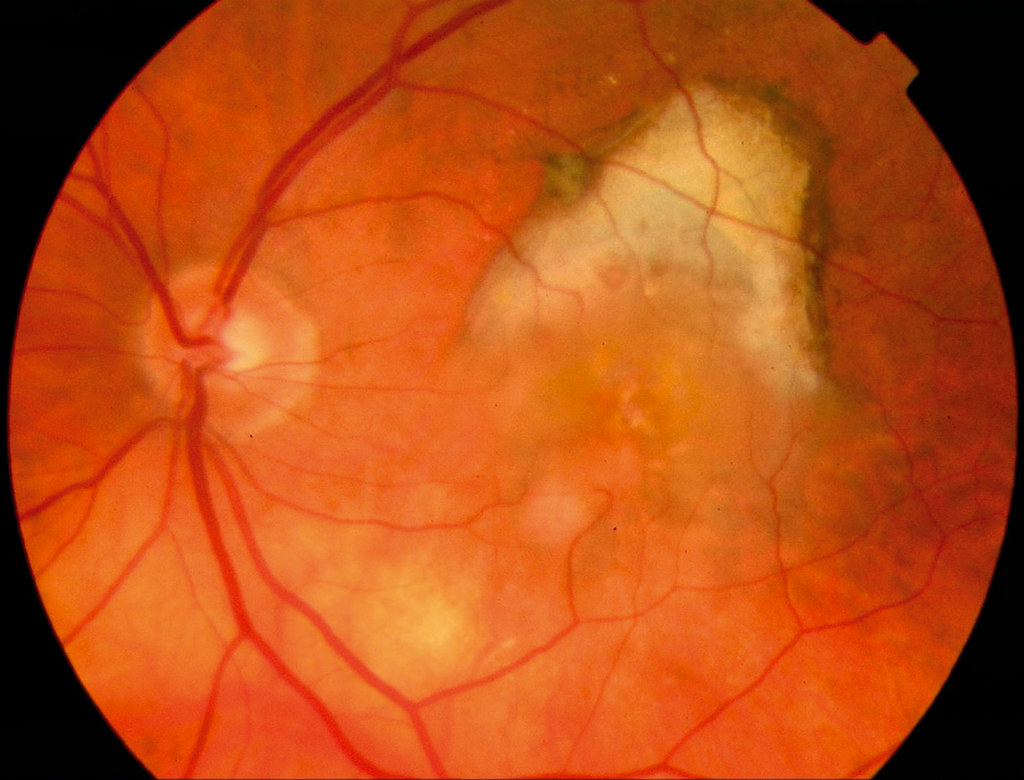
Living with macular degeneration can cause changes in vision that affect daily routines, independence, and overall well-being. Learning how to manage the effects of age-related macular degeneration (AMD) can help individuals adapt and maintain function in everyday activities. Here is a closer look at what it means to live with AMD:
Recognizing Daily Challenges
AMD changes how a person sees the world around them, and these changes show up in predictable ways. The following are common ways the condition affects everyday activities:
- Reading: Blurred or missing central vision makes reading text difficult, especially small print.
- Facial recognition: People with AMD often struggle to see faces clearly, even at close range.
- Driving: Central vision loss can make it unsafe to drive, especially at night.
- Color perception: Wet AMD reduces the ability to distinguish colors accurately.
- Light sensitivity: Bright lights and glare become harder to tolerate.
- Depth perception: Judging distances, such as steps or curbs, becomes less reliable.
These effects vary depending on the stage and type of macular degeneration a person has. Recognizing them early helps set realistic expectations and guides decisions about daily routines and care.
Adapting to Vision Changes
Adapting to vision changes from macular degeneration takes planning; people find helpful ways to stay active and independent. Lighting is one of the fundamental adjustments. Bright, focused task lighting reduces eye strain, and it can make activities like cooking or writing much easier to manage. Positioning light sources directly over work areas, rather than behind the person, also helps maximize the remaining vision.
Using contrast is another practical strategy; high-contrast materials make objects easier to locate and identify. People with AMD may also find it helpful to keep their living spaces organized and consistent, because knowing where objects are reduces reliance on central vision. Changes like these can support greater independence at home.
Using Supportive Tools
A wide range of tools and technologies helps people with macular degeneration perform daily tasks more effectively. The following options are commonly recommended:
- Screen magnification software: Programs enlarge text and images on computer screens.
- Text-to-speech apps: Applications that read text aloud from books, emails, and websites.
- Electronic magnifiers: Handheld or desktop devices that display enlarged images on a screen.
- Smart home devices: Voice-activated assistants reduce the need for visual tasks.
- Large-print materials: Keyboards, clocks, phones, and books are available in large-print formats
Each of these tools addresses a specific challenge posed by AMD. A low vision specialist or occupational therapist can help identify which combination of tools best fits a person’s lifestyle and level of vision loss.
Pursuing Ongoing Care
Ongoing care is a fundamental part of managing macular degeneration, because the condition can progress even with treatment. Regular eye exams allow specialists to monitor changes in the macula and adjust treatment plans accordingly. For wet AMD, anti-VEGF injections are a standard treatment that slows the growth of abnormal blood vessels, and consistent follow-up appointments help make sure the treatment stays effective.
Vision rehabilitation is a structured program that teaches people how to use their remaining vision more efficiently. It generally includes low vision therapy, orientation and mobility training, and instruction in adaptive techniques. Rehabilitation specialists work with patients to build practical skills, such as relying on peripheral vision when central vision is impaired. This kind of training can significantly improve a person’s ability to function independently.
Schedule Your Macular Degeneration Appointment
Living with macular degeneration involves adjusting to vision changes, using the right tools, and staying connected with a care team. Recognizing how the condition affects daily life is the first step. Practical strategies and adaptive technologies can help maintain independence, while ongoing care and vision rehabilitation support long-term function. If you or a family member is experiencing vision changes, contact a qualified ophthalmologist near you to schedule your macular degeneration appointment today.