Plantar Fasciitis is a common cause of heel pain, often affecting daily comfort and mobility. While medical treatment offers relief, many people overlook the role that simple, consistent lifestyle changes play in reducing symptoms and preventing flare-ups. Here’s more information on lifestyle adjustments that help in managing plantar fascia pain:
Reducing Heel Pain
Simple changes to your daily routine can make a significant difference in managing plantar fasciitis. Here are a few fundamental practices to incorporate into your day:
- Wear supportive shoes: Shoes with good arch support and cushioning are key to reducing stress on the plantar fascia. Avoid walking barefoot on hard surfaces and select footwear that supports your foot’s natural structure.
- Maintain a healthy weight: Extra weight increases the pressure on your feet, worsening heel inflammation. Managing your weight through diet and appropriate exercise alleviates this strain.
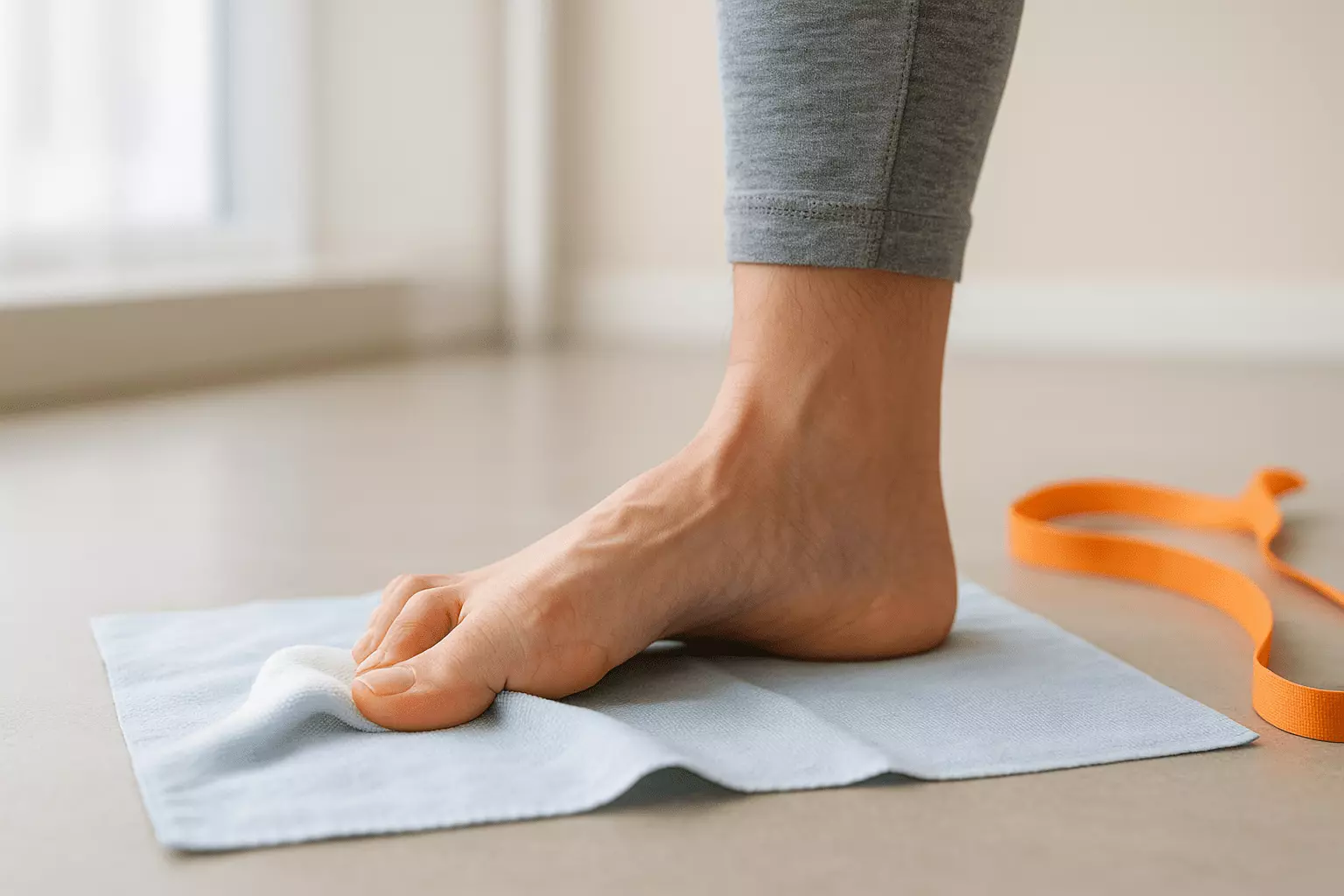
- Perform daily stretches: Gentle stretching exercises for your calves and Achilles tendon help relieve tension in the plantar fascia. A consistent stretching routine improves flexibility and reduces pain over time.
These daily habits are a fundamental component of managing plantar fasciitis, and they work best when practiced consistently.
Making Smart Choices
The way you move and exercise can directly affect your heel pain. High-impact activities such as running or jumping can put excessive strain on your plantar fascia, so you may need to modify your physical activities. Contemplate low-impact activities such as swimming or cycling; these allow you to stay active without putting pressure on your feet. Gradually increase the intensity of any new exercise routine to give your body time to adjust.
When you do engage in physical activity, make sure you warm up properly and cool down afterward with gentle stretches. Listen to your body and rest when you feel pain. Pushing through the discomfort can lead to further injury and prolong your recovery.
Calming Inflammation
Several at-home treatments can soothe heel inflammation and provide temporary relief from plantar fascia pain. Applying an ice pack to your heel for about 15 minutes at a time can reduce swelling and numb the area. You can do this several times a day, especially after prolonged standing or activity.
Over-the-counter nonsteroidal anti-inflammatory drugs (NSAIDs) may help manage pain and inflammation; they should be used as directed. Resting your feet whenever possible is another key way to calm inflammation. Elevating your feet also reduces swelling and provides some relief from the discomfort.
Getting Professional Support
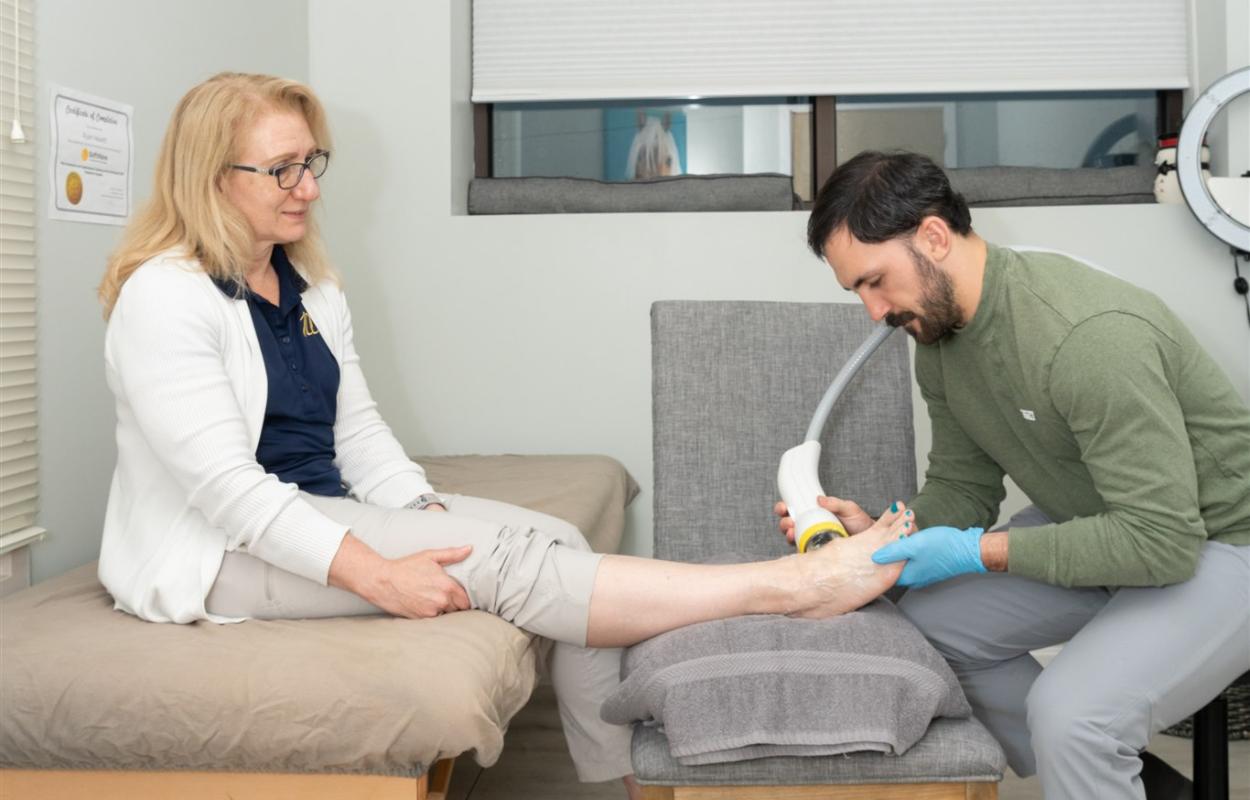
While lifestyle changes are helpful, some cases of plantar fasciitis require professional medical attention. It is a good idea to seek an evaluation from a podiatrist in certain situations:
- Persistent pain: If your heel pain does not improve after several weeks of home care, a professional can provide advanced treatments.
- Severe discomfort: When the pain is so severe that it interferes with your daily activities, it’s time to see a specialist.
- Uncertainty about the cause: If you are unsure whether your heel pain is from plantar fasciitis or another condition, a proper diagnosis is fundamental.
A podiatrist can provide a definitive diagnosis and recommend appropriate treatments.
Book Your Plantar Fasciitis Evaluation
Making lifestyle adjustments is a fundamental step in managing the symptoms of Plantar Fasciitis. Individuals can reduce heel pain and support their recovery by incorporating supportive daily habits, choosing appropriate activities, and using home remedies. If your pain persists or is severe, contact a qualified foot specialist near you to schedule your evaluation today.