
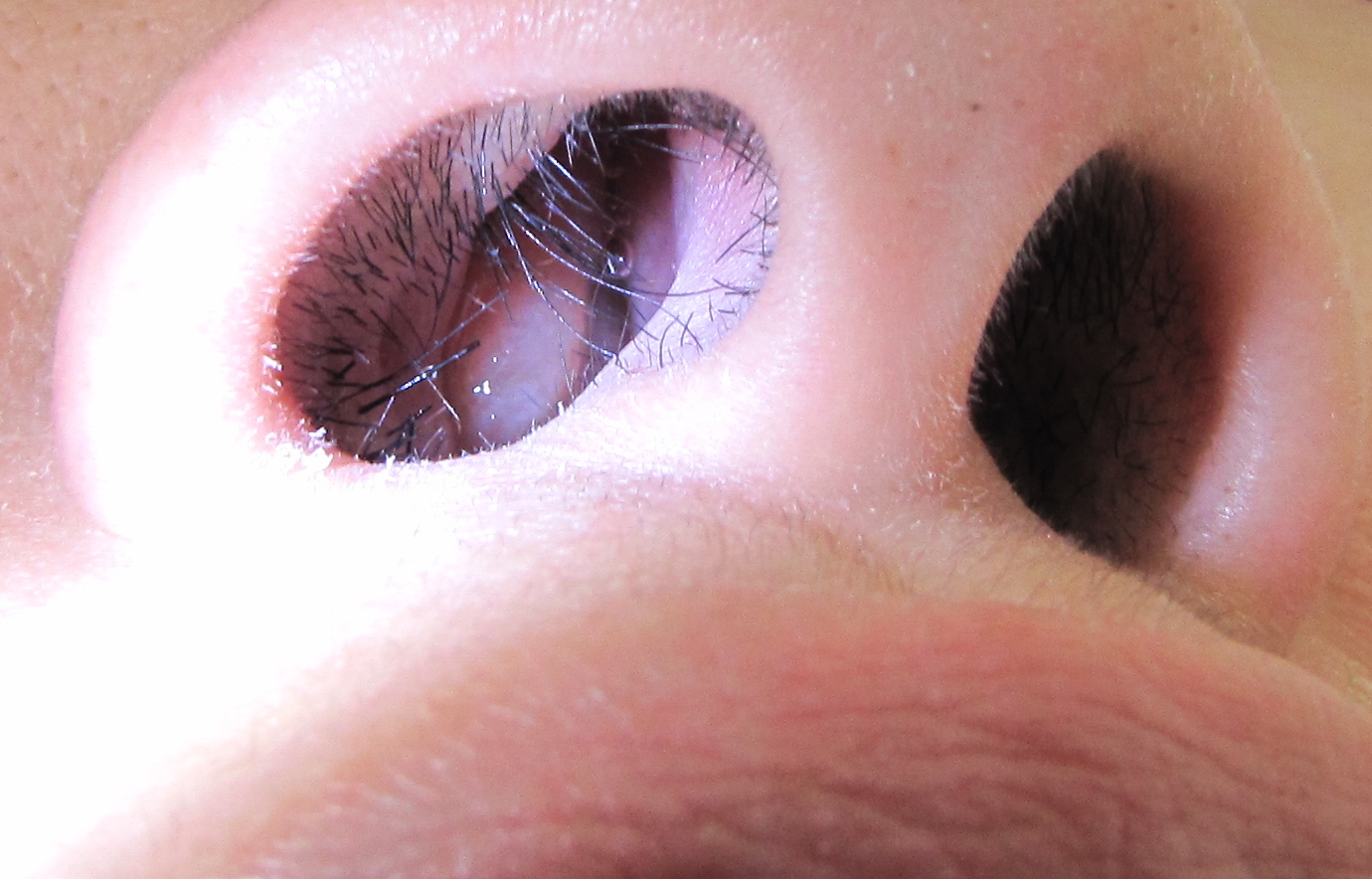
Nasal polyps are a condition that can affect an individual’s day-to-day life. These growths within the nasal passages or sinuses may interfere with breathing, disrupt sleep, and diminish the sense of smell, collectively impacting overall quality of life. An awareness of this condition and the approaches to manage it can empower individuals to work effectively with healthcare providers. Ongoing management is often a key component in navigating life with nasal polyps, helping to alleviate symptoms and maintain nasal health over time.
What Are Nasal Polyps?
Nasal polyps are soft, noncancerous growths that develop on the lining of the nose or sinuses. They often appear as teardrop- or grape-shaped growths and can vary in size. These polyps can form in the upper part of the nasal passages or within the sinus cavities, which are the air-filled spaces behind the cheeks, nose, and forehead.
While the exact cause is not fully understood, their development is generally linked to chronic inflammation of the mucous membranes. This persistent inflammation may be associated with various conditions. Factors often associated with the formation of nasal polyps include recurrent sinus infections, allergies, and certain immune responses. Because they are soft and lack sensation, small polyps may go unnoticed for some time.
What Are the Symptoms?
The presence of nasal polyps can lead to a range of symptoms that vary in intensity from one person to another. One of the most common experiences is nasal blockage, which creates a sensation of a persistently stuffy or congested nose. This obstruction can make breathing through the nose difficult.
Other frequent symptoms include a persistent runny nose, with mucus dripping down the back of the throat, a condition known as post-nasal drip. Some individuals experience recurrent sinus discomfort or pressure in the face and forehead. A reduced sense of smell and taste is also a characteristic symptom. In some cases, people may also report dull headaches and snoring. The combination of these symptoms can disrupt daily routines and negatively impact sleep quality, resulting in fatigue and a general sense of feeling unwell.
How Are They Treated?
The management of nasal polyps is tailored to the individual, focusing on reducing symptoms and addressing the underlying inflammation. One common approach involves the use of topical nasal steroids. These medications, typically administered as a nasal spray, can help reduce inflammation directly in the nasal passages and may shrink or slow the growth of polyps. For more severe inflammation or persistent symptoms, a short course of oral steroids may be prescribed to provide more widespread and rapid relief.
When underlying conditions, such as allergies or infections, contribute to inflammation, medications targeting those issues may be used. Antihistamines could be suggested for allergies, while antibiotics may be used if a bacterial sinus infection is present. In situations where medications do not provide adequate relief, surgical removal may be discussed. This procedure is performed to clear the nasal passages and sinuses, which can improve breathing and the sense of smell. Following surgery, ongoing medical management is often recommended to help prevent recurrence.
Seek Professional Medical Care
A proactive approach to managing nasal polyps involves collaboration with a qualified medical professional. Living with a chronic condition like polyps requires realistic expectations. Management is often a long-term process aimed at controlling symptoms and maintaining a good quality of life. Open communication with a healthcare provider helps in adapting the treatment plan as needed over time.