
Chronic pain is a persistent condition that affects millions of people, and its prolonged nature can interfere with daily life. By learning about chronic pain, individuals can make more informed decisions about their health and treatment paths. Here is more information on chronic pain management:
What Is Chronic Pain?
Chronic pain is defined as pain that lasts for more than 3 months, and it can persist even after the initial injury or illness has healed. Unlike acute pain, which is a normal sensation that alerts individuals to possible injury, chronic pain signals in the nervous system can remain active for weeks, months, or even years. This continuous discomfort often requires a structured approach known as chronic pain management to improve function and quality of life.
What Causes It?
The origins of chronic pain are diverse, and sometimes a clear cause cannot be identified. It may begin with an initial injury, such as a sprained back, or with an ongoing cause, such as arthritis. In some cases, chronic pain develops without any prior injury.
Factors such as genetics and lifestyle can influence the development of chronic pain. Conditions like fibromyalgia and endometriosis may cause widespread chronic pain. Identifying the source of the pain is a key part of developing an effective treatment plan, and a chronic pain specialist is a valuable partner in this process.
What Are the Accompanying Symptoms?
Other physical symptoms often accompany chronic pain, and these vary widely among individuals. People may experience fatigue, sleep disturbances, and a decreased appetite. These symptoms can make it difficult to perform daily activities, so managing them is a part of the overall treatment.
What Does Chronic Pain Management Involve?
Chronic pain management is a multidisciplinary approach designed to reduce pain and improve a person’s ability to function. Treatment plans are individualized and may include a combination of medical treatments, lifestyle changes, and therapies. The goal is to provide relief, and this may involve exploring several options.
Medical treatments range from medications to more specialized procedures. Some treatments include:
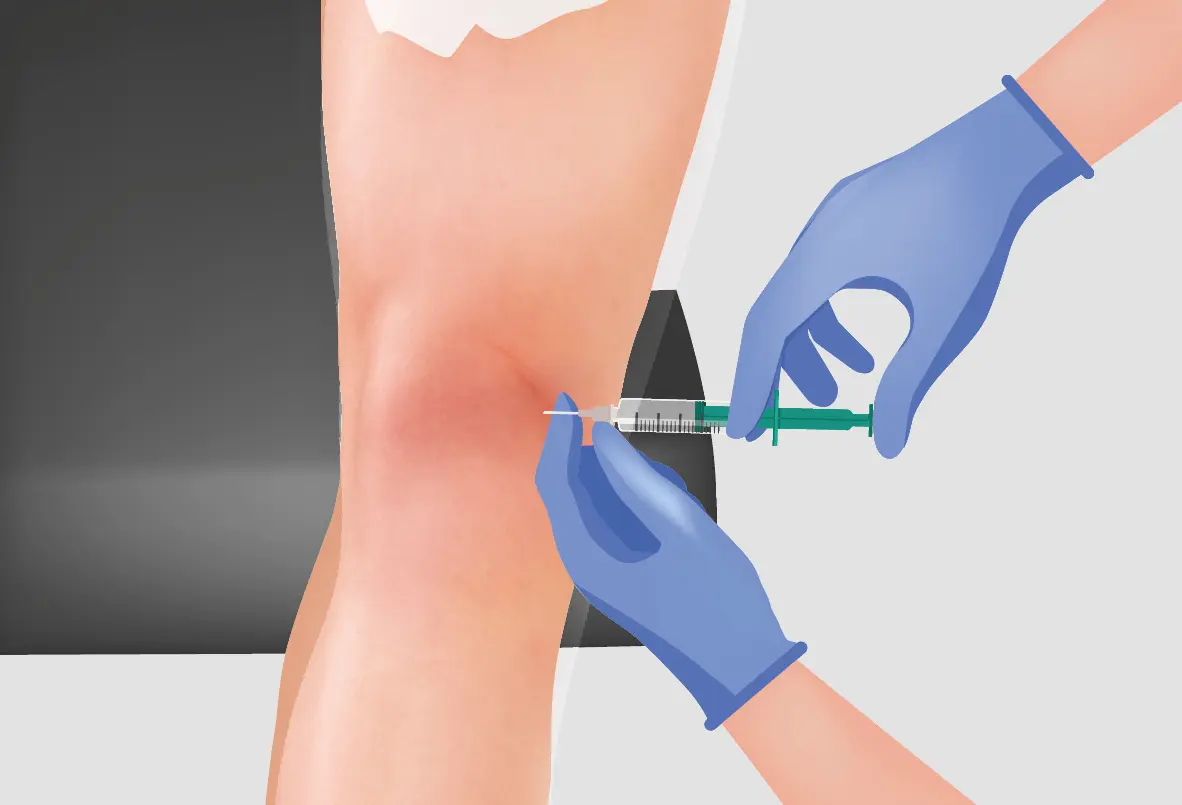
- Steroid Injections: These help reduce inflammation and relieve pain in specific areas.
- Nerve Blocks: This treatment interrupts pain signals sent to the brain.
- PRP Therapy: Platelet-rich plasma (PRP) therapy utilizes a concentration of a patient’s own platelets to promote healing and reduce pain.
Other advanced procedures may be recommended depending on the specific condition. These include radiofrequency treatments and intravenous (IV) infusion therapy. Each of these treatments targets pain in a different way, and a specialist will determine the appropriate course of action.
How Is Professional Guidance Beneficial?
Seeking professional guidance is a constructive step in managing chronic pain, as specialists provide a diagnosis and create a tailored treatment plan. A pain management specialist has the expertise to evaluate the underlying cause of the pain and recommend appropriate interventions. This guidance helps individuals navigate the complexities of their condition.
A professional can also offer access to a range of treatments that may not be available through general practice. They monitor progress and adjust treatment plans as needed to make sure patients receive ongoing support. This collaborative approach helps individuals reduce the impact of pain.
Relieve Your Pain Today
Chronic pain is a complex condition with a variety of causes and accompanying symptoms, but effective management strategies are available. From medical treatments like nerve blocks to lifestyle adjustments, a structured approach can provide relief. By working with a specialist, you can find a treatment plan that addresses your specific needs. Seek professional guidance today.