
Chest pain manifests in many ways, from a sharp stab to a dull ache. Some people experience a crushing or burning sensation, and it may travel up their neck, into their jaw, and radiate. Since numerous problems can cause this form of pain, each with distinct characteristics, proper diagnosis is necessary. Here is more information to help you communicate symptoms to a medical professional:
Acid Reflux
Acid reflux is a condition that can be mistaken for heart issues. The pain typically feels like a burning sensation, so some people refer to it as heartburn. When stomach acid frequently flows back into the tube connecting your mouth and stomach, it irritates the lining of the esophagus. This irritation leads to the sensation of chest pain. Certain foods and drinks may trigger acid reflux episodes, including:
- Spicy or fatty foods
- Chocolate
- Caffeine and alcohol
Angina Pain
Angina is a type of chest pain that results from reduced blood flow to the heart muscle. It may be a symptom of coronary artery disease, and it requires medical evaluation. This pain may manifest as squeezing, pressure, or tightness in the chest.
An episode of angina pain typically lasts for a short time, normally just a few minutes. It may occur during physical exertion, as the heart requires more oxygen-rich blood than the narrowed arteries can deliver. The discomfort usually subsides with rest. Other symptoms, like shortness of breath or fatigue, may accompany the chest pressure.
Different types of angina exist. Stable angina is a predictable form of angina. Unstable angina is less predictable and more dangerous because it may signal an impending heart attack. You may manage stable angina with lifestyle changes, but unstable angina is a medical emergency.
Anxiety Attack
An anxiety attack may produce chest pain that resembles heart attack pain. This makes it a frightening experience for many people. The body’s fight-or-flight response may be activated during an attack, releasing a flood of hormones. These hormones cause your heart to beat faster and your muscles to tense up, which may lead to pain.
The pain from an anxiety attack may feel sharp or stabbing. You might also experience a racing heart and shortness of breath. The onset may be sudden when you are feeling intense fear or distress. It is difficult to distinguish between other causes of pain without a medical examination.
Echocardiogram Diagnosis
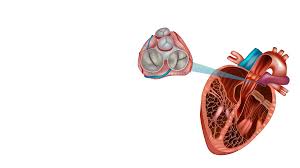
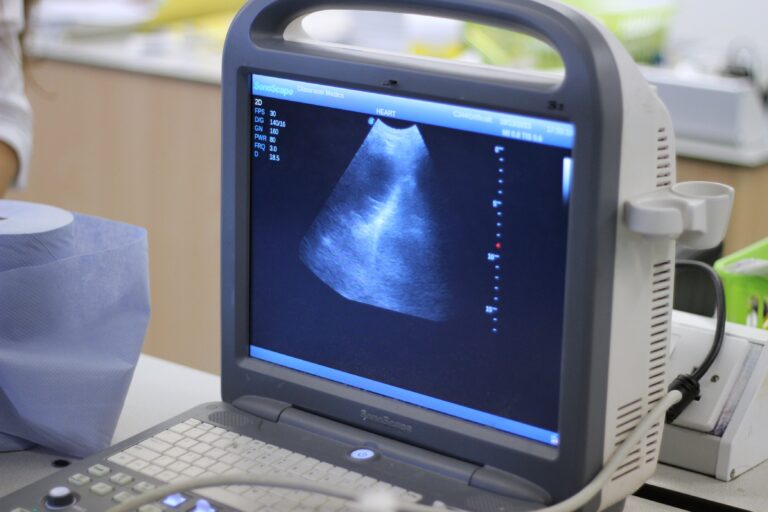
An echocardiogram is a test that uses sound waves to produce live images of your heart. When a person presents with chest pain, doctors may use this tool to investigate the cause. The test shows your heart beating and pumping blood, which helps a doctor assess its health and function. This non-invasive procedure provides a wealth of information about your heart valves and chambers.
Get Chest Pain Examined
Any instance of chest pain requires a professional medical examination. While some causes are less serious, others relate to the heart and require immediate attention. A healthcare provider may perform tests to identify the source of the pain, so you may begin the correct course of action. If you experience pain in your chest, seek a medical evaluation to determine the cause.