
PCOS symptoms can look very different from one person to the next, which is why the condition is often misunderstood or overlooked. Some people experience irregular periods, while others notice changes in their skin, hair, or fertility. Here is an overview of common PCOS symptoms:
Cycle-Related and Fertility Signs
One of the PCOS symptoms frequent in women is disruptions to the menstrual cycle. Women with PCOS often experience irregular periods, which means their menstrual cycles occur more than 35 days apart. When ovulation does not occur, the uterine lining does not shed as it does during a normal menstrual cycle. This can lead to missed periods or, in some cases, exceptionally heavy periods when they finally arrive. The absence of regular ovulation is a fundamental factor that complicates a woman’s ability to conceive naturally.
Infertility is a common concern for patients diagnosed with this hormonal disorder. The unpredictability of ovulation makes it difficult to identify the fertile window, and conception becomes a challenge without medical intervention. Medical professionals deliberate on various treatments, such as ovulation-inducing medications, to assist women who are trying to get pregnant.
Androgen-Related Changes
Elevated levels of androgens, which are male hormones, cause several physical changes in women with PCOS. High androgen levels are part of PCOS symptoms that manifest externally, and these physical signs are often what prompt women to seek medical advice. These symptoms include:
- Excess Body Hair: A condition known as hirsutism results in excessive hair growth on the face, chest, and back.
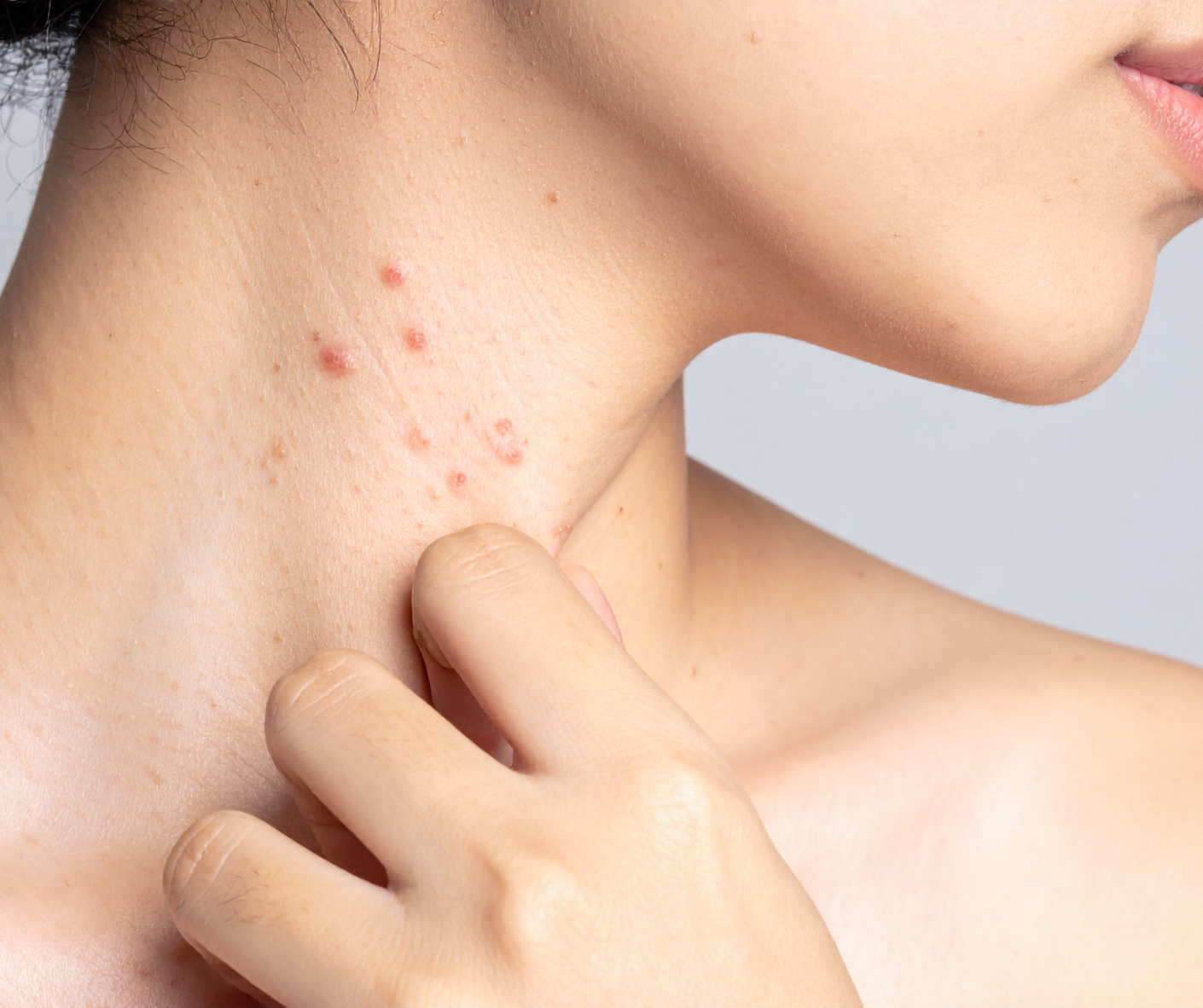
- Severe Acne: Hormonal fluctuations can cause oilier skin, leading to breakouts that are often deeper and more painful than typical acne.
- Male-Pattern Baldness: Some women notice scalp thinning or a receding hairline, similar to male-pattern baldness.
These physical manifestations are direct results of hyperandrogenism, and they often require specific anti-androgen medications to manage effectively.
Metabolic Whole-Body Shifts
PCOS is also a metabolic condition that affects how the body processes insulin and stores energy. Insulin resistance is a common PCOS symptom in many women, leading the body to produce more insulin than necessary to maintain normal blood sugar levels. This symptom often presents as:
- Weight Gain: Many women struggle to maintain a healthy weight, and excess weight often accumulates around the abdomen.
- Difficulty Losing Weight: Despite diet and exercise, metabolic resistance makes weight loss significantly harder compared to women without the condition.
- Skin Darkening: Patches of dark, velvety skin can appear in body creases such as the neck, groin, and under the breasts.
Addressing these metabolic factors is key to long-term health, as they can increase the risk of developing type 2 diabetes and cardiovascular disease.
Inflammation-Linked and Mood Signs
Chronic low-grade inflammation is a less visible but equally fundamental PCOS symptom. Blood tests often reveal elevated levels of inflammatory markers in women with this condition, suggesting that the body’s immune system is constantly active. This contributes to higher androgen levels and can exacerbate heart and blood vessel problems over time. This condition also causes repeated pauses in breathing during the night, which leads to poor sleep quality and daytime fatigue. Women with PCOS, especially those who carry excess weight, are at a higher risk for developing obstructive sleep apnea compared to the general population.
Manage Your Pcos Symptoms Today
PCOS presents a diverse array of symptoms that affect each woman differently. Identifying these signs early allows for proactive treatment that improves quality of life and reduces long-term health risks. Contact a qualified gynecologist near you to book your appointment and get expert advice for managing PCOS symptoms today.