
When your toenail grows into the surrounding skin, it can cause swelling, tenderness, and redness. Ingrown toenails often result in discomfort, making it difficult to walk freely or wear certain shoes. Some cases improve with basic home care, but others require guidance from a healthcare professional. Here’s information about ingrown toenails and how to treat them:
Identifying Causes of Ingrown Toenails
Ingrown toenails are a common foot condition, and several factors contribute to them. They can develop if you trim your toenails too short, especially when rounding the corners. Tight or narrow footwear presses on the toes, forcing the nail to push into soft tissue. Injuries to the toe or certain inherited nail shapes also play a role. Pay attention to these patterns if you experience frequent toenail issues; this can make it easier to address the underlying cause, adjust your habits, and prevent future discomfort.
Determining When To Seek Help
Watch for signs such as persistent pain, swelling, or the presence of pus. Recurring issues or symptoms should prompt you to schedule an appointment; this includes spreading redness or warmth around the nail area. People with medical conditions like diabetes or circulation problems should consult a doctor early, as ignoring symptoms may increase the risk of complications. A foot and ankle specialist will examine the affected toe, determine the severity of the ingrown nail, and recommend a suitable treatment.
Exploring Treatment Approaches
A doctor’s approach begins with a careful examination to understand the severity of the toenail problem. Several treatment strategies exist, depending on your individual needs.
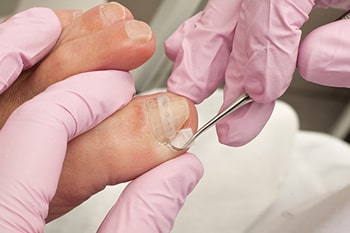
- For mild cases: The doctor may gently lift the affected edge of the nail and place a small piece of cotton or a soft splint beneath it. This method helps train the nail to grow above the skin, rather than into it. You may receive advice to soak your foot in warm water and to change the cotton regularly.
- For deeper or infected nails: Some healthcare providers will recommend a minor in-office procedure. After numbing the toe for comfort, the doctor will trim and remove the ingrown portion. This approach releases the pressure promptly, and it allows the toe to recover.
If you repeatedly get an ingrown toenail, doctors may contemplate a more lasting solution. This involves removing the ingrown nail edge along with a portion of the underlying tissue, sometimes with the help of special chemicals. The goal is to prevent regrowth in the troublesome area.
Preventing Recurring Ingrown Toenails
Once treatment ends, the focus shifts to preventing a recurrence. Foot and ankle doctors share recovery instructions designed to promote healing and maintain healthy nails. Recommendations may include:
- Trim your toenails straight across, and avoid creating rounded edges that encourage nails to grow inward.
- Wear shoes and socks that fit well and provide enough space for your toes to move comfortably.
- Keep your feet clean and dry, which supports good nail and overall foot health.
Find Ingrown Toenail Relief
Ingrown toenails, while common, may hinder your routine and comfort. Recognizing key warning signs, such as pain and swelling, and knowing what to expect from a doctor’s visit makes the process more manageable. If you’re dealing with persistent or worsening toenail symptoms, reach out to a foot and ankle specialist to discuss their treatment options.