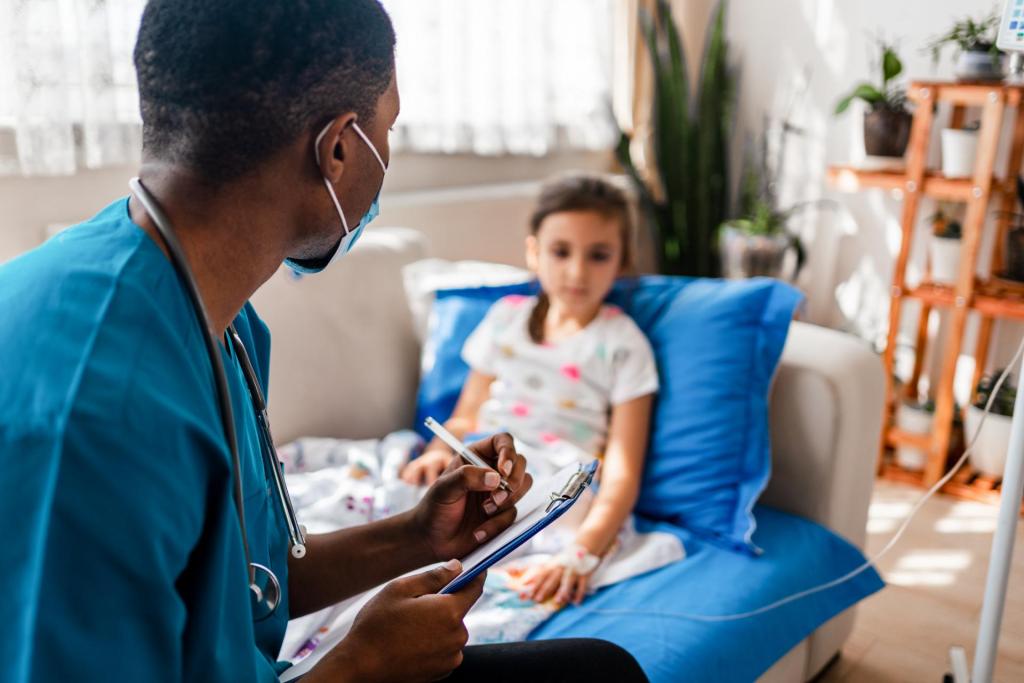

Well child exams are a series of preventive health visits for children, and these appointments provide a framework for tracking growth and development. While your child is healthy, a provider performs a physical examination and discusses their overall well-being. This structured approach to pediatric care focuses on prevention and developmental tracking. Here is more information about the health benefits of well child exams:
Early Detection
To allow for timely intervention, a provider can identify potential health issues before they become more serious. A physical exam may reveal a subtle heart murmur or an unusual growth pattern. A provider then documents these findings. The exam also serves as a baseline, so future changes are more apparent.
During these visits, vision and hearing screenings are standard procedures. These tests are simple, yet they identify sensory impairments that might affect learning. A child’s responses are recorded, and further evaluation may be recommended.
Providers also check for developmental delays. They might ask you about specific milestones your child has reached, and this may include delays in speech, motor skills, or social interaction. Using this information, they can create a plan if developmental support is needed.
Regular Monitoring
Regular monitoring is a key component of a well child exam. To identify any issues, providers track your child’s growth using standardized charts. These charts compare your child’s height, weight, and head circumference to established norms for their age and gender.
The consistent nature of these check-ups allows providers to observe patterns over time. A single measurement gives limited information, but a series of measurements creates a growth curve. This curve offers a clearer picture of your child’s physical development. Providers review this data with you at each appointment, and you have the opportunity to ask questions.
Diagnostic Testing
When a provider notices something unusual during an exam, they may suggest diagnostic testing. These tests help gather more information about a potential health concern. A blood test is a standard tool. It is used to detect conditions such as anemia or elevated lead levels. The results of these tests give a clearer picture of your child’s internal health. Other diagnostic procedures might include:
- Urine tests
- Allergy tests
These tests are ordered based on specific findings, and these can be gathered from the physical exam or your family’s health history. If a skin rash is present, a provider might recommend an allergy panel. The goal is to obtain objective data that informs next steps in your child’s care.
Mental Health Screenings
Mental health is a part of your child’s overall health. Providers may use standardized questionnaires to screen for behavioral and emotional concerns. These screenings are a routine part of many exams, especially for older children and teenagers. They ask questions about mood, social interactions, and feelings.
Schedule a Well Child Exam
A well child exam is a proactive step in managing your child’s health. It builds a comprehensive health history over time. Following a recommended schedule for these visits allows for consistent oversight from infancy through the teenage years. Contact a primary care clinic to schedule your child’s next exam.