Dermatology plays a key role in helping people understand and manage the skin issues they face every day. From breakouts to rashes, these conditions can be uncomfortable and sometimes confusing without the right guidance. Learning how to treat common skin conditions supports healthier skin and prevents symptoms from getting worse over time. Here’s more information on how to treat common skin conditions:
What Are Common Skin Problems?
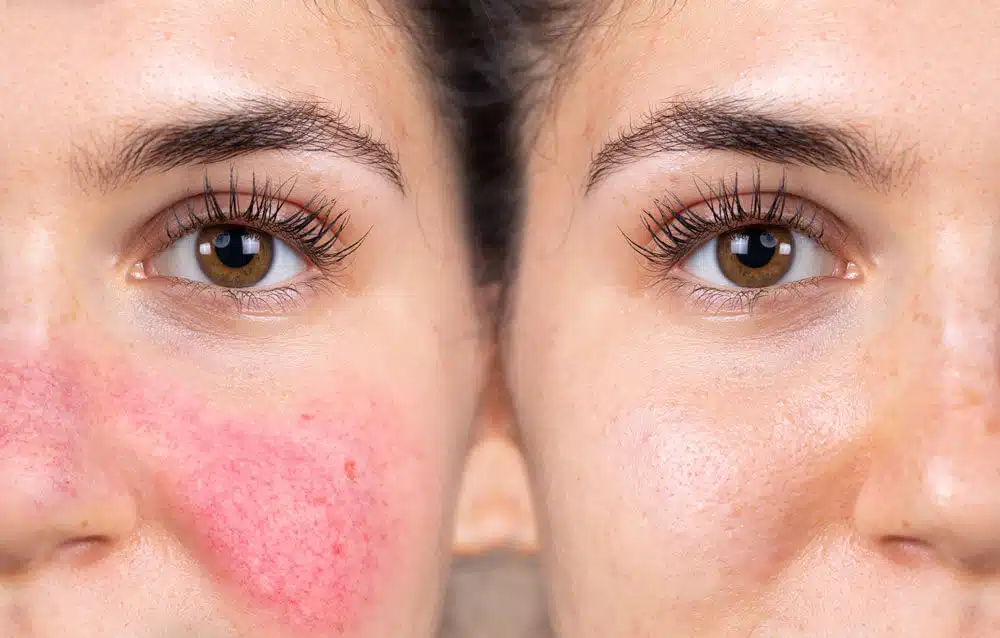
Dermatology plays a fundamental role in identifying and effectively managing common skin problems. Some of the conditions dermatologists encounter frequently include acne, eczema, psoriasis, and rosacea. Acne appears as pimples, blackheads, or whiteheads, often on the face, neck, chest, and back. Eczema presents as dry, itchy, and inflamed patches of skin, while psoriasis involves thick, red, scaly patches. Rosacea is another common condition that causes facial redness, visible blood vessels, and sometimes small, red bumps. Recognizing these symptoms helps you seek the right care.
Which Habits Improve Your Skin?
Certain daily habits can support your skin’s healing and help prevent worsening of conditions. Contemplate integrating these practices into your routine.
- Gentle Cleansing: Use a mild, fragrance-free cleanser to wash your face twice a day, and avoid harsh scrubbing, which can irritate the skin.
- Moisturizing Regularly: Applying a hypoallergenic moisturizer after washing helps lock in moisture; this is key for conditions like eczema.
- Sun Protection: Daily use of a broad-spectrum sunscreen with at least SPF 30 protects against sun damage, which can trigger or worsen many skin issues.
- Balanced Diet: A diet rich in fruits, vegetables, and whole grains supports overall skin health.
These simple adjustments can make a noticeable difference in managing your skin and promoting its natural healing functions.
What Treatments Help?
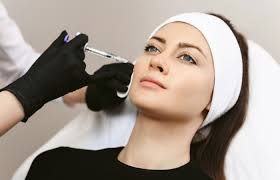
When at-home care is not enough, a dermatology specialist can offer professional treatments tailored to your specific condition. These treatments manage symptoms and improve your skin’s health. Here are some treatments specialists recommend:
- Topical Medications: Creams, lotions, and gels containing retinoids, corticosteroids, or antibiotics are often prescribed to reduce inflammation and clear up breakouts.
- Oral Medications: For severe conditions, a dermatology specialist may prescribe oral antibiotics or other systemic drugs to target the root cause.
- Light Therapy: Phototherapy, which uses controlled exposure to ultraviolet light, can be effective for treating psoriasis and eczema.
- Laser Treatments: Laser procedures are often used to reduce redness from rosacea or improve the appearance of acne scars.
A dermatology specialist will evaluate your condition and recommend the most appropriate treatment plan for your needs.
When Should You See Specialists?
Recognizing when to consult a dermatology specialist is key to maintaining optimal skin health. Any persistent skin conditions, such as acne, eczema, or psoriasis, that do not respond to over-the-counter treatments warrant professional evaluation. Changes in the appearance of moles, such as irregular borders, asymmetry, or rapid growth, may signal the presence of potential skin cancers and should be examined promptly. Early intervention by a specialist can prevent minor issues from becoming more severe. Routine skin check-ups are also recommended, especially for individuals with a history of skin cancer or significant sun exposure. Dermatology specialists are equipped to perform thorough skin assessments and to identify risks that may not be immediately visible to the eye.
Schedule Your Dermatology Checkup Today
Managing common skin conditions requires recognizing symptoms, adopting healthy habits, and knowing when to seek professional help. From acne to rosacea, a combination of daily care and dermatological treatments can lead to healthier skin. For persistent skin conditions, contact a trusted dermatology specialist in your area to schedule your checkup today.