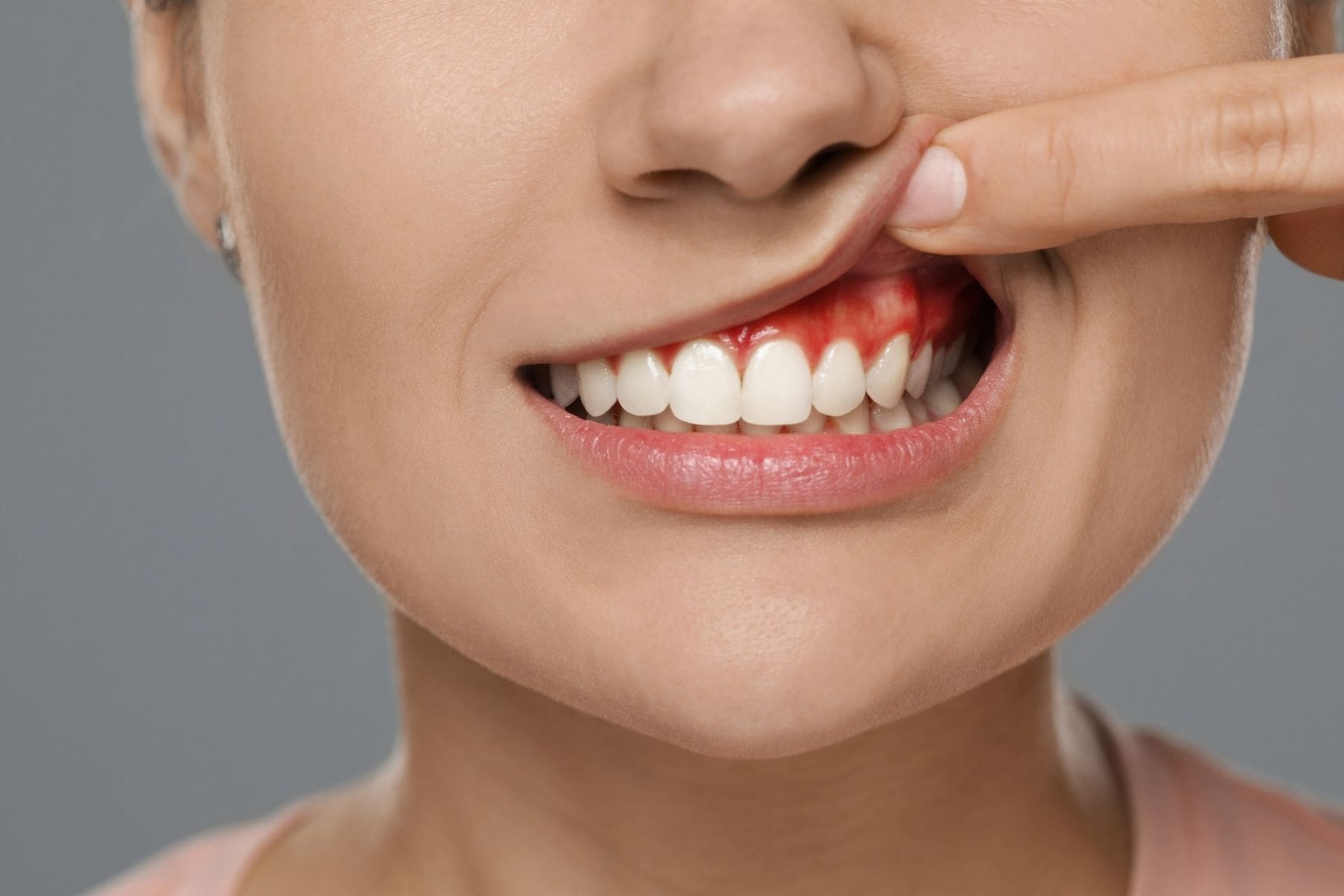

Dental emergencies require immediate attention. Being prepared to respond can make a significant difference in outcomes. Understanding how to act in urgent situations can help you support timely emergency dental care for yourself.
What Is Emergency Dental Care?
Emergency dental care involves rapid evaluation and treatment of oral injuries or conditions that require immediate attention to alleviate pain or prevent further complications. These services focus on stabilizing symptoms such as severe pain, bleeding, or dislodged teeth. Patients experiencing urgent dental problems are encouraged to contact their dentist promptly. Emergency care is provided for both adults and children, depending on the nature of the emergency.
What Issues Does It Treat?
A dental emergency can take many forms, each requiring specific action to address the issue effectively. Knocked-out teeth are a common emergency, often resulting from trauma or accidents. Swift intervention may increase the chances of preserving the tooth. Chipped, cracked, or broken teeth can cause pain and lead to further complications if not treated promptly. A severe toothache may indicate underlying problems such as infection or decay, and should be addressed by a dental professional.
Emergency dental care also addresses issues with dental restorations, such as crowns or bridges that are dislodged, broken, or lost. In these cases, immediate care helps protect sensitive tooth tissue and prevents additional injury. Prompt dental intervention not only minimizes the severity of pain and damage but also helps preserve your natural teeth and reduce the risk of further oral health complications.
How Should You Prepare?
In an emergency, the actions you take depend on the specific situation. When a permanent tooth is knocked out, you should pick up the tooth by the crown, handle it gently, and avoid touching the root. Rinse the tooth with cool tap water, taking care not to scrub it. If possible, attempt to place the tooth back into its socket in the mouth. If this isn’t feasible, store the tooth in your cheek to keep it moist until you can reach the dentist.
If you experience damage to a dental restoration, such as a crown or bridge, collect the pieces and place them in a clean plastic bag or some foil. Attempting home repairs is not recommended. To reduce the risk of discomfort or injury from exposed or sharp tooth edges, you can place a small piece of wax over the area while you wait to see the dentist.
A severe toothache should be managed first by gently rinsing your mouth with warm saltwater. Use dental floss to remove any debris trapped between the teeth carefully. If pain continues or worsens, contact your dental provider promptly for guidance and an appointment.
When calling for emergency dental care, provide a clear description of the situation. This includes details of pain, swelling, other symptoms, and the time of injury. You may bring any dental or medical records requested by your provider, along with a list of current medications, to facilitate safe and efficient treatment during your visit.
Seek Immediate Dental Care
Prompt evaluation by a dental professional can reduce the risks associated with dental emergencies, such as infection or permanent tooth loss. Emergency dental teams are trained to diagnose and manage problems like trauma, bleeding, and damaged teeth. Following your emergency visit, additional appointments may be scheduled as needed to complete necessary restorative or follow-up care. If you encounter an urgent dental issue, contact your dental provider without delay and follow any pre-appointment instructions to help address your needs quickly and safely.