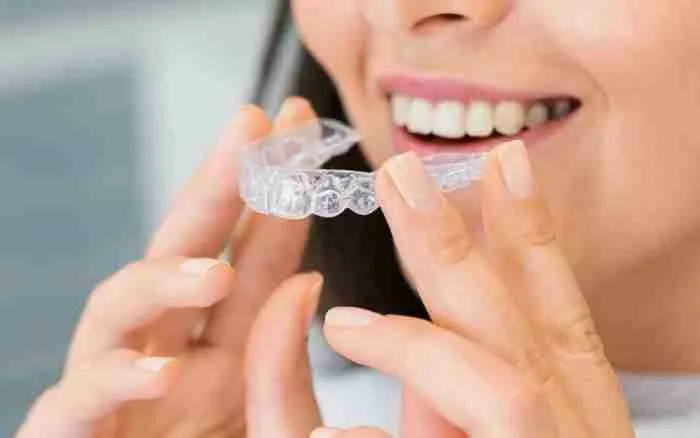
Clear aligners require consistent wear and routine checkups that guide each phase of orthodontic treatment. Invisalign is a removable system that uses custom trays to apply planned pressure to targeted teeth. Aligners must remain clean, intact, and properly seated to support each stage of movement. Improper handling can interrupt progress because Invisalign trays follow a specific sequence that depends on accurate timing.
Daily Aligner Care
Invisalign aligners require regular cleaning to keep the trays clear and free of buildup. Rinsing with water removes loose debris without altering the shape of the plastic. Using a soft brush helps clean the interior surfaces while avoiding scratches that make trays more noticeable. Avoid hot water because temperature changes can distort the thermoplastic materials used in aligner systems.
Routine handling also affects how trays fit. Washing hands before placement reduces the transfer of particles that collect around the edges. Secure seating helps maintain the planned pressure points formed during manufacturing, and returning trays to the case prevents accidental bending that disrupts alignment paths.
Tracking Wear Time
Aligners require consistent wear, and trays must remain in place for the majority of each day to stay effective. Most systems require 20–22 hours of wear to keep movements on track within each treatment phase. Extended periods without trays may delay progression to the next set because teeth shift more slowly when pressure is reduced.
The timeline for switching to a new set of trays is based on whether the teeth have moved drastically enough. Providers often space changes about every two weeks depending on the technique described in the treatment plan, but a new tray could be used earlier or later than that depending on tooth movement.
Protecting Aligner Fit
Daily habits influence the integrity of the trays, and biting down on hard items while wearing aligners can create stress points that weaken the plastic. Removing trays before chewing can help prevent cracks from forming on the appliances. Drinks with high pigment levels may discolor trays because the clear material may absorb colorants. Using a straw or drinking only water reduces pigment contact with teeth and trays when beverages cannot be avoided during short periods of wear.
Proper storage also protects the fit. Leaving trays exposed increases the chance of accidental damage from pressure or debris. Pets may chew trays left unattended, or patients may lose or accidentally damage trays left out. Returning trays to a case maintains their shape under the weight of surrounding items. A dedicated case may also prevent warping that may occur when trays are left near heat sources such as car interiors or windowsills.
Learn More About Invisalign Care
For more information about the Invisalign teeth-straightening system, consult an orthodontist. If the system is right for you, regular assessment may help each stage of treatment follow the planned sequence. Providers may evaluate fit, tracking, and tooth response to determine when adjustments are necessary. If a tray breaks or gets lost, the patient reporting broken trays can help get a replacement before movement falls behind in the plan.