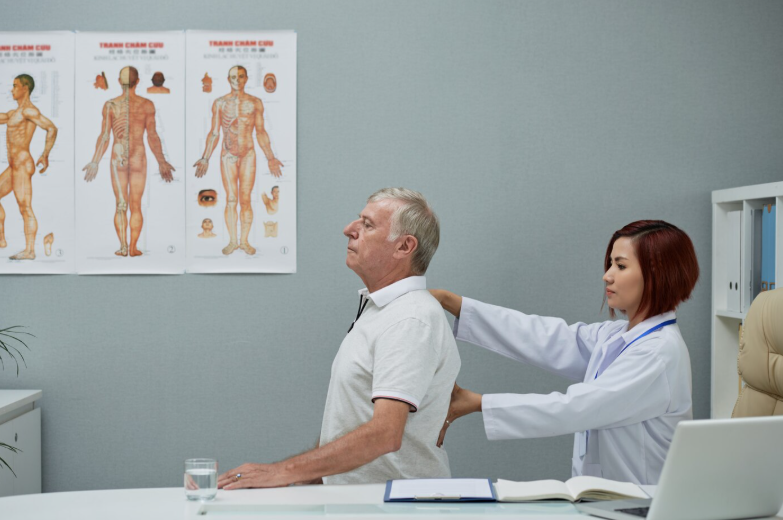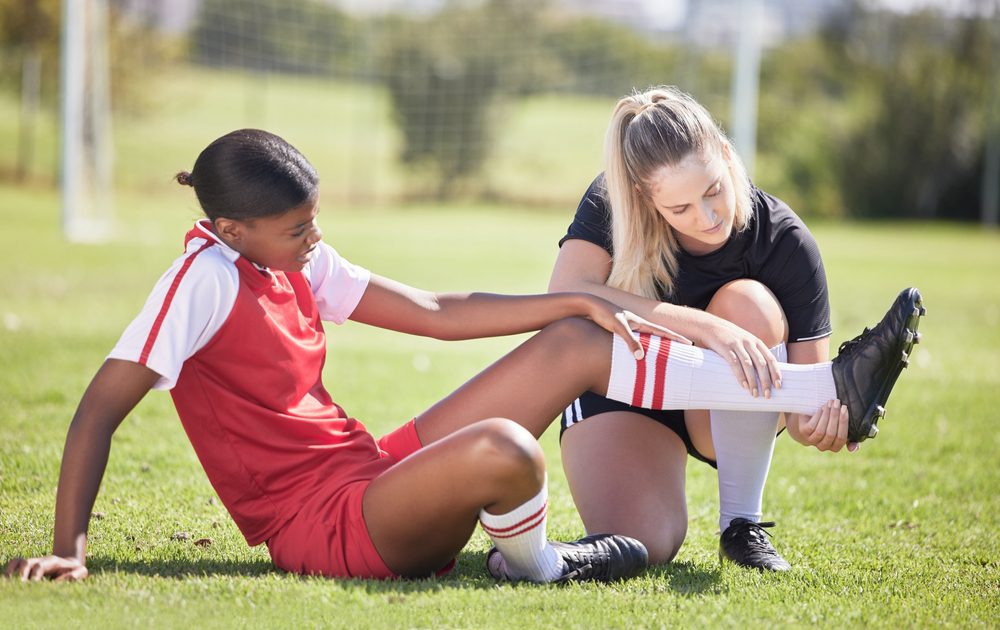
Recovering from sports injuries requires a well-structured pain management plan that fits your specific condition and lifestyle. Understanding how to manage discomfort effectively is key to healing and getting back to your routine. Working with healthcare professionals makes sure your plan includes the right balance of treatment, exercise, and recovery. Here’s how to create a pain management plan tailored to your needs after sports injuries:
Pain Source and Severity
The first step in managing pain from sports injuries is to identify its origin and intensity. Specialists use diagnostic tools such as X-rays, CT scans, or MRIs to confirm the type and extent of an injury. Tracking your pain levels provides helpful data. You can rate your pain on a scale from one to ten, noting when it occurs and the activities that make it better or worse. The information helps your provider understand your condition and customize a treatment approach that addresses the root cause of your discomfort.
Treatment With Active Recovery
A comprehensive pain management plan combines professional medical care with your own recovery efforts. Your specialist will recommend a customized treatment plan based on your specific sports-related injuries. This may include nonsteroidal anti-inflammatory drugs (NSAIDs), bracing, or injections to reduce inflammation and alleviate pain.
Active recovery is also a key component. This involves following your provider’s guidance on rest, ice, compression, and elevation (R.I.C.E.) to manage symptoms. Physical therapy is often incorporated to restore strength, flexibility, and function to the injured area. Make sure to follow the prescribed exercises and techniques to support your body’s natural healing process.
Lifestyle and Preventive Strategies
Certain lifestyle adjustments and preventive measures can support your recovery and reduce the risk of future sports injuries. These strategies are a fundamental part of a long-term pain management plan. Contemplate the following adjustments:
- Modify Your Activities: Temporarily switch to low-impact exercises to maintain fitness without straining the injured area.
- Optimize Nutrition: Consume a balanced diet rich in anti-inflammatory foods to support tissue repair and overall health.
- Prioritize Sleep: Aim for adequate, restful sleep each night, as this is when your body performs most of its healing and recovery functions.
- Use Proper Form: Focus on correct technique during physical activities to minimize stress on your joints and muscles.
Making these changes can support your healing and help you build strength against future sports-related injuries.
Progress Monitoring and Adjustments
Pain management is a dynamic process, and your plan will likely need adjustments as your body heals. Regularly check in with your medical provider to discuss your progress and changes in your symptoms. They can assess your recovery and modify your treatment plan accordingly. It is also helpful to keep a simple log of your symptoms and activity levels. This record can provide valuable insights into what helps or hinders your recovery.
Book Your Sports Injuries Appointment
A personalized pain management plan is a helpful tool for recovering from sports injuries. Identifying the source of your pain, combining medical treatments with active recovery, incorporating lifestyle changes, and monitoring your progress, helps you manage your symptoms and return to the activities you enjoy. If you are dealing with a sports injury, contact a sports injuries specialist near you to book your appointment today.