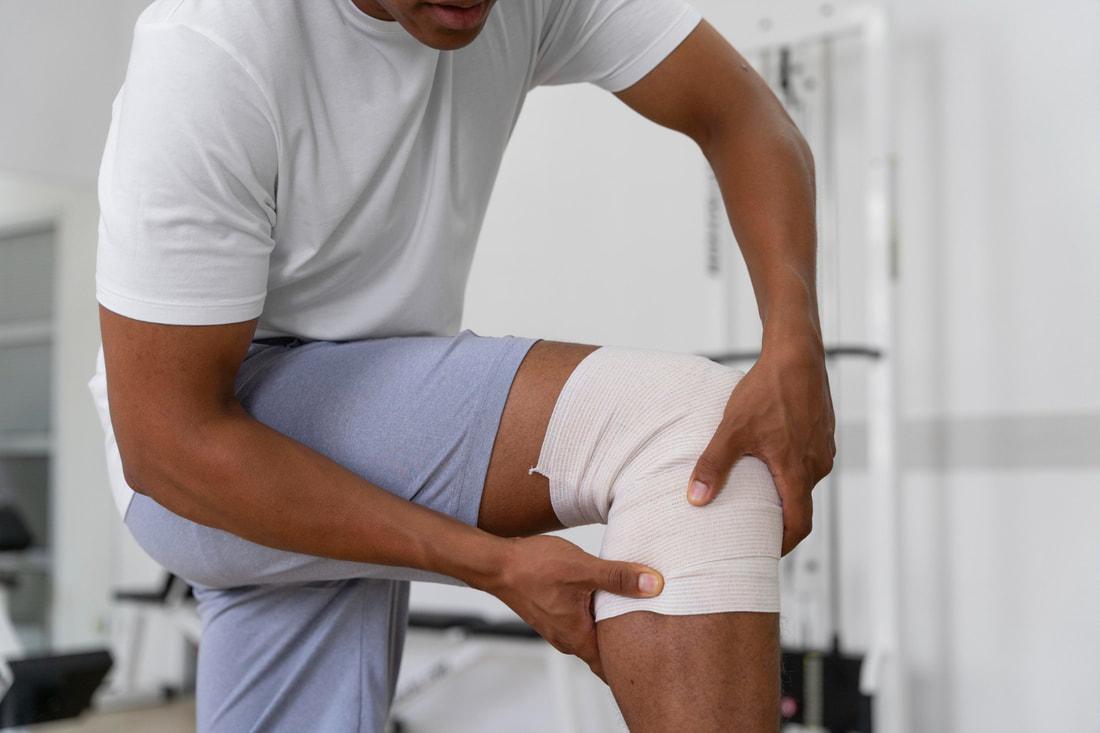
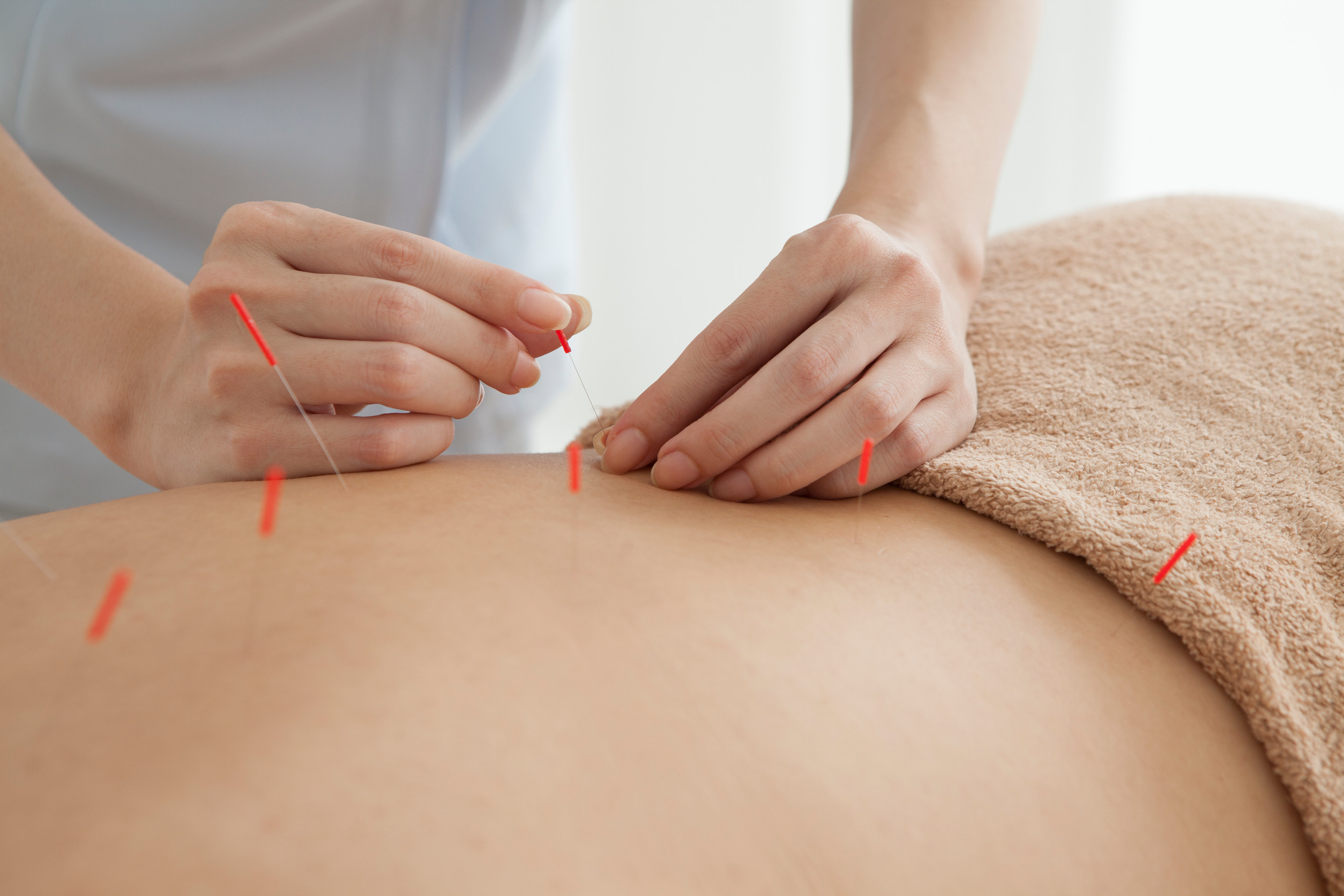
Managing discomfort after surgery is a key component of your recovery journey. A well-structured pain management plan is designed to help you heal by controlling pain levels and allowing you to participate in activities that support your recuperation. Here are some ways to approach pain management in post-surgical recovery:
Using Steroid Injections
After surgery, some patients experience persistent inflammation or joint or tissue pain. Your doctor might recommend steroid injections to target these problematic areas directly. Steroid medications can help reduce swelling and decrease pain at the source; these injections are usually administered by a healthcare provider, often with imaging guidance to verify accuracy.
Experiences with steroid injections vary from person to person. Some people notice relief quickly, while for others, it may take several days. The duration of pain relief also varies, ranging from a couple of weeks to several months. Doctors sometimes use this form of treatment as a bridge to other recovery activities, such as physical therapy or gradual exercise. Injections may be used to address knee, shoulder, or lower back pain following orthopedic surgery.
Getting Nerve Blocks
Nerve blocks are designed to target pain at its source. This approach involves injecting an anesthetic near a specific nerve cluster, temporarily blocking pain signals before they reach the brain. For those who have had procedures on the limbs or abdomen, nerve blocks are often chosen to provide focused relief while you recover in the days after surgery. The effects of a nerve block are not permanent. Numbness and reduced sensation in the targeted region are expected, usually for several hours and sometimes up to a couple of days. During this window, you can engage in recovery movements or rest more comfortably as your body heals. A nerve block might also be offered before surgery to help you have a smoother transition into your recovery, and occasionally it becomes part of a long-term pain management plan.
Scheduling Physical Therapy
Physical therapy plays a practical and supportive role during post-surgical recovery. Rather than allowing muscles to weaken or joints to stiffen, a structured therapy plan introduces movement in a controlled and supervised manner. Your physical therapist designs exercises that target the areas affected by surgery. A therapy plan may include:
- Strength training for muscles that support a repaired joint
- Stretching exercises to keep connective tissues flexible
- Balance training to help restore movement
Therapy sessions are typically scheduled several times a week, especially in the early weeks of recovery. You learn ways to move safely at home, and your therapist will modify your program as function improves and pain decreases. They might recommend assistive devices, such as walkers or braces, to support your activities as you return to daily life. If pain or fatigue interrupts your progress, therapists can adjust treatment to align with current abilities.
Work With a Pain Management Specialist
Collaborating with a pain management specialist gives you access to expertise and ongoing support as you recover. They assess your symptoms, review your medical history, and create a plan tailored to your needs. This plan may include a combination of approaches, such as medications, interventional treatments, physical therapy, or adjustments to your daily routine. Regular follow-up appointments help track your progress and manage challenges that arise. Contact a pain management clinic today to schedule a consultation.