
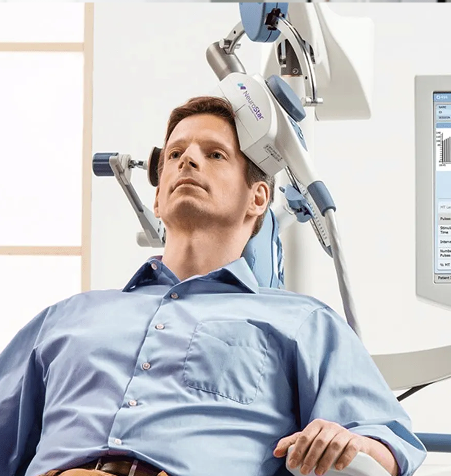
TMS therapy is a non-invasive treatment option used to help individuals manage certain mental health conditions, especially when traditional approaches have not provided enough relief. It helps alleviate symptoms without the systemic effects associated with some medications by using targeted magnetic pulses to stimulate specific areas of the brain. Here is a closer look at how TMS treatment works and who it helps:
How Does TMS Therapy Work?
Depression and certain other mental health conditions are linked to reduced activity in parts of the brain that regulate mood. When this happens, the neural pathways, the connections between brain cells, stop working as they should. Neurotransmitter levels drop, and these brain cells communicate less effectively.
TMS therapy addresses this by delivering magnetic pulses to specific areas of the brain. These pulses trigger neurons to fire, releasing neurotransmitters and restoring brain activity. The process targets the regions most associated with mood regulation, and repeated stimulation over several weeks helps rebuild normal brain function.
What Conditions Does It Treat?
TMS therapy was originally developed to treat depression, but its use has expanded to cover several other conditions. Patients who have not found relief through standard treatments may benefit from TMS treatment across a range of diagnoses. Conditions that TMS treatment may help include:
- Major depressive disorder: Especially treatment-resistant depression that has not responded to antidepressants or psychotherapy.
- Obsessive-compulsive disorder (OCD): To reduce the frequency and intensity of intrusive thoughts and compulsive behaviors.
- Post-traumatic stress disorder (PTSD): To ease symptoms such as flashbacks, anxiety, and hypervigilance.
- Postpartum depression: For patients who need a drug-free treatment option.
- Chronic pain conditions: By targeting the neural pathways involved in pain signaling.
The appropriateness of TMS treatment for any specific condition depends on a clinical evaluation. A psychiatrist will review the patient’s history, prior treatments, and current symptoms before recommending TMS therapy.
What Should Patients Expect?
Patients sit in a treatment chair during TMS therapy while the provider runs a series of tests to determine the correct placement of the magnetic coil. They also need to determine the level of energy needed to stimulate the brain effectively. Once the coil is positioned over the front region of the brain, the device begins delivering magnetic pulses.
Patients generally hear clicking sounds and feel a light tapping sensation on their scalp during this process. The treatment is painless and entirely non-invasive; it does not require anesthesia or sedation. A full course of TMS treatment often involves five sessions per week over four to six weeks.
Who Is a Good Candidate?
TMS treatment is not the first line of treatment for depression or other conditions. Patients who may be good candidates for TMS therapy include those who:
- Have a diagnosis of major depressive disorder that has not responded to at least one antidepressant medication.
- Experience significant side effects from antidepressants that make ongoing use difficult.
- Have a diagnosis of OCD, PTSD, ADHD, postpartum depression, or a substance abuse disorder.
- Are looking for a non-drug treatment option.
- Are able to commit to a full course of treatment (five days per week for four to six weeks).
Certain factors may make TMS treatment unsuitable for some patients; people with metal implants in or near the head are generally not eligible. A full medical and psychiatric evaluation helps determine whether TMS treatment is a safe and appropriate option for each individual.
Schedule Your TMS Therapy Appointment
TMS therapy provides a drug-free and non-invasive option for improving treatment-resistant depression and other mental health conditions. The treatment works by using magnetic pulses to stimulate brain cell activity and rebuild neural pathways linked to mood regulation. Sessions are short, require no downtime, and span several weeks. Contact a qualified psychiatrist near you to schedule your TMS treatment appointment.