Changes in the feet sometimes cause new aches and stiffness, leading to foot pain in seniors. Daily walking and standing can become more challenging with age, affecting tasks ranging from social outings to walking to the mailbox. Discovering the right support fosters comfort and mobility. Orthotics are designed to cushion and support the feet, and they offer a practical approach for those seeking relief. Here’s how orthotics can help alleviate foot pain in seniors:
Identifying Causes of Foot Pain
Feet are subject to routine wear as they age. The heel loses fatty tissue over time, and the arch may lose its original shape. These changes contribute to the possibility of discomfort and a range of related problems. Various concerns can affect walking, balance, and overall well-being. Recognizing the underlying reasons for discomfort is helpful before seeking solutions.
Several conditions can cause foot pain among seniors, including:
- Plantar Fasciitis: Inflammation of the thick tissue running across the sole of the foot causes sharp pain. This may be most noticeable with the first steps each morning.
- Flat Feet: As tendons that support the arch weaken, fallen arches or flat feet may develop. This loss of arch height contributes to strain in both the feet and ankles.
- Bunions: Structural changes in the big toe’s alignment form bony bumps at its base. These bunions introduce crowding and pressure, especially inside tight or narrow shoes.
Explaining How Orthotics Provide Relief
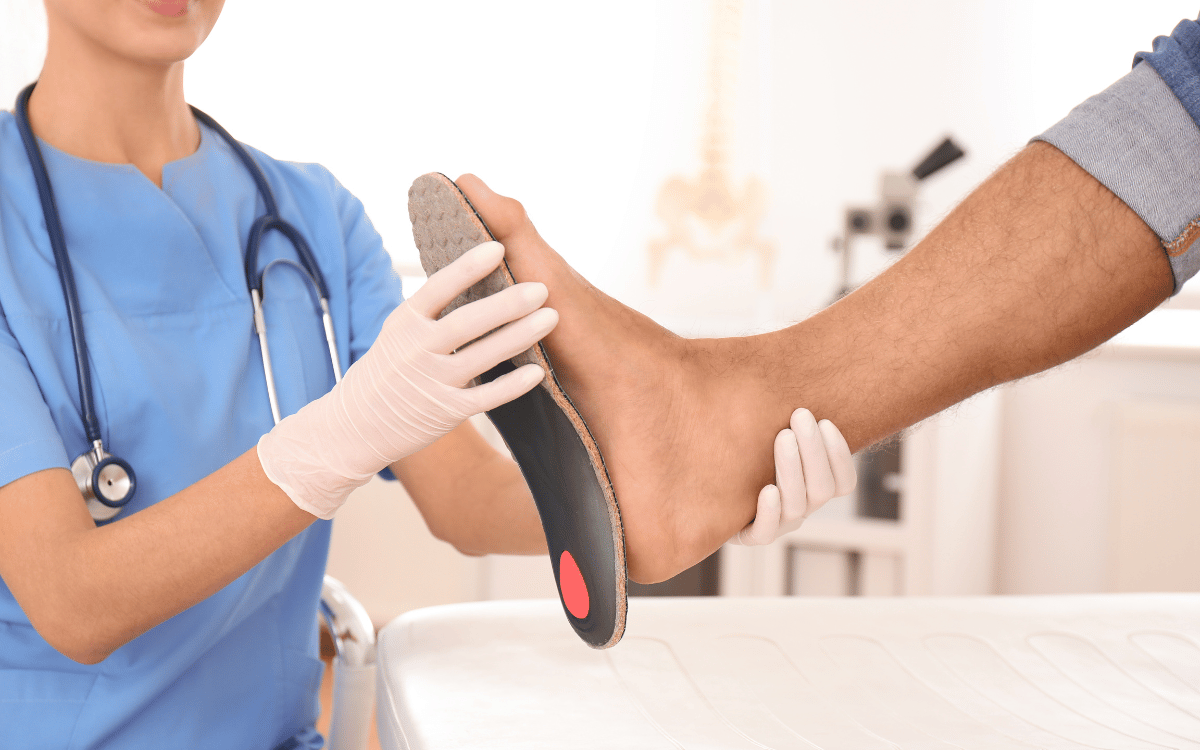
Orthotics are shoe inserts made to deliver support, align the foot, and cushion each step. By targeting the unique needs of aging feet, orthotics redistribute pressure and promote smoother movement. Their supportive nature is fundamental for those who want to remain active and experience increased ease during daily activities. With thinning padding and flattened arches inside a shoe, each step can become less steady; orthotics restore the fundamental structure underfoot.
Arch support relieves stress from conditions like flat feet and plantar fasciitis, and added cushioning absorbs impact that would otherwise reach sensitive areas. For anyone experiencing bunions, well-chosen orthotics provide sore spots with extra padding. They help prevent friction that aggravates pain.
People may contemplate whether to choose over-the-counter or custom-made options. While OTC versions offer accessibility, custom orthotics are created from foot molds or scans; they offer a tailored fit that addresses unique needs. Selecting the right type depends on the individual’s lifestyle choices, shoe preferences, and discomfort level.
Finding the Right Orthotics
Start by reflecting on the type of activities that matter most to you, like hiking, gardening, or standing for extended periods. Matching orthotics to your preferred footwear promotes comfort throughout the day. Custom inserts are suitable for seniors facing persistent problems. The materials can range from soft fabrics to durable plastics; this provides options for a wide range of preferences. Monitor how your feet respond after introducing orthotics. If pain lingers or worsens, seeking guidance from a podiatrist or foot health specialist is a key step.
Find a Foot and Ankle Specialist
Seniors may encounter a variety of foot challenges, but treatment is available with help from a foot and ankle specialist. Custom orthotics offer structure, comfort, and support with each step. They can be a full-shoe insert or a heel-only insert, depending on your symptoms and treatment plan. If you’re experiencing ongoing discomfort, contact an experienced podiatrist today to discuss their services.