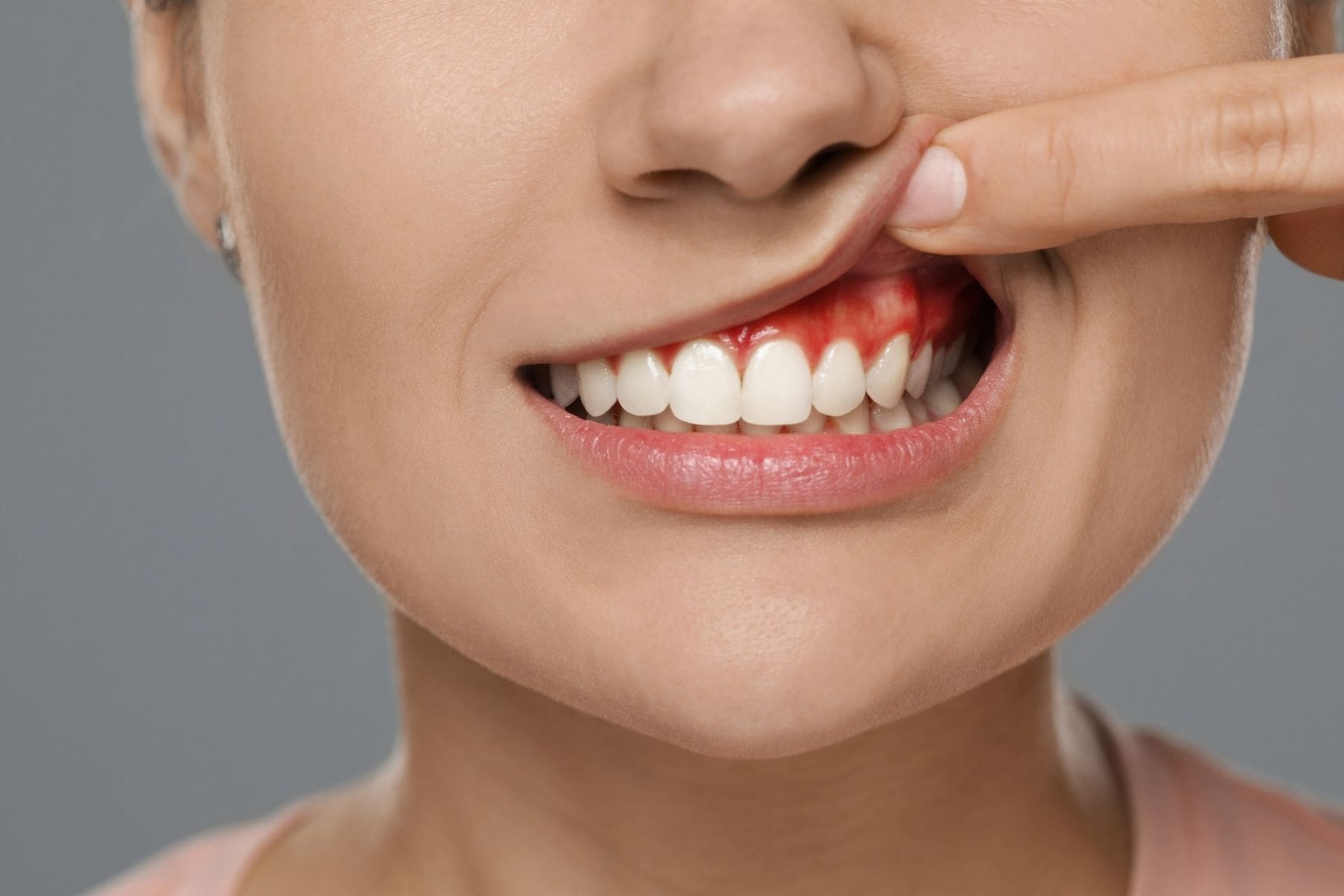
Cosmetic dentistry involves treatments that modify the color, shape, or overall appearance of teeth. These procedures can address stains, worn enamel, gaps, chips, and missing teeth through several different techniques. Each approache focuses on specific aesthetic or structural concerns. A dentist may combine some treatments to enhance the look and function of the teeth.
Surface Color Improvement
Teeth whitening is a cosmetic dentistrytreatment that lightens external stains with peroxide-based whiteners. In-office whitening uses concentrated gels applied during a single appointment. Because these gels contain higher-strength formulations, they create noticeable changes in a shorter period. At-home whitening uses trays or strips that hold milder peroxide agents against the teeth. Both options can remove surface stains caused by foods, drinks, or tobacco.
Whitening usually affects only the outer enamel layer. Internal discoloration or enamel defects require different procedures because bleaching does not change deeper tooth structure. A professional evaluation can help determine whether whitening treatments will get results or whether another procedure would address the discoloration more effectively.
Minor Structural and Discoloration Improvements
Dental bonding uses a tooth-colored composite resin that adheres to the enamel. The material fills chips, covers small fractures, or masks discoloration that whitening does not correct. Dentists apply and shape the resin to match the natural countours of the tooth, then cure the resin with a specialized light to harden and bond it to the enamel.
Bonding addresses small areas rather than the full tooth. Composite resin can blend with the enamel’s color and reshapes minor irregularities. Bonding is less strong than porcelain restorations, but it offers an efficient option for correcting small defects without removing a significant amount of enamel. After curing, the resin is polished to create a natural surface texture.
Cosmetic and Structural Improvements
For improvements to the look and structure of teeth, veneers and crowns may be an option. While both veneers and crowns can remedy cosmetic issues, crowns also bolster the structure of a weakened or damaged tooth.
Veneers
Veneers are thin porcelain or composite shells that attach to the front surfaces of teeth. They address uneven edges, worn enamel, discoloration, or small gaps. Porcelain veneers require removing some enamel so the shell fits smoothly with the adjacent teeth. Composite veneers require some enamel removal along with light etching on the natural teeth to help the composite material adhere to the teeth.
Crowns
Dental crowns restore shape and strength when a tooth needs full coverage. Crowns encapsulate the tooth surface and protect weakened structure. The dentist reshapes the tooth and takes an impression or digital scan for the final design. Laboratory-made crowns use materials such as porcelain, zirconia, or metal alloys, and each material offers different looks and durability.
Missing Teeth Restoration
To replace missing teeth altogether, a dentist may use dental implants, dental bridges, or dentures. While implants and bridges are permanent fixtures in the mouth and would require a dentist’s help to remove or replace them, dentures are removeable.
Dental Implants
Dental implants replace missing teeth with a titanium post in the jawbone. After healing, a connector piece and crown complete the restoration. Implants stand independently rather than relying on neighboring teeth. They also help stabilize the bite by supporting chewing mechanics.
Dental Bridges
Dental bridges replace one or more missing teeth with an artificial tooth attached to implants or to crowns on neighboring natural teeth. The supporting teeth are reshaped to hold the crowns. A dental bridge can help restore chewing function as well as the appearance of the smile.
Dentures
Dentures are a removable option for partial or complete tooth loss. They use an acrylic base that holds artificial teeth, and the appliance fits over the gums or secures to existing structures depending on the denture type. Dentures can anchor to natural existing teeth or implants when the denture replaces only a section of missing teeth.
Learn More About Cosmetic Dentistry Options
Cosmetic dentistry includes treatments that improve color, structure, and completeness of the smile. Whitening reduces surface stains, bonding repairs small defects, and veneers or crowns modify tooth shape while adding strength. Implants, bridges, and dentures replace missing teeth and restore chewing ability. An evaluation with a dental professional can hep determine which combination of option aligns with your specific aesthetic and functional goals.