Botulinum toxin, widely recognized by its brand name Botox, is a substance used in both cosmetic and medical procedures. Understanding its origin, mechanism, and range of applications can provide clarity for individuals exploring their options for various health and appearance-related concerns. This substance is administered by trained medical professionals to achieve specific outcomes related to muscle activity.
What Is Botox?
Botox functions as a neuromodulator, meaning it affects the communication between nerves and muscles. When injected in small, controlled amounts into specific muscles, it temporarily blocks the nerve signals that cause those muscles to contract. This localized muscle relaxation is the basis for its therapeutic and cosmetic effects. The use of Botox in a medical context predates its cosmetic applications. Its ability to selectively relax overactive muscles made it a treatment option for certain neurological conditions. The product is precisely administered to target muscles without affecting surrounding areas, allowing for a focused and predictable effect.
What Does It Address?
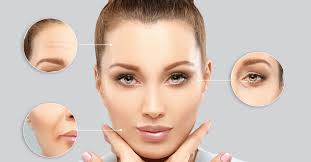
The applications for botulinum toxin are diverse, spanning both aesthetic enhancements and the management of medical conditions. In aesthetics, one of the most common uses is to soften dynamic wrinkles, which are lines formed by repeated facial expressions. These include forehead wrinkles and crow’s feet around the eyes. By relaxing the underlying muscles responsible for these expressions, the skin appears smoother. This approach addresses the muscular cause of these lines, distinct from other treatments that might fill in wrinkles or resurface the skin.
Botox is used to manage a number of conditions involving muscle overactivity. It is a recognized option for individuals with chronic migraines. Injections are administered in specific areas of the head and neck to help reduce headache frequency. Another application is in the treatment of hyperhidrosis, or excessive sweating. When injected into the underarms, it can block nerve signals that stimulate sweat glands, providing relief from this condition.
What Are the Results?
The procedure for administering botulinum toxin injections is typically straightforward and completed within a medical office setting. Most patients report feeling a slight pinch or sting during the injection. The needles used are very fine to minimize discomfort.
Following the injections, there is generally no significant downtime required, and most individuals can resume their daily activities immediately. Some common side effects at the injection site may include mild swelling, redness, or bruising, which typically resolve within a few days. Practitioners often advise patients to avoid rubbing or massaging the treated area for a period after the procedure.
The effects of the treatment are not immediate. It can take several days for the neuromodulator to begin working, with the full results becoming visible within one to two weeks. The duration of these results can vary based on the individual, the area treated, and the dosage used. For cosmetic applications like wrinkle reduction, the effects generally last between three and four months. For medical applications, such as managing hyperhidrosis or migraines, the duration might be longer.
Seek Professional Aesthetic Services
Navigating the world of aesthetic and medical treatments requires careful research and guidance from a qualified provider. Treatments involving botulinum toxin require the expertise of a licensed, experienced healthcare professional. A professional will develop a personalized treatment plan tailored to your unique needs, helping to manage expectations and work toward a satisfactory result.