An animal bite can be more than just a surface wound; it can introduce bacteria deep into your body. Whether from a family pet or a wild creature, any bite carries a risk of infection. Understanding this risk and knowing what to look for can help you take the right steps after an encounter. Prompt care for animal bites is the best way to support the healing process and avoid complications.
What animals bite?
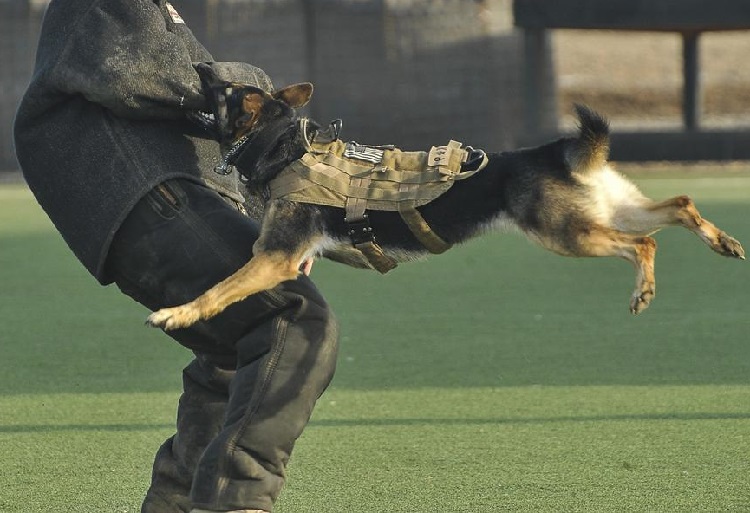
Many types of animals can bite humans under certain circumstances. These encounters often happen when an animal feels scared, threatened, or is protecting its territory or young. Both domestic and wild animals can be a source of bites.
- Dogs
- Cats
- Rodents (mice, rats, squirrels)
- Raccoons
- Bats
- Foxes
Even animals that seem friendly can bite unexpectedly. It’s helpful to be aware of animal behavior and give them space, especially if they appear agitated or unwell. Understanding which animals are common in your area can also prepare you for potential interactions.
What Makes Animal Bites Risky?
The main danger from animal bites is the introduction of bacteria into the body. An animal’s mouth contains a wide range of germs. When teeth puncture the skin, these germs can be deposited deep within the tissue, creating an environment that allows an infection to develop.
Puncture wounds from animals, such as cats, may be particularly deceptive. The small surface opening may close up quickly, trapping bacteria underneath. This can lead to an infection that develops out of sight. The type of animal, the location of the bite, and the depth of the wound all contribute to the overall risk.
What Are Signs of Infection?
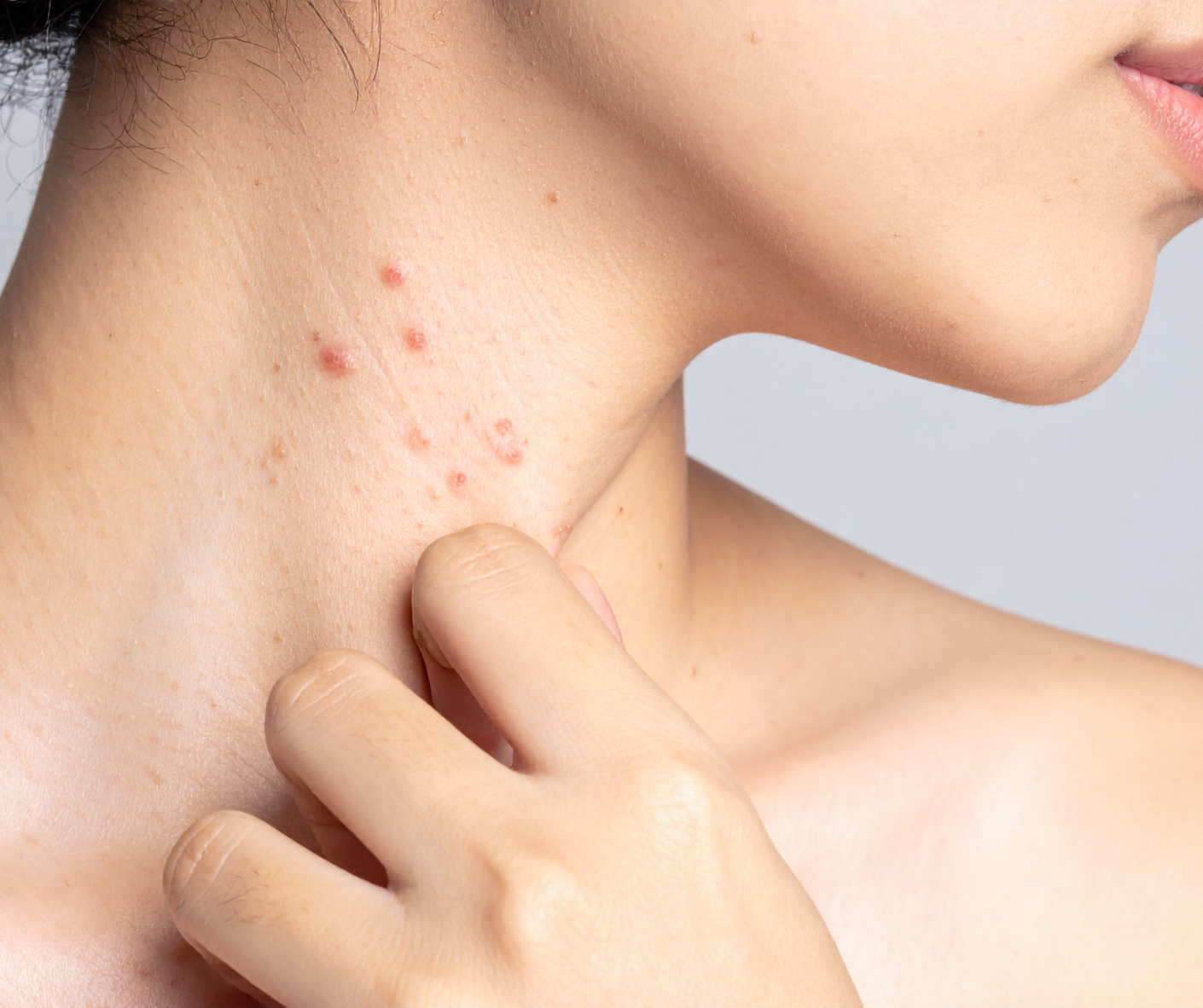
After an animal bite, it’s a good practice to monitor the wound for any changes. An infection may not be apparent immediately, sometimes taking one or more days to show signs. Knowing what to watch for helps you identify a developing issue early.
- Increased redness or swelling around the wound
- Pus or fluid draining from the bite
- Red streaks spreading from the bite area
- Worsening pain at the site
- A fever
These signs suggest that the body is fighting off an infection. Pay close attention to how the wound looks and how you feel in the hours and days following a bite. Catching these signs early allows for timely attention.
Why Is Prompt Treatment Necessary?
Addressing animal bites promptly reduces the risk of bacteria spreading deeper into the tissue. Early cleaning and care can remove germs before they multiply, making complications less likely. If left untreated, even a small bite may become more serious over time. Seeking help right after a bite gives you access to professional advice and support. Medical providers will assess the injury to determine if further steps are necessary, such as additional cleaning or medication. Acting quickly helps protect your health and supports a smoother recovery.
Get Treatment
Properly caring for animal bites from the start makes a significant difference. The first step is to gently and thoroughly wash the wound with mild soap and running water for several minutes. This helps to flush out some of the bacteria that may have been introduced. After cleaning the area, covering it with a clean bandage can help protect it. Because of the risk of infection, all animal bites deserve attention. Seeking a professional medical evaluation is a sound step for any bite that breaks the skin.