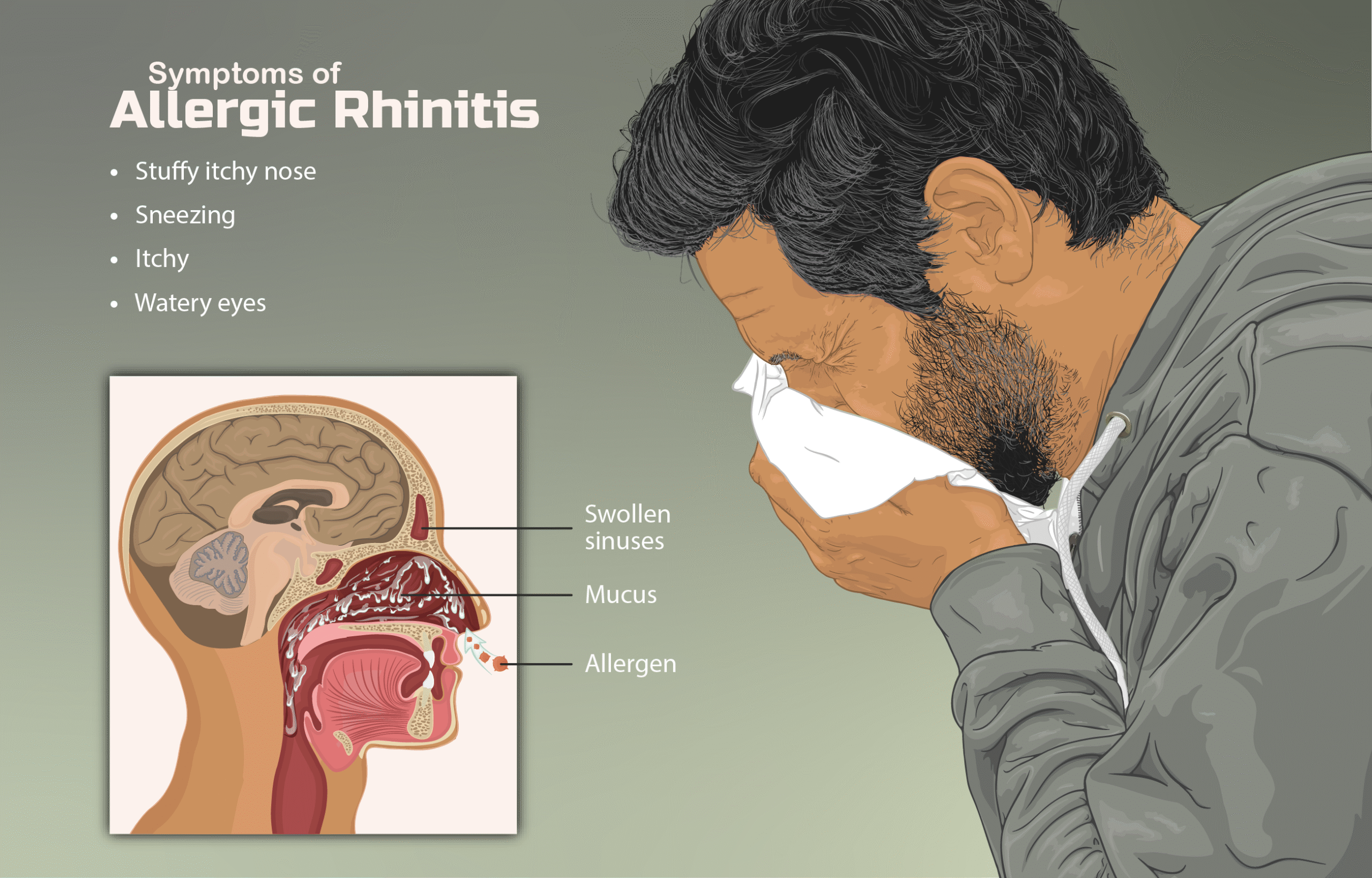

Allergy testing plays a significant role in identifying the substances that trigger uncomfortable or disruptive symptoms. Healthcare providers can create targeted treatment plans that reduce reactions and improve daily comfort by pinpointing specific allergens. Here is more information on how allergy testing can improve your quality of life:
What Can Allergy Testing Reveal?
Allergy testing is a medical procedure used to identify specific allergens that cause reactions in your body. These allergens include pollen, dust mites, pet dander, certain foods, or insect stings. The testing process measures your immune system’s response to these substances, providing clear data on what you should avoid. This information is key to managing your symptoms and developing targeted treatment plans. Testing helps you and your healthcare provider make informed decisions about your health and lifestyle, leading to significant improvements in your well-being.
How Do Test Types Work?
Several types of allergy tests are available, and a healthcare professional can help you determine the right one for you. Here are some key allergy testing types providers use:
- Skin Prick Test: A small drop of a potential allergen is placed on your skin, which is then lightly pricked. If a raised, red bump appears after some minutes, it indicates an allergic reaction.
- Blood Test (IgE Test): A blood test measures the amount of immunoglobulin E (IgE) antibodies in your bloodstream. Your immune system produces these antibodies in response to allergens.
- Patch Test: This test is used to identify contact allergies, such as reactions to metals or fragrances. An adhesive patch with various allergens is placed on your back for 48 hours to see if a skin reaction develops.
These tests provide precise information, enabling the creation of an effective management plan.
How Does Knowing Allergens Help?
Once you know your specific allergens, you can take proactive steps to avoid them, which directly improves your daily comfort and health. For instance, if you are allergic to dust mites, you can make changes such as using allergen-proof bedding and cleaning your home regularly to reduce exposure. This empowers you to control your environment and minimize the frequency and severity of your allergic reactions. Managing your allergies effectively helps you make safer choices about food and outdoor activities, enhancing your overall well-being.
How Is Care Personalized?
The results from your allergy testing are fundamental for developing a personalized care plan tailored to your specific needs. Here’s how healthcare providers personalize care with your test results:
- Avoidance Strategies: Your healthcare provider will give you specific advice on how to avoid the allergens that affect you.
- Medication Plans: Based on your allergy profile, a provider may recommend specific over-the-counter or prescription medications, such as antihistamines or nasal sprays, to manage your symptoms.
- Immunotherapy: For certain severe allergies, your provider may suggest immunotherapy to help your body build tolerance to allergens over time, reducing the severity of your reactions.
A personalized approach makes sure that your treatment is safe and effective.
Book Your Allergy Testing Appointment
Allergy testing provides the key information you need to manage your symptoms and improve your health. Identifying your specific triggers enables you to develop a personalized plan that includes avoidance strategies and targeted medical treatments. Contact a trusted healthcare provider in your area to book your allergy screening appointment today.