Botox is a brand name for a specific type of botulinum toxin, and it is a substance used in both cosmetic and medical procedures. Because it has various uses, many people have questions about how it functions and what to expect. Although Botox is used in aesthetics, it also plays a role in managing specific health conditions. Here is more information about Botox to help you decide if it is ideal for you:
Is Botox Safe?
Botox is FDA-approved for various purposes, including sweating and migraines, but it should only be prescribed by a professional. Specialists administer it in small, controlled doses for therapeutic or cosmetic purposes. When you discuss your medical history with a provider, they can determine if this treatment is a suitable option for you.
Side effects are possible, but are generally mild. Most reactions are temporary, although a medical provider should oversee them. When a qualified and experienced professional administers the treatment, the likelihood of adverse events may be reduced. If you have concerns, your provider can answer questions and help create a plan that matches your needs.
How Does it Work?
Botox functions by targeting the nervous system. Since the substance blocks signals from nerves to muscles, it prevents the targeted muscles from contracting. This temporary muscle paralysis is the basis for its effects, and it is beneficial.
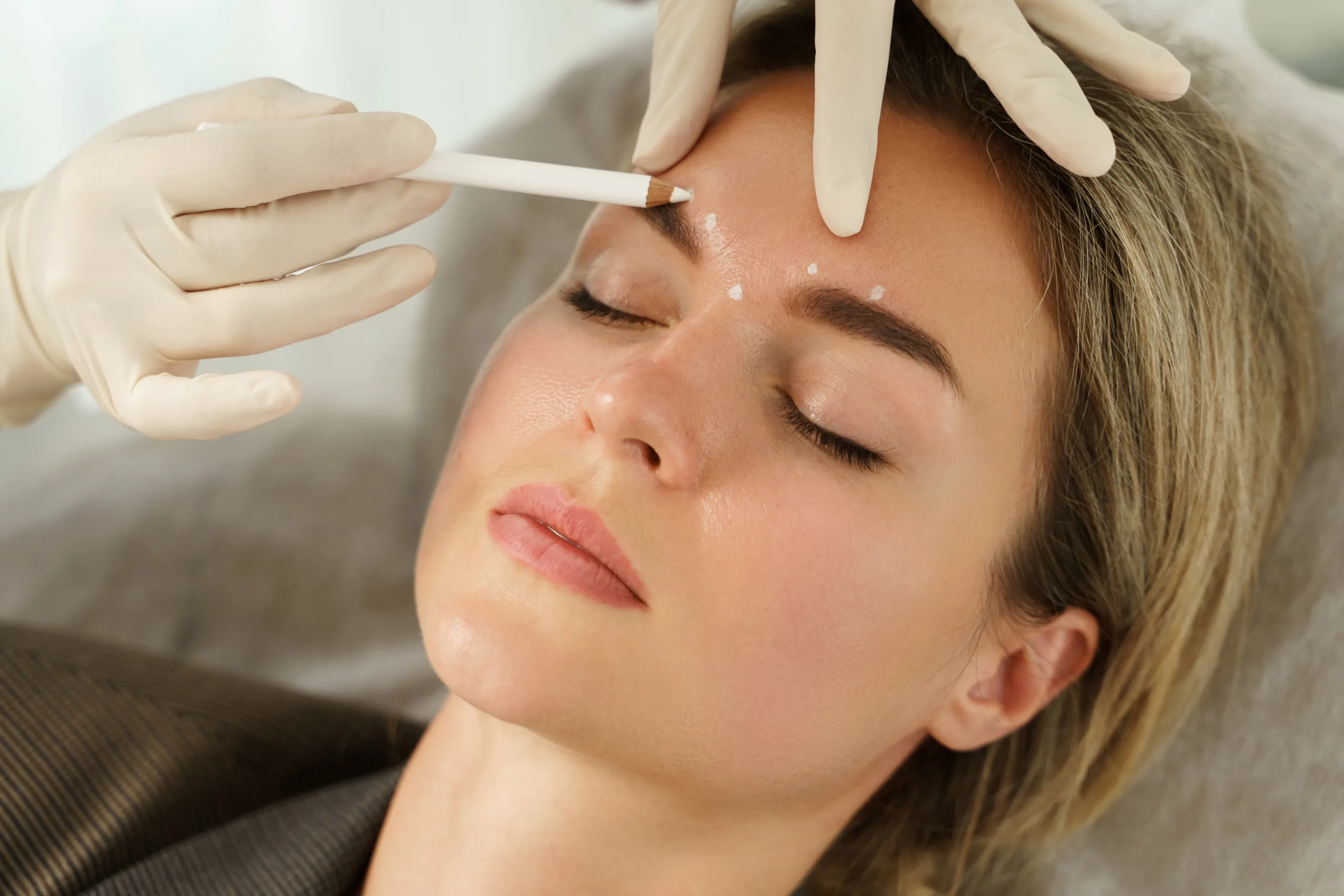
The process begins with an injection directly into the muscle tissue. After this, the toxin binds to nerve endings at the point where they meet the muscle cells. This action interrupts the release of a chemical messenger, and the muscles relax.
Without this messenger, the muscle cannot receive the instruction to contract. The muscle remains in a relaxed state. This relaxation smooths the skin overlying the muscle or addresses medical conditions related to muscle overactivity. Not all muscles are affected by Botox, since it is only injected into specific areas identified as the source of the problem or concern, and the effects remain localized rather than spreading throughout the entire body.
What Does it Treat?
This treatment addresses both cosmetic and medical concerns. People use Botox to reduce the appearance of facial wrinkles, yet it has many other applications. Since it relaxes muscles, it is effective for a range of conditions.
Some standard uses include:
- Crow’s feet
- Forehead lines
- Frown lines between the eyebrows
- Chronic migraines
- Excessive sweating
Certain neurological disorders, such as cervical dystonia and blepharospasm, may be managed using Botox under the guidance of a healthcare professional. With new therapeutic applications emerging, more uses may develop.
How Long Does it Last?
The effects of Botox are not permanent. Results from cosmetic treatments typically last for three to four months, although this timeline varies from person to person. Over time, your body naturally metabolizes the substance, and muscle activity gradually returns. For medical concerns, the duration is similar, but the frequency and dosage may be different based on your specific diagnosis and overall health goals.
Schedule Botox Treatments Today
You can learn more about this treatment, and you can discuss your specific goals with a provider. A consultation is the first step, where you will receive personalized information. Contact a cosmetic specialist to schedule an appointment with a qualified professional. Whether you are exploring Botox for the first time or revisiting your options, support and information are available.