
The Achilles tendon connects the calf muscles to the ankle and plays a key role in movement during activities like walking and running. This tendon is subject to significant strain, making it susceptible to overuse injuries such as Achilles tendinitis. When inflamed, the tendon can cause pain and stiffness, limiting mobility and affecting daily activities. A clear understanding of the condition, its diagnosis, and available treatment options can help address symptoms and support recovery. Although the tendon is strong, it can become injured over time, and it may require proper care to heal effectively.
Recognizing the Symptoms
Achilles tendinitis is a condition characterized by inflammation of the Achilles tendon, which connects the calf muscles to the ankle. This inflammation often results from repetitive strain and leads to pain and stiffness in the ankle and leg. Movement of the foot and ankle typically worsens the discomfort, and in some cases, the condition may contribute to the development of bone spurs. Although symptoms may begin mildly, they can worsen over time, and they may interfere with normal movement.
Several factors increase the likelihood of developing Achilles tendinitis. These include sudden increases in physical activity, being overweight, wearing inappropriate footwear during exercise, and having flat feet. Early recognition and management of symptoms are key to preventing further complications. Although these risk factors are common, they can be managed with proper care, and individuals can reduce their chances of injury.
Diagnosing Achilles Tendinitis
Accurate diagnosis of Achilles tendinitis involves a combination of physical examinations and advanced diagnostic tools. A diagnosis may take time, and it may involve multiple steps. A thorough physical assessment evaluates the extent of pain, stiffness, and mobility issues. Diagnostic technologies, such as functional movement assessments and gait analysis, provide detailed insights into the condition. In some cases, imaging techniques like X-rays or MRIs may be recommended to confirm the diagnosis and rule out other potential issues. Prompt diagnosis is helpful for effective treatment. Delaying medical attention can lead to worsening symptoms and prolonged recovery times.
Treating Achilles Tendinitis
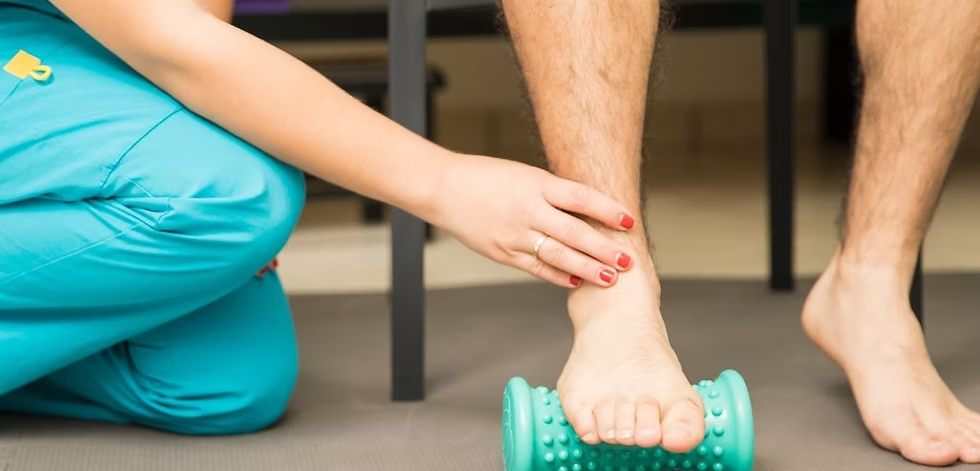
Treatment for Achilles tendinitis focuses on addressing the underlying causes and alleviating symptoms. For minor injuries, rest and ice application may suffice to reduce inflammation and promote healing. Physical therapy is often recommended to strengthen the Achilles tendon and surrounding muscles, improving overall function and reducing the risk of recurrence. Although treatment may vary, it often requires consistency, and patients must follow a structured plan for recovery.
Customized orthotic solutions, such as shoe inserts, can provide additional support and enhance gait mechanics. These inserts are tailored to the individual’s specific needs, ensuring optimal alignment and reducing strain on the tendon. Advanced technologies, including gait analysis, play a significant role in creating these personalized solutions. In cases of severe or persistent symptoms, more intensive rehabilitation programs may be necessary. These programs aim to restore mobility, reduce pain, and prevent further injury. Orthotic devices can improve support, and they can enhance overall movement.
Find a Clinic
Achilles tendinitis requires a comprehensive approach to diagnosis and treatment. Early intervention, combined with tailored therapies and support, can effectively manage symptoms and promote recovery. By addressing the condition promptly, individuals can regain mobility and reduce the risk of long-term complications. Recovery outcomes improve when the condition is addressed early, and individuals can regain mobility as they follow an appropriate treatment plan. Find a clinic in your area to find relief.