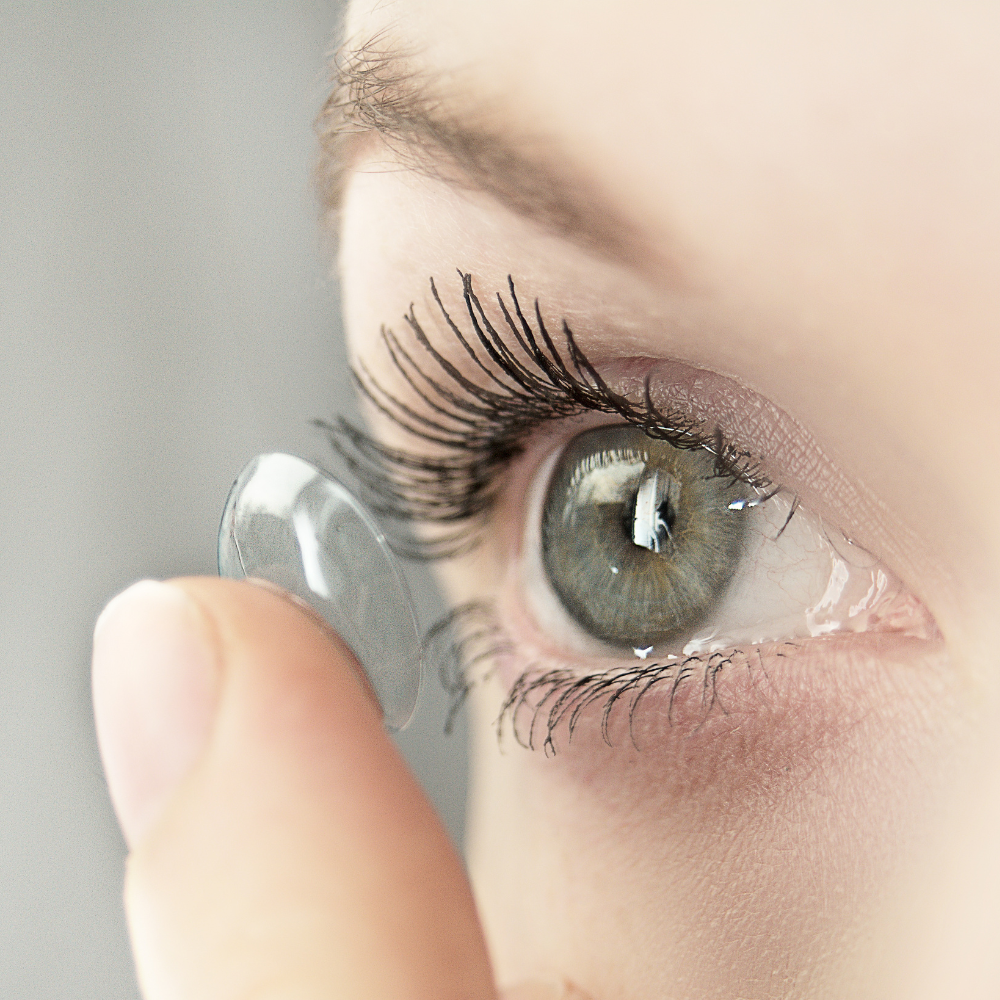
Contact lenses offer an alternative to eyeglasses for correcting vision. These thin, curved lenses are placed directly on the surface of the eye, where they rest on the tear film covering the cornea. Contacts move naturally with the eye, providing a broad and unobstructed field of vision.
What Are Contacts?
Contact lenses are medical devices prescribed to correct refractive errors. Common refractive errors include nearsightedness, farsightedness, presbyopia, and astigmatism. Contacts are made from various materials, primarily categorized as soft or rigid gas permeable. Soft lenses are made of flexible, water-containing plastics, while rigid gas permeable lenses are made from a firmer material that allows oxygen to pass through to the cornea.
Wear schedules can vary, with some lenses designed for daily wear and others for extended periods of time. Replacement schedules also differ, including options for daily, bi-weekly, or monthly disposal. A proper fitting and adherence to care instructions are necessary.
What Are the Different Types?
A range of contact lens types is available to address different visual needs and lifestyles. Soft and rigid gas permeable lenses are the two main categories. For specific refractive errors, there are specialized designs. Toric lenses are crafted for individuals with astigmatism. They feature a particular shape to correct the irregular curvature of the eye. Multifocal lenses contain multiple prescription powers within a single lens to assist with vision at near, intermediate, and far distances. This makes them useful for people with presbyopia.
Another specific type is the MiSight 1-day contact lens. These are daily disposable soft lenses and are the first to be FDA-approved for both vision correction and myopia control in children. They can be prescribed to children as young as 8 years old.
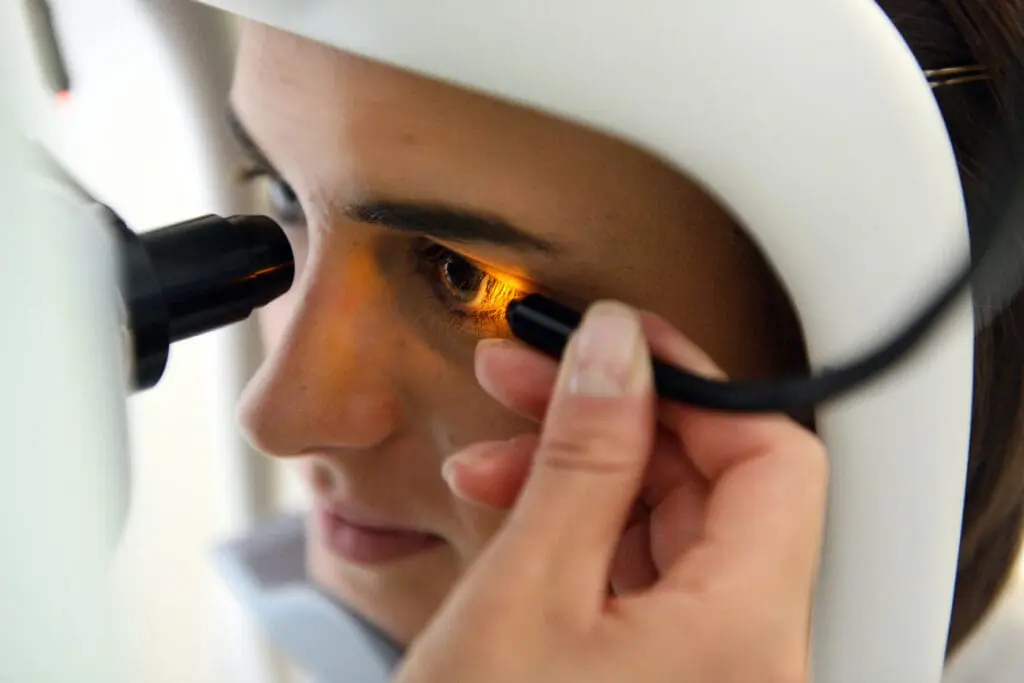
Specific diagnostic technologies can support the evaluation for and ongoing care of contact lenses. Firefly M slit lamp imaging provides high-definition pictures and meibography, offering detailed views of the eyelids and tear film. The OCULUS Keratograph 5M can measure tear film characteristics, including moisture level and tear evaporation metrics. Another tool, the TearLab Osmolarity System, measures the liquid concentration of tears, which can inform decisions about lens material and wear schedules.
What Should You Expect?
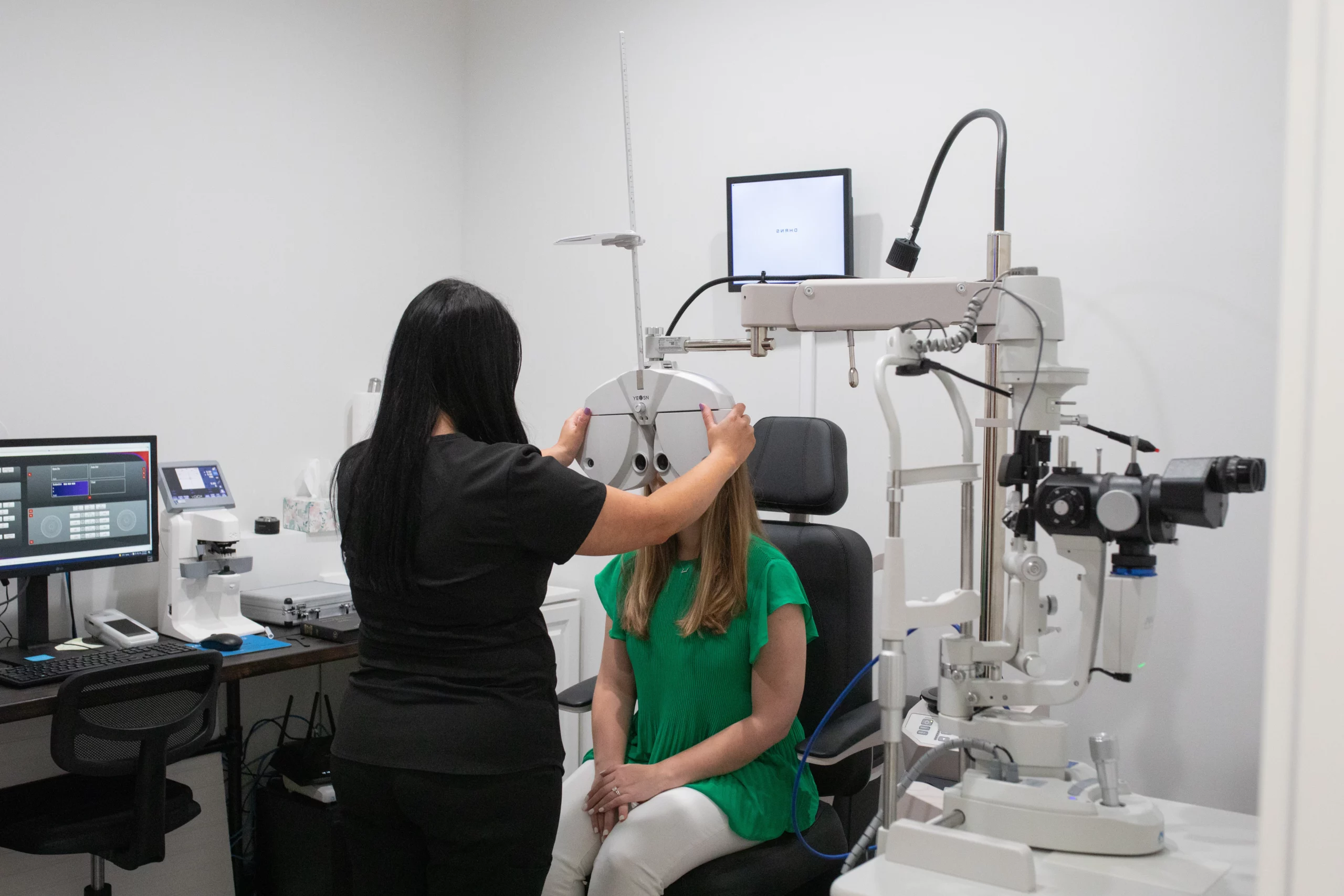
The process of getting contact lenses begins with a comprehensive eye exam and a fitting. An eye care professional will measure your eyes to determine the correct lens curvature and diameter. You may receive trial lenses and be evaluated on their fit, movement, and how well you can see with them.
A key part of the process is training. You may be taught how to properly insert, remove, and care for your lenses. Following a strict hygiene regimen, including washing your hands before handling lenses and using appropriate cleaning solutions, is necessary to maintain eye health. There may be an adaptation period as your eyes adjust to the sensation of the lenses.
Your eye care professional will provide a specific wear and replacement schedule that you must follow. This schedule outlines the duration for which you can wear the lenses each day and when they should be discarded and replaced. Regular follow-up appointments are scheduled to re-evaluate the lens fit, check your vision, and assess the overall health of your eyes.
Speak Further With an Optometrist
A detailed discussion with an optometrist is the next step to determine if contact lenses are a suitable option for you. An eye care professional can perform a thorough examination. They can provide personalized recommendations based on your specific visual needs and eye health.