
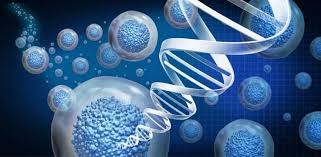
Regenerative medicine is a growing area of healthcare focused on helping the body repair, restore, and replace damaged tissues. This field offers new options for conditions that were once difficult to manage by using advanced techniques such as cell-based therapies and biologic treatments. Here is an overview of how regenerative therapy is shaping a new frontier in modern care and healing:
What Is Regenerative Medicine?
The core principle of regenerative medicine is to harness the body’s innate healing abilities. Instead of just managing symptoms, regenerative therapy aims to address the root causes of diseases and injuries. This field combines biology, chemistry, genetics, and engineering to develop treatments that restore function to damaged tissues and organs. Many professional athletes use these treatments to heal from acute and chronic sports injuries. It’s a fundamental shift from traditional treatment methods, offering treatment options for conditions that were once difficult to manage.
Which Techniques Are Used?
Several innovative techniques are fundamental to regenerative medicine, and each is designed to stimulate the body’s natural repair mechanisms. One of the most common methods is platelet-rich plasma (PRP) therapy. The process involves drawing a patient’s own blood and spinning it in a centrifuge to concentrate the platelets. This platelet-rich serum, when injected into an injured area, releases growth factors that attract healing cells and promote tissue regeneration. This specific technique is frequently used to treat tendonitis, muscle injuries, and arthritis.
What Benefits Stand Out?
Regenerative treatments offer several benefits over traditional approaches. Here are some of them:
- Minimally Invasive: Most regenerative therapies, like PRP injections, are minimally invasive and require little to no downtime compared to surgical procedures.
- Natural Healing: These treatments use the body’s own biological materials, reducing the risk of rejection or adverse reactions.
- Faster Recovery: Regenerative medicine can accelerate healing, enabling patients to return to their normal activities sooner.
- Addresses Root Cause: Instead of only managing symptoms like pain and inflammation, these therapies work to repair the underlying tissue damage.
These benefits make regenerative therapy a helpful option for patients seeking long-term relief from chronic conditions.
Where Is It Making an Impact?
The applications for regenerative medicine are expanding, and it is already making a significant impact in various medical fields. Here are some of the fields where it is being applied:
- Orthopedics: Regenerative treatments are widely used to treat joint pain, arthritis, and sports injuries, including conditions like Achilles tendonitis and plantar fasciitis.
- Wound Care: These therapies promote the healing of chronic, non-healing wounds.
- Pain Management: PRP and other regenerative treatments can provide long-lasting relief from chronic pain by healing injured tissues.
- Post-Surgery Healing: Regenerative therapy can be used after surgery to accelerate recovery and improve outcomes.
As research continues, the potential uses for regenerative therapy will likely grow, offering solutions for a broad range of medical conditions.
Explore Regenerative Medicine Treatments Today
Regenerative therapy is a significant advancement in healing, leveraging the body’s own capability to repair and restore function. This field offers minimally invasive, effective solutions for a variety of conditions, including platelet-rich plasma therapy. Contact a trusted healthcare provider near you to schedule a consultation and learn more about regenerative therapy and treatment options.