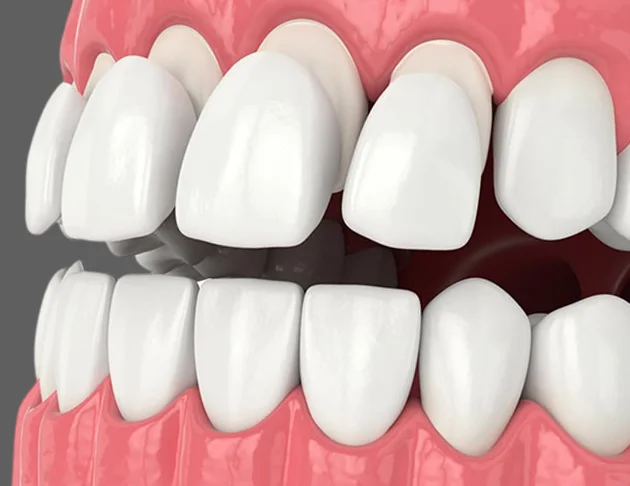
Porcelain veneers address chips, cracks, discoloration, small gaps, and other cosmetic dental concerns. Veneers are thin porcelain shells that are bonded to the front of teeth, creating a more uniform appearance while maintaining a natural look. Porcelain offers notable stain resistance and retains its color well over time, making it a reliable option for long-term cosmetic improvement.
Common Issues Veneers Address
Porcelain veneers cover irregularities on the visible surfaces of the teeth, such as cracks and chips. Deep staining that whitening treatments cannot improve can be covered with porcelain veneers. Porcelain is less porous and resists discoloration, which helps limit changes from exposure to foods or beverages with intense pigments. Veneers also maintain a uniform surface texture, which reduces areas where stains may cling.
Cracks and chips are also common reasons for treatment, as porcelain provides a smooth, reinforced surface that restores a balanced look. Teeth that appear too small or too widely spaced may benefit from veneers, as the customized shells increase width and height where needed.
Porcelain Veneers Process
The process begins with an evaluation that reviews tooth health, enamel thickness, and the cosmetic goals for treatment. This dental visit may include imaging to map the shape and placement of each veneer. When the plan is finalized, the dentist removes a small portion of enamel to enable a snug fit. After preparation, impressions or digital scans capture the exact contours needed for custom fabrication.
A temporary set may be placed while the final set is being created, which helps protect the prepared enamel. When the permanent veneers are ready, the provider checks the color match and alignment before bonding. The bonding process involves a specialized adhesive that secures the porcelain to the enamel, and the veneer is then polished to match the surrounding teeth. Once placed, veneers function much like natural enamel, though routine care is still necessary to maintain their long-term stability.
Porcelain vs. Composite
Porcelain and composite materials both improve tooth appearance, but they differ in durability and fabrication. Porcelain resists wear and maintains its color for 10-15 years on average. Porcelain’s ability to mimic natural translucency often makes it the preferred choice for detailed cosmetic goals.
Color stability also sets porcelain apart because its stain resistance helps reduce surface discoloration over time. Composite materials are more porous and may change color more readily. Both options address cosmetic concerns, but porcelain typically offers greater durability and a polished appearance.
Maintaining Porcelain
Regular brushing and flossing help protect veneers by reducing plaque around the edges where the porcelain meets the enamel. Nonabrasive toothpaste cleans without dulling the polished surface. Professional cleanings support long-term results and allow a provider to monitor the bond between the veneer and the tooth. Avoiding habits such as nail biting or chewing on hard objects helps reduce unnecessary stress on the porcelain.
Learn More About Porcelain Veneers
Porcelain veneers can achieve address several common aesthetic concerns. To learn more about veneers, consult your dental provider to discuss the best approach based on tooth structure, material preferences, and long-term expectations.