The field of cardiology is continually evolving, with new techniques and technologies emerging. These developments aim to improve the understanding, diagnosis, and management of heart conditions. Researchers and medical professionals work together to refine existing methods and introduce novel approaches for patient care. This ongoing progress contributes to the broader landscape of cardiovascular medicine.
How Is Imaging Advancing?
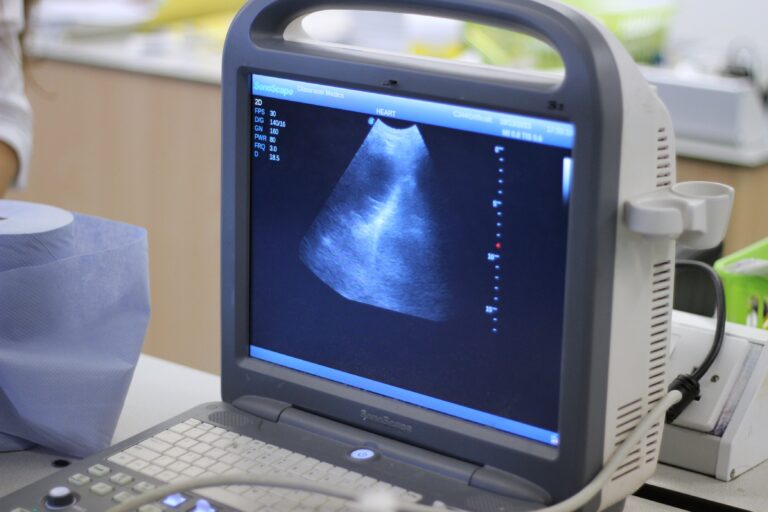
Advancements in imaging offer more detailed views of the heart’s structure and function. Technologies like 4D cardiac ultrasound provide real-time, three-dimensional images of the heart as it beats. This allows doctors to observe valve function and blood flow with greater precision. Such detailed imaging helps in identifying issues that might not be visible with older, two-dimensional methods.
Another area of progress is cardiac magnetic resonance imaging, or CMR. Newer CMR techniques can map heart tissue characteristics without the need for contrast agents, which can be beneficial for certain patients. These non-invasive methods help assess heart muscle damage and scarring. They provide valuable information for planning treatments and monitoring a patient’s condition over time.
Which Procedures Improve Outcomes?
Certain minimally invasive procedures are becoming more common in cardiology, offering alternatives to traditional open-heart surgery. These approaches often involve smaller incisions, resulting in shorter recovery times for patients. The goal is to address heart problems effectively while minimizing the physical impact on the body.
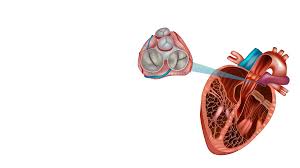
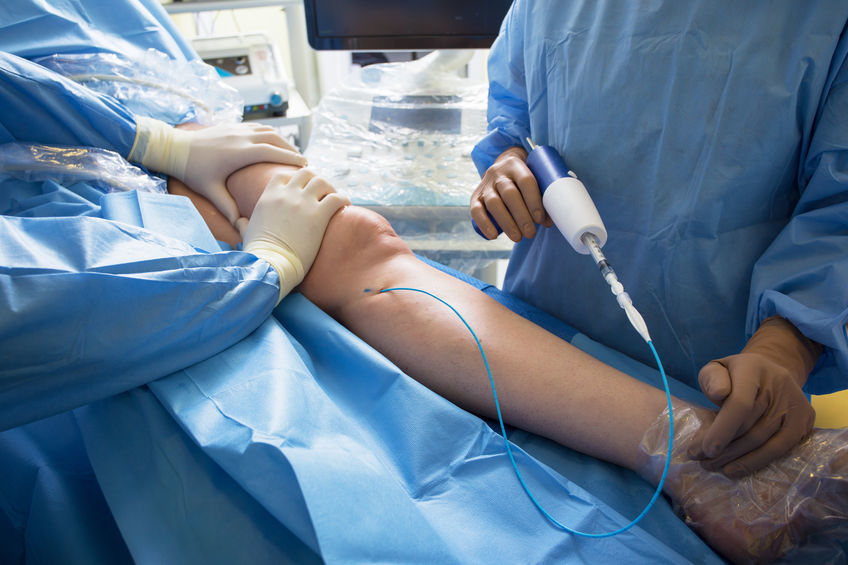
- Transcatheter Aortic Valve Replacement (TAVR): This procedure allows a new aortic valve to be inserted without removing the old, damaged valve. A catheter is used to guide the replacement valve into place, typically through a blood vessel in the leg or chest.
- Percutaneous Coronary Intervention (PCI): Also known as angioplasty, this procedure opens blocked or narrowed coronary arteries. A thin, flexible tube with a balloon at its tip is guided to the blockage. The balloon is then inflated to widen the artery, and a small mesh tube called a stent may be placed to keep the artery open.
These procedures represent a shift toward less invasive options in managing structural heart disease. They provide alternatives for patients who may be at higher risk for traditional surgery. Your care team can explain if one of these might be a suitable option for you.
Why Do Innovations Matter?
Innovations in cardiology matter because they expand the range of available treatment options. New technologies and procedures can provide solutions for complex heart conditions that were previously difficult to manage. This progress gives medical teams more tools to tailor care to an individual’s specific needs.
These advancements also contribute to a deeper understanding of cardiovascular health. As diagnostic tools become more sophisticated, doctors can detect problems earlier and with greater accuracy. Early detection can help manage conditions before they become more serious. Ongoing developments in the field support better patient outcomes and refine the standard of care.
Consult a Cardiology Specialist
Understanding your heart health is a collaborative process with a medical professional. The information presented here provides a general overview and is not a substitute for professional medical advice. A cardiology specialist can evaluate your personal health situation and discuss what approaches are right for you. Speaking with a qualified doctor will help you get accurate, personalized information and guidance regarding your cardiovascular care.